Supreme Court Demands Probe Report in Ram Mandir Donations Case

The Supreme Court on Monday directed the Uttar Pradesh government to file a status report on the ongoing investigation into alleged embezzlement of donations meant for the Ram Temple. A three-judge bench headed by Chief Justice of India Surya Kant also sought responses from the state and the Shri Ram Janmabhoomi Teerth Kshetra Trust on petitions demanding that the case be handed over to the Central Bureau of Investigation (CBI).
The court agreed to an oral request by Solicitor General Tushar Mehta, representing both the Union and Uttar Pradesh governments, not to issue formal judicial notice to them. Instead, the court confined formal notice to the Trust.
Mr. Mehta offered to submit a status report on the investigation in a sealed cover. He informed the bench that the state had already formed a Special Investigation Team (SIT) and that arrests had been made. The court directed that the report include details of the SIT's composition and be filed by July 20, the next hearing date.
The bench also asked petitioners to avoid making preliminary oral submissions, telling them to reserve their arguments for a later stage.
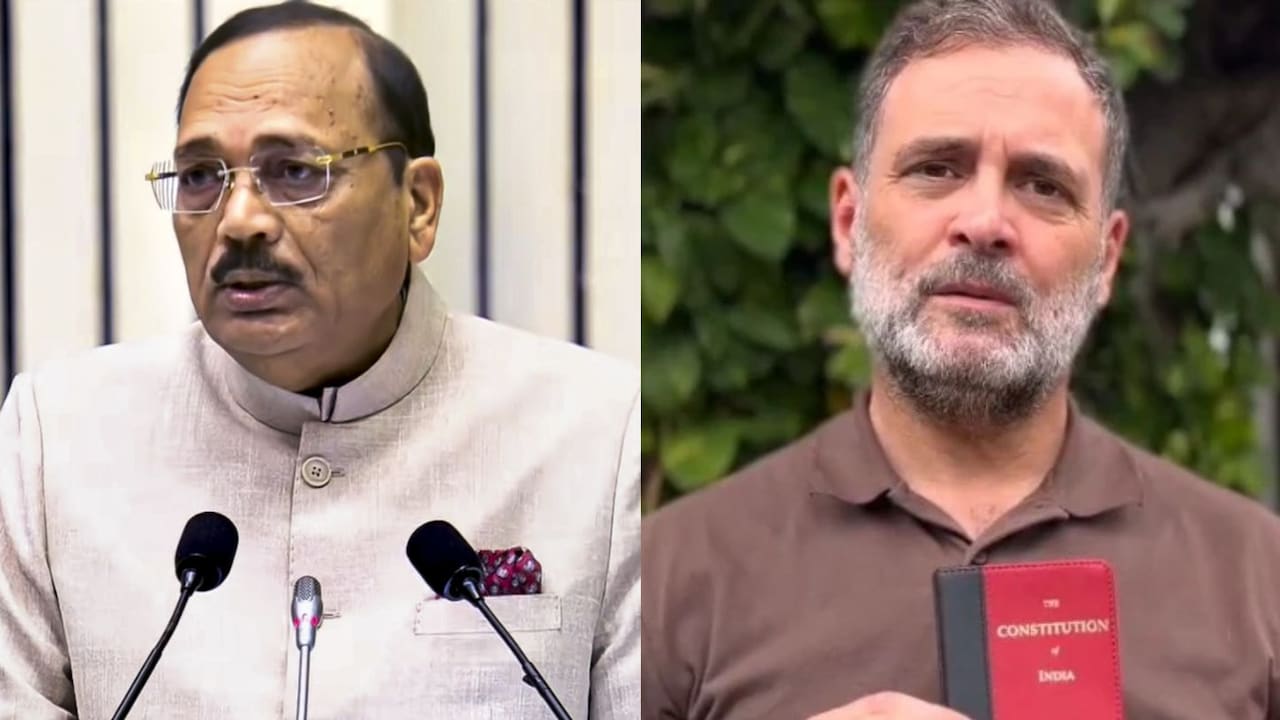
The court was hearing separate petitions filed by Rashtriya Janata Dal MP Sudhakar Singh and Supreme Court advocate N.K. Goswami. Singh's petition sought a CBI investigation and the disclosure of complete financial details of the Trust, including foreign contributions, cash donations, bank transfers, digital payments, gold, silver, and other valuables since its inception. Goswami's petition urged the court to protect electronic evidence, such as CCTV footage, which could be lost or tampered with.
Both petitions also called for the preservation of all records—physical, electronic, and digital—related to donations and offerings received by the Trust, to prevent destruction or alteration of evidence during the investigation.
In his petition, Singh argued that the case was of 'exceptional public importance' and that a fair, independent investigation was necessary to maintain public confidence in one of the country's most revered religious institutions.