Supreme Court Bans Retrospective Green Clearance, Upholds Environmental Rule of Law
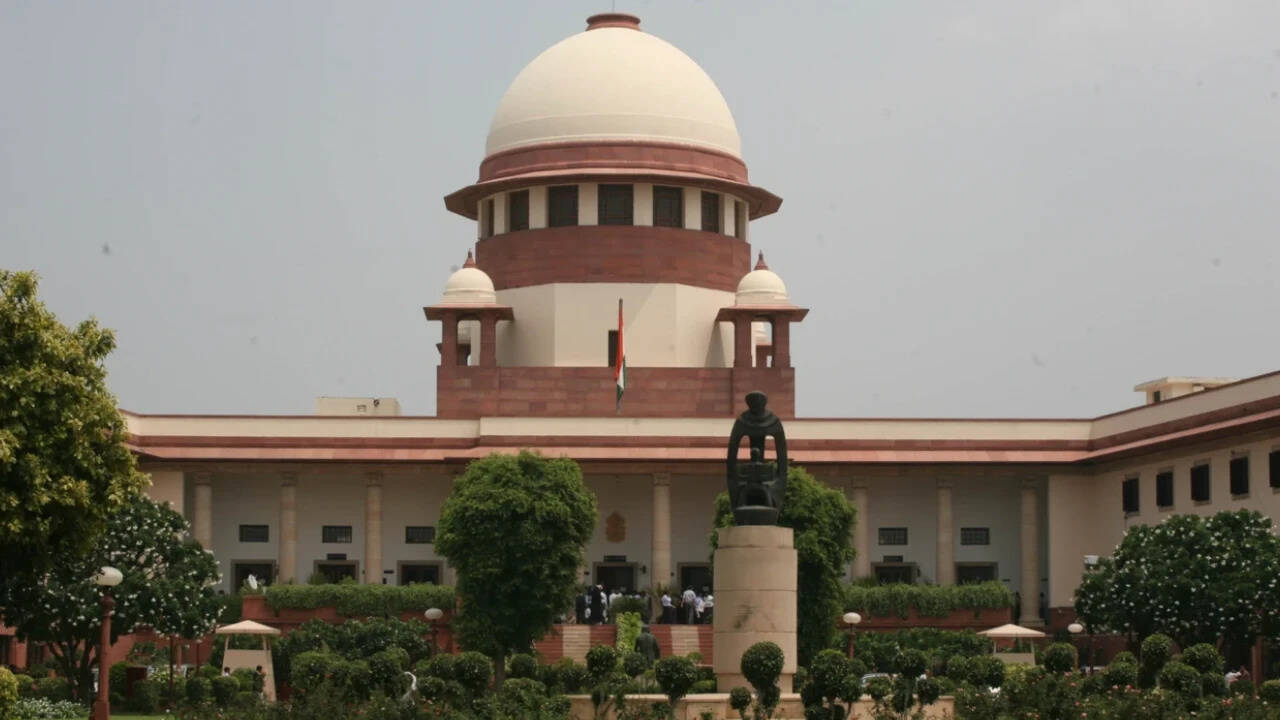
The Supreme Court of India has delivered a significant judgment that permanently prohibits the government from granting post-facto environmental clearances to projects. The court quashed a 2021 office memorandum that allowed such clearances indefinitely, reinforcing the mandatory requirement of prior environmental clearance under the 2006 notification.
The judgment protects projects worth Rs 20,000 crore from demolition by validating past clearances granted under earlier rules, as it will operate prospectively. However, the ruling makes it clear that no future project can circumvent the requirement of obtaining environmental clearance before starting construction.
The court emphasised that the 2006 notification mandates prior environmental clearance for all projects listed under its schedule. The 2021 memorandum had created a loophole by allowing projects to apply for clearance after they had already begun or completed construction. The Supreme Court found this to be a violation of the principle of environmental protection and the constitutional right to a healthy environment under Article 21.
Environmental activists and legal experts have welcomed the decision, calling it a landmark for environmental governance. They argue that post-facto clearances undermine the environmental impact assessment process, which is designed to prevent or mitigate damage before it occurs. The court's ruling reinforces the need for accountability and foresight in project planning.
The government has not yet issued an official response to the judgment. However, the Ministry of Environment, Forest and Climate Change is expected to align its policies with the court's directive. The judgment sets a strong precedent for future cases involving environmental compliance and the limits of executive discretion.
The Supreme Court's decision stays true to the constitutional values of environmental protection, rule of law, and the separation of powers. It ensures that the executive cannot dilute mandatory environmental safeguards through administrative memoranda. The court has upheld the integrity of the environmental clearance process, which is crucial for sustainable development in India.