Sri Lanka: Two Ex-Security Chiefs Sentenced to Death for 2019 Easter Bombings
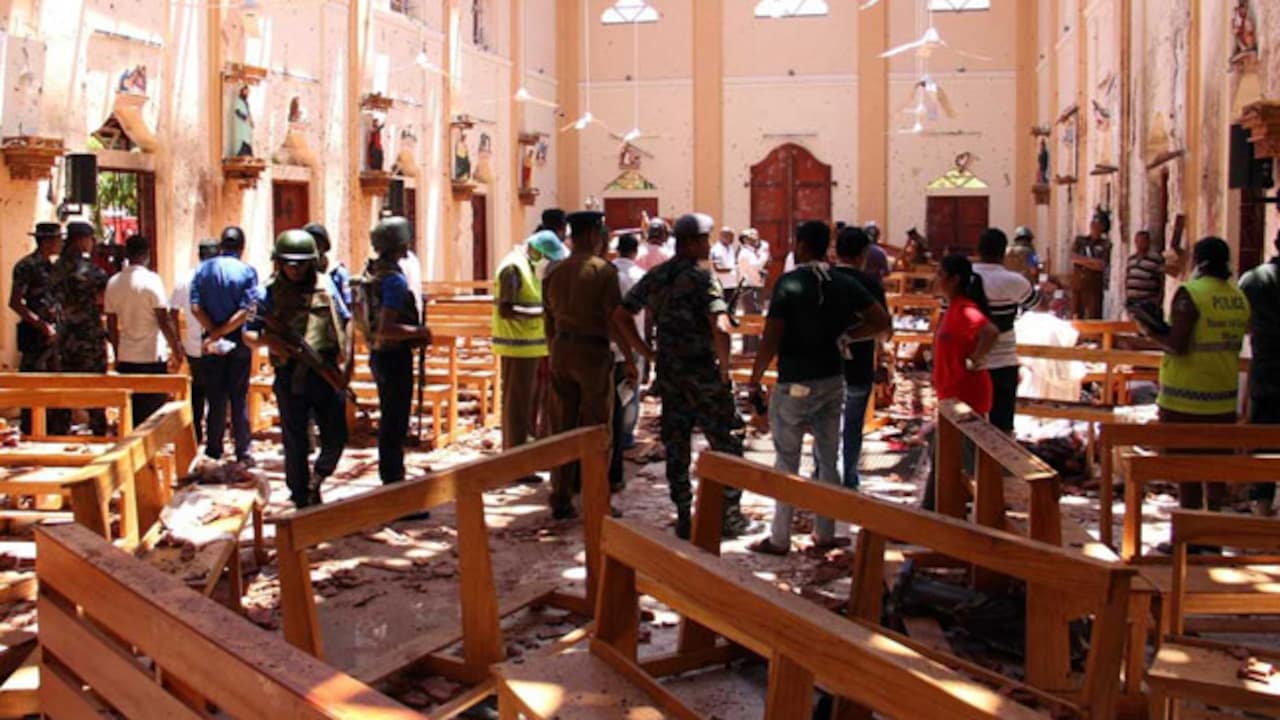
A special court in Sri Lanka on Friday sentenced two former top security officials to death for negligence over the 2019 Easter Sunday bombings, which killed 279 people, including 45 foreign nationals. The verdict, passed by a three-judge bench, was a majority decision.
Former police chief Pujith Jayasundara, 66, and former defence ministry secretary Hemasiri Fernando, 76, were held responsible for failing to prevent the coordinated attacks on three churches and three hotels on April 21, 2019. More than 500 people were also wounded in the blasts, which were attributed to a local Islamist extremist group.
The two officials were convicted of negligence leading to the deaths. They have the right to appeal against the sentence in the Supreme Court. Until then, they have been remanded to judicial custody. The court order came after the state appealed against a 2022 ruling that had acquitted them.
During the proceedings, the court was informed that an Indian intelligence agency had alerted Sri Lankan authorities on April 4, 2019, about a possible suicide attack by Islamist extremists. However, no adequate action was taken. The prosecution argued that the negligence of the two officials amounted to grave crimes against humanity.
Jayasundara and Fernando were initially arrested in 2019 and held for four months before being released on bail. In an earlier civil action, they were ordered to pay 125 million rupees (approximately $372,464) as compensation to survivors of the attacks.
Both men had testified to a parliamentary inquiry that then-president Maithripala Sirisena, who also held the defence and law and order portfolios, failed to follow established protocols in assessing national security threats ahead of the bombings. They alleged that Sirisena did not treat the warnings seriously.
Sri Lanka has maintained an unofficial moratorium on capital punishment since 1976, and no executions have been carried out since then. According to government figures shared with parliament in February, at least 800 people are currently on death row. Sentences of death are typically commuted to life imprisonment.
The judgment now moves to the Supreme Court for appeal, where the legal process will determine the final outcome. The case has been closely watched as a test of accountability for one of the deadliest attacks in Sri Lanka's recent history.