Speaker Om Birla Recognises Merger of Six Sena MPs, Strengthens Shinde Camp
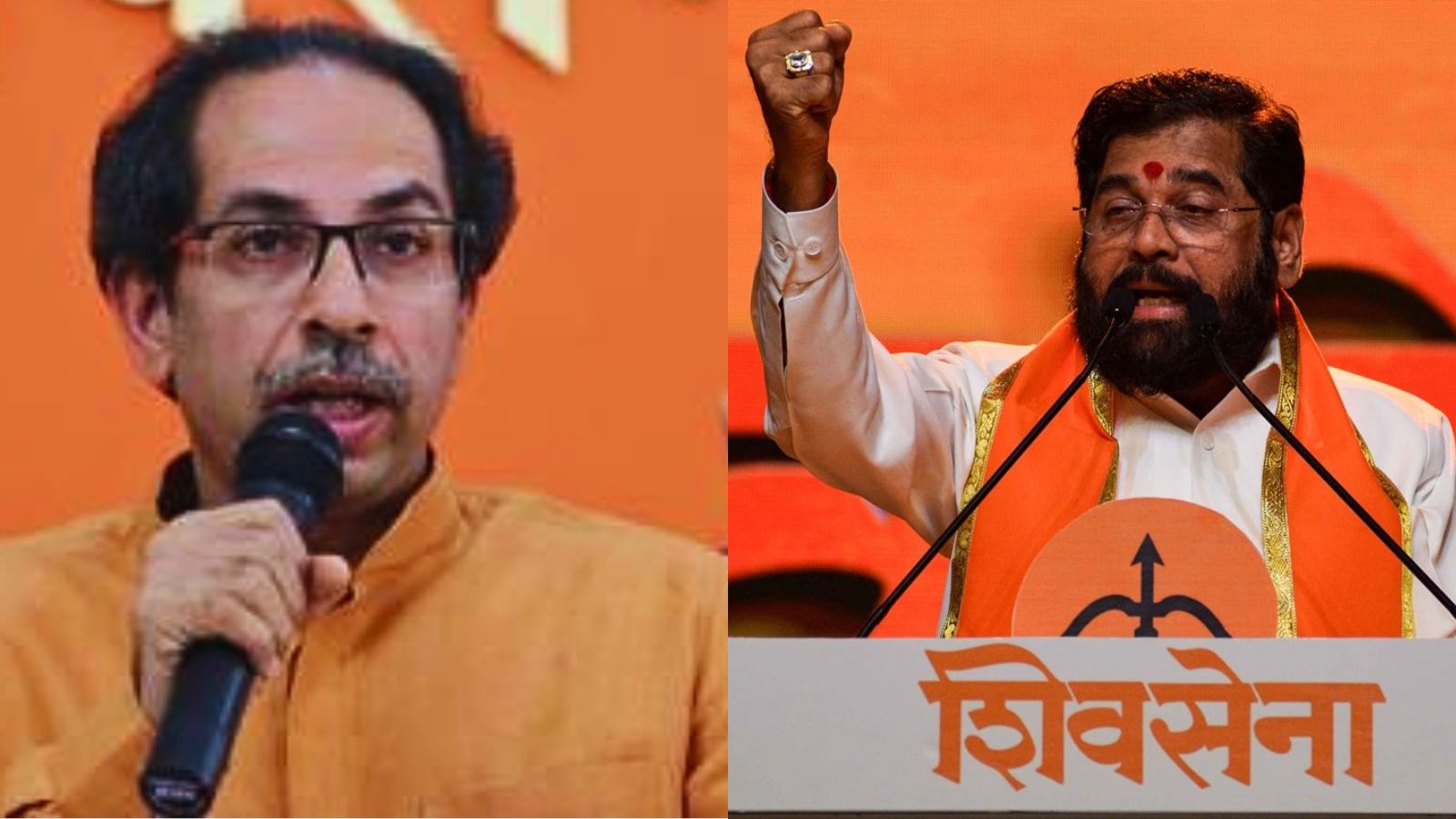
Lok Sabha Speaker Om Birla on June 18 recognised the merger of six MPs from the Shiv Sena (Uddhav Balasaheb Thackeray) faction with the Eknath Shinde-led Shiv Sena, a move that has altered the balance of power within the National Democratic Alliance (NDA). The merger, which took effect two days before the Monsoon Session of Parliament, increases the Shiv Sena's strength in the Lok Sabha from seven to 13 members, while reducing the UBT faction's tally to three.
The six MPs who joined the Shinde camp are Sanjay Jadhav, Sanjay Patil, Sanjay Deshmukh, Omraje Nimbalkar, Nagesh Patil Ashtikar and Bhausaheb Wakchaure. Their defection, which the Shinde-led party termed 'Operation Tiger', had occurred on June 22 last year, but the Speaker's formal recognition has now validated the merger under the anti-defection law.
With this recognition, the Shiv Sena becomes the NDA's third-largest constituent in the Lok Sabha, behind the Bharatiya Janata Party (BJP) with 240 MPs and the Telugu Desam Party (TDP) with 16. Within Maharashtra, the Shiv Sena's tally of 13 matches that of the Congress party, while the BJP has nine MPs from the state.
The decision strengthens the position of Eknath Shinde within the NDA, particularly after the 2024 Maharashtra Assembly election, where the BJP's sweeping victory reduced Shinde from Chief Minister to Deputy Chief Minister and established the BJP as the dominant force in the ruling Mahayuti alliance. Shiv Sena leaders have indicated that the increased parliamentary strength is aimed at enhancing the party's bargaining position, especially as the NDA also relies on support from 20 MPs of a faction that split from the Trinamool Congress, who have merged with the Nationalist Citizens Party of India but are yet to receive recognition from the Speaker.
The merger also reinforces the institutional recognition Shinde has acquired since he led a revolt against the undivided Shiv Sena in June 2022. Shinde served as Chief Minister for nearly two years, secured the Election Commission's recognition as the leader of the 'real Shiv Sena', retained the party's 'bow and arrow' symbol, and outperformed the UBT faction in the 2024 Assembly elections, winning 57 seats compared to the UBT's 20.
Political observers expect the Shiv Sena to now press for greater representation in the Union Cabinet, with party leaders likely to seek two ministerial berths. Kalyan MP Shrikant Shinde is seen as a leading contender. However, the increased strength has also created a 'problem of plenty', with at least one senior MP who recently joined the Shinde camp expected to stake a claim to a Cabinet berth. The party also expects a larger role in parliamentary committees and NDA coordination.
For the BJP, the Shiv Sena's enhanced numbers are seen as useful for pushing major legislation and potential constitutional amendments, including delimitation. However, party leaders have acknowledged the need to ensure that no single ally acquires disproportionate influence. To keep the Shiv Sena in check, the BJP has maintained communication channels with leaders from the Nationalist Congress Party (Sharad Pawar faction), which has eight Lok Sabha MPs. The BJP is also watching the NCP led by Sunetra Pawar, which has one MP.
The development underscores the fluid nature of coalition politics in India, where numerical strength directly influences political leverage. With the NDA government relying on a coalition of multiple parties, the recognition of this merger has set the stage for further realignments and negotiations ahead of possible cabinet expansions.


