Sonam Wangchuk's Hunger Strike Reaches Day 7; Fresh Appeal for Education Reform
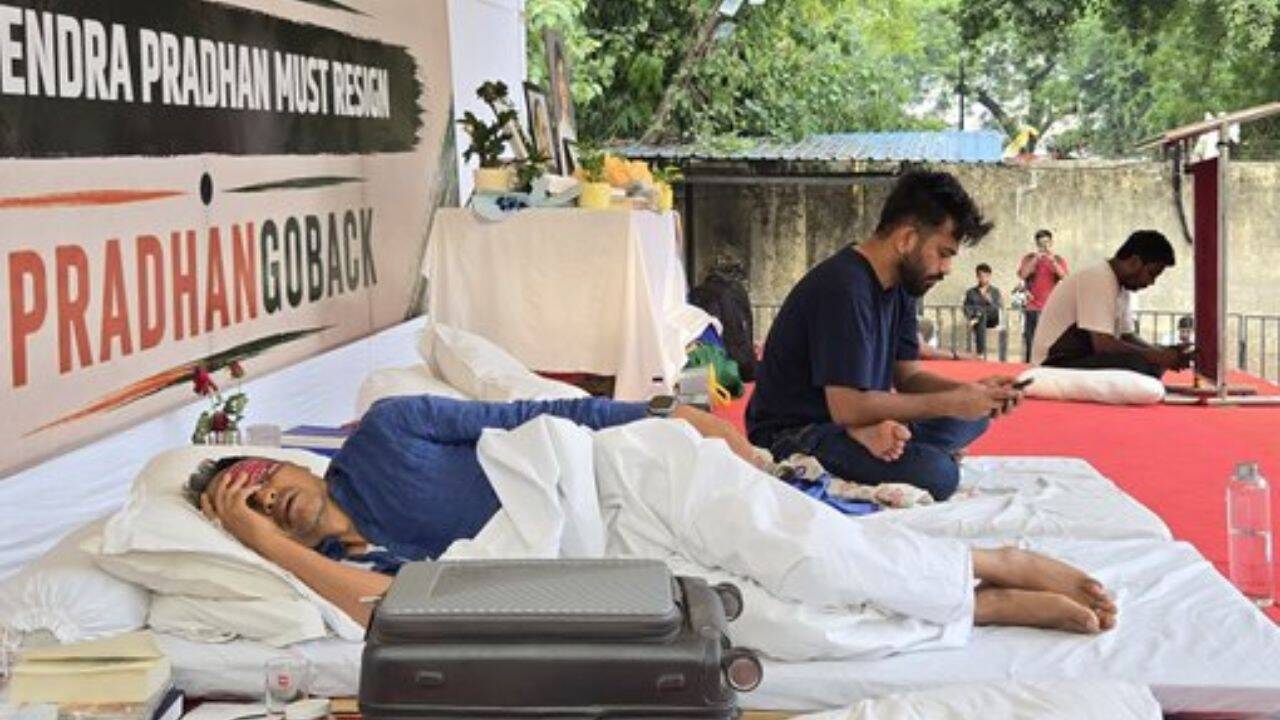
Ladakh-based education reform activist Sonam Wangchuk's indefinite hunger strike entered its seventh day on Thursday, with a renewed appeal to the central government for systemic changes in the education sector. Wangchuk, known for his innovative educational models in the remote Himalayan region, began the strike on March 18, demanding accountability and structural reforms in the education system.
The protest, which has drawn attention from civil society groups and political leaders, is focusing on the lack of quality education and limited opportunities for students in Ladakh and other rural areas. Wangchuk has been vocal about the need to shift from a rigid examination-focused system to one that fosters creativity, critical thinking, and practical skills.
In a statement released from the protest site in Leh, Wangchuk said, 'The government must take immediate steps to ensure accountability in education. Our children deserve a system that prepares them for the challenges of the 21st century, not one that perpetuates inequality and rote learning.'
Sources close to the activist indicate that his condition is stable, but there is growing concern among supporters about the prolonged fast. Medical teams are monitoring his health regularly. The protest has seen participation from local students, teachers, and parents who have been camping at the site in solidarity.
The Indian government has not yet issued an official response to Wangchuk's demands. However, officials from the Ministry of Education have reportedly been in touch with local administration to assess the situation. The demand for education reform has been a long-standing issue in Ladakh, where the literacy rate, while improving, still lags behind the national average.
Wangchuk's earlier initiatives, such as the Students' Educational and Cultural Movement of Ladakh (SECMOL), have been praised for their innovative approach to learning in challenging environments. He also gained international recognition for his work on the Ice Stupa project, which addresses water scarcity in the cold desert.
As the hunger strike continues, supporters have called on the government to initiate dialogue to resolve the impasse. The protest has also sparked discussions on social media about the broader state of education in India, with many netizens expressing support for Wangchuk's cause.
This is not the first time Wangchuk has resorted to a hunger strike to press for education reforms. Earlier in 2022, he had undertaken a similar protest that ended after the government agreed to look into the demands. The current strike suggests that the promised changes have not been fully implemented.







