Shiv Sena UBT MPs Meet Speaker, Seek Due Process on Party Recognition Amid Split Rumours
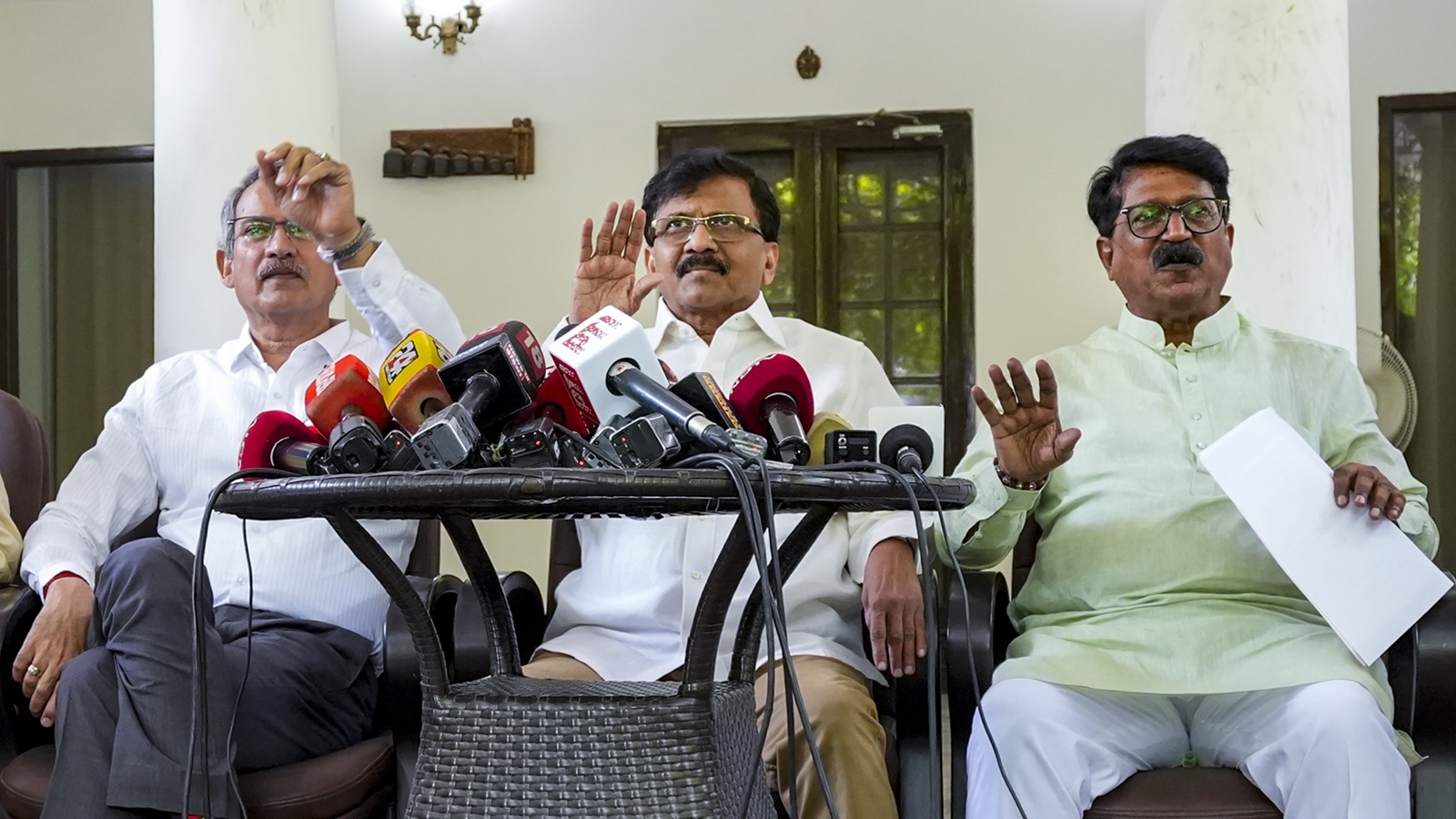
Members of Parliament from the Shiv Sena (Uddhav Balasaheb Thackeray) faction met Lok Sabha Speaker Om Birla on Wednesday, urging him not to recognise any breakaway group of their MPs without first hearing the party's position. The meeting, held in Delhi, was attended by Rajya Sabha MP Sanjay Raut and Lok Sabha MPs Arvind Sawant and Anil Desai. It took place amid persistent speculation about a possible split within the parliamentary party, with some leaders from the rival Eknath Shinde-led Shiv Sena claiming that several UBT MPs were in contact with their camp.
Arvind Sawant, the parliamentary party leader of the UBT faction, had written to the Speaker a day earlier, requesting that no separate group of its MPs be recognised if such a request were made. Following the meeting, Sanjay Raut told reporters, "We met Birla ji and told him that if anybody approaches him, he should first listen to us. It was a fruitful meeting. He assured us that nothing wrong or illegal will happen." The party also submitted a letter detailing its legal interpretation. Anil Desai explained, "We have given a letter to the Lok Sabha Speaker stating that if any group comes to him, he should first let us know. Only a political party can merge. There is no provision for a group to merge with any party."
The developments follow days of claims from Shinde faction leaders, who have referred to the overtures as part of "Operation Tiger." Maharashtra minister Bharat Gogawale and former MP Krupal Tumane have publicly stated that several UBT MPs are in touch with the Shinde camp and that a political realignment could be imminent. However, on Wednesday, Union Minister Prataprao Jadhav, a Shinde ally, denied the existence of any such operation. "There is no such thing as Operation Tiger. At present, there is no need for us to induct anybody. But if anyone wants to join us, how can we say no?" Jadhav said.
In response, the UBT faction has moved to consolidate its numbers. The party issued a whip requiring all its nine Lok Sabha MPs to be present at a parliamentary party meeting scheduled for Thursday in Delhi. On Sunday, Uddhav Thackeray had convened a meeting of all nine MPs at his residence, Matoshree, in Mumbai. While the party said all attended, only Arvind Sawant, Anil Desai, Rajabhau Waje, and Sanjay Dina Patil were physically present; the remaining MPs joined virtually or by phone, a format that is not unusual but has drawn attention in the current context.
The anti-defection law, enshrined in the Tenth Schedule of the Constitution, governs the recognition of parliamentary groups. The Speaker plays a pivotal role in determining whether a split constitutes a merger or defection, which can trigger disqualification. The UBT faction's leaders emphasised that their approach was to ensure due process. "We have full faith in the Speaker and the constitutional process," Raut added. The Speaker's office has not issued a public statement on the matter.
This is not the first time the Shiv Sena has faced a split. In 2022, Eknath Shinde led a rebellion that resulted in the recognition of his faction as the legitimate Shiv Sena by the Election Commission, which awarded them the party's original bow-and-arrow symbol. The Uddhav faction was later recognised as Shiv Sena (UBT) with a flaming torch symbol. The current speculation, if realised, could further weaken the UBT's parliamentary presence, which currently includes nine Lok Sabha and three Rajya Sabha members, while the Shinde faction holds 13 Lok Sabha seats.
Political analysts note that the Maharashtra political landscape has been turbulent since the 2022 split, with both factions engaging in legal battles and accusations of engineering defections. The Thursday meeting is expected to address the rumours and outline a strategy to maintain cohesion. Meanwhile, the Shinde camp's mixed signals—public claims by some and denials by others—add to the uncertainty. The situation remains fluid, and any development will hinge on the actions of individual MPs and the Speaker's eventual ruling.


