Sheikh Hasina breaks silence: 'My absence is not silence, I am with Bangladesh'
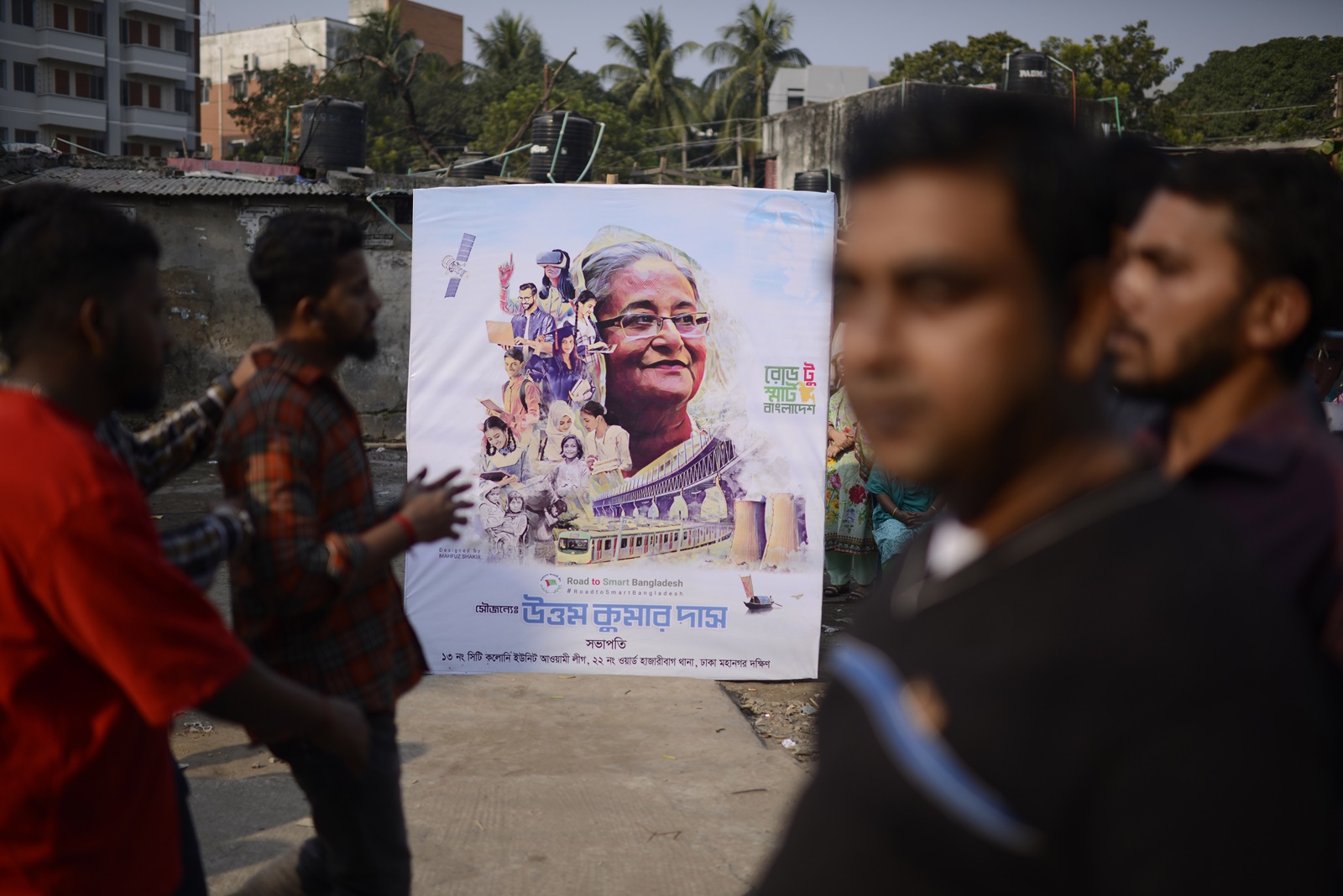
In a statement released on June 23, former Bangladesh Prime Minister Sheikh Hasina asserted that her absence from the country does not mean she has abandoned the people. The statement was issued on the 77th founding anniversary of the Awami League, the party she leads.
Hasina wrote: “June 23 is deeply intertwined with the long struggle of the Bengali nation to achieve its rights. On this day in 1949, the Bangladesh Awami League was founded through a struggle against exploitation and deprivation.” She described the party as “an emotion inseparable from the soil, people, history, and self-identity of Bengal.”
The former prime minister linked the Awami League to key milestones in Bangladesh’s history, including the 1952 Language Movement, the 1966 six-point movement, the 1971 Liberation War, and the establishment of an independent Bangladesh. She credited her father, founding leader Sheikh Mujibur Rahman, with leading the nation to independence and naming the country.
Hasina also addressed her time in power, stating that under Awami League rule, Bangladesh achieved food self-sufficiency, expanded electrification, built major infrastructure such as the Padma Bridge and Metrorail, and improved social indicators. She claimed the country was freed from terrorism and militancy and gained global recognition.
However, Hasina expressed concern over the current political situation in Bangladesh. She alleged that an “unelected and unconstitutional interim government” led by Muhammad Yunus, followed by a government formed through a “stage-managed election” on February 12, has led to repression, including mob violence, fabricated cases, and abuse of the judiciary. She stated that the Awami League was kept away from the election and that the result does not reflect the people’s mandate.
It remains unclear whether the election Hasina referred to was actually held on February 12, as reported, or if it was part of a process that has been widely disputed. Political analysts note that the current government has denied these allegations and maintains that it came to power through a legitimate electoral process.
The statement from Hasina comes as she remains outside Bangladesh following the change in government. Her absence has raised questions about her future political role. In her message, she declared: “My absence is not silence. Even though I am away, I am with the people of Bangladesh.”
She concluded by reaffirming her commitment to the ideals of the Awami League and the struggle for democracy and justice in Bangladesh. The full implications of her statement for the country’s political landscape remain to be seen.