Shamli Woman and Father Arrested Under UP Anti-Conversion Law After Husband's Namaz Video Goes Viral
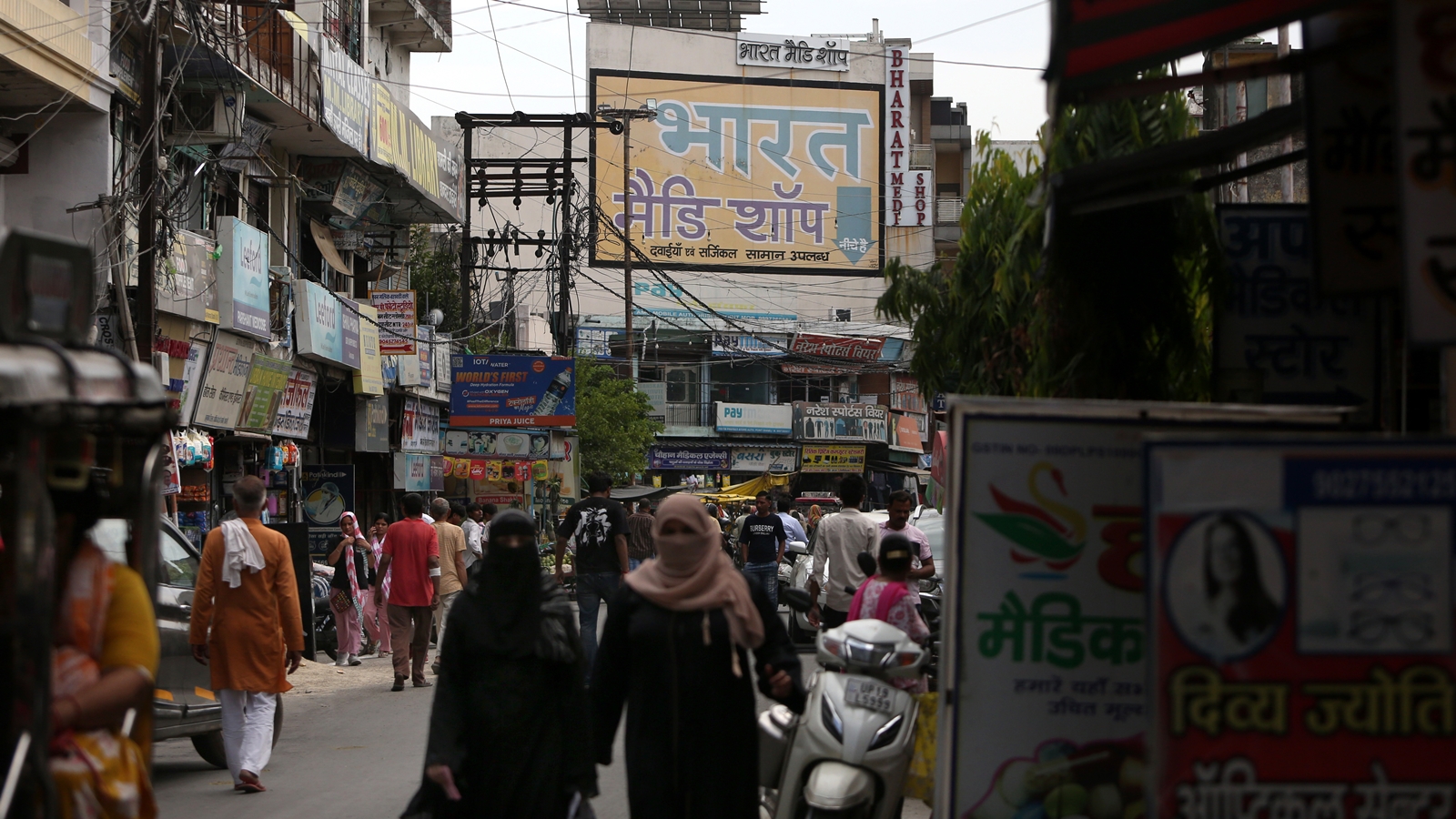
In Shamli town of western Uttar Pradesh, a young Muslim woman, Chandni Qureshi, and her father, Islam Qureshi, were arrested last month under the state's strict new law against religious conversion. They face charges of extortion, criminal intimidation, and unlawful conversion. The case highlights the deepening socio-religious divide in the region, where similar allegations have led to multiple arrests in recent months.
The controversy began in early June when a video clip circulated widely on social media. It showed Ayush Malik, 31, the son of a prominent local businessman, offering Eid prayers at a mosque in Delhi. Hindu right-wing groups flagged the video as evidence of alleged forced conversion. Ayush soon disclosed that he had converted to Islam nearly a decade ago, had adopted the name Rahim, and married Chandni in 2022. However, police did not accept his public statements and proceeded to arrest Chandni and her father.
Ayush's father, Devender Malik, owner of the Bharat Medicos chain of pharmacies and chairman of the local medical traders' association, filed a complaint on June 6, alleging that his son had been “brainwashed” by Chandni. He claimed that Chandni forced Ayush to convert and even attempted to convert other family members. Despite admitting that he knew his son was in a relationship with Chandni for five years, Devender insisted he was unaware of the marriage or conversion until the video surfaced.
In a statement to media, Ayush refuted his father's claims. 'There was no pressure on me. I was always interested in Islam as a child. I converted around 2007, years before meeting Chandini,' he said. He added that he had chosen to live separately from his father since 2022. Police, however, have not withdrawn the charges against Chandni and her father.
The case is one of several in Uttar Pradesh involving allegations of unlawful religious conversion under the law enacted by the state government in 2021. Critics argue the law is often used to target interfaith couples and minority communities. The investigation is ongoing, and the accused remain in judicial custody.