Sena UBT's Sanjay Raut defends use of profanity at press conference amid defection row
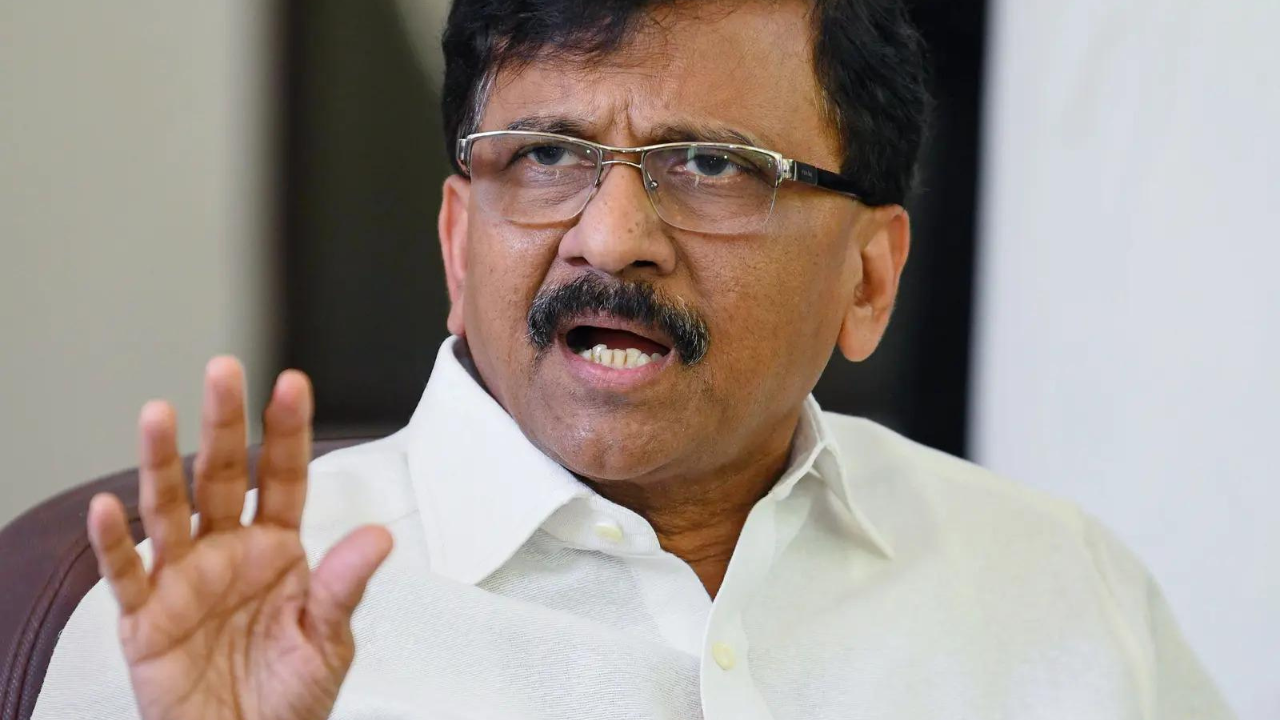
New Delhi: In a press conference on Wednesday, Shiv Sena (UBT) leader and Rajya Sabha MP Sanjay Raut used profane language while referring to party members he suspects of planning to defect, triggering a debate on the descent of political discourse. When questioned by reporters about his choice of words, Raut remained unapologetic, stating that such language is commonly used in Maharashtra and that as the editor of Saamana, he is well aware of linguistic nuances.
The incident occurred against the backdrop of reports that six to seven of the party's nine Lok Sabha MPs were preparing to switch allegiance to the faction led by Maharashtra Chief Minister Eknath Shinde. Raut labelled the suspected rebels "cowardly foxes" and mocked their travel to Delhi on a chartered plane. However, he insistently maintained that no defection was taking place and accused the media of painting a "wrong picture," asserting that all 11 MPs, including two Rajya Sabha members, were "100 percent" with Uddhav Thackeray.
Earlier, Raut had alleged that each MP was offered Rs 15 crore to defect. On Wednesday, he escalated the claim, accusing the Shinde faction of promising Rs 50 crore per defector with an advance payment of Rs 15 crore. He also alleged that Dharashiv MP Omraje Nimbalkar was offered a favourable judgment in his father's murder case in exchange for switching sides. These claims have not been independently verified.
Along with fellow Sena (UBT) MPs Arvind Sawant and Anil Desai, Raut met Lok Sabha Speaker Om Birla and submitted a letter arguing that a breakaway group cannot merge with another party under the anti-defection law. The letter invoked the ongoing legal battle in the Supreme Court over the "real Shiv Sena." The Speaker assured them that due process and parliamentary rules would be followed.
The letter submitted to Speaker Birla argued that any attempt by the rebels to form a separate group would violate the anti-defection law, which mandates disqualification for voluntarily giving up party membership. The Thackeray faction contends that since the Supreme Court is yet to decide who controls the original party, any recognition of a separate group would be premature and illegal.
Meanwhile, the suspected rebels remained in the national capital and are expected to seek recognition as a separate group aligned with the Shinde-led Sena. Maharashtra Minister Uday Samant indicated that leaders from Sena (UBT) would cross over "in phases," hinting at more defections in the coming days.
The use of profanity in public life has been increasingly normalised in India, with abusive language featuring regularly in stand-up comedy, films, and social media. A 2019 Amnesty International study found that one in seven tweets directed at women politicians in India was either "problematic or abusive." Political analysts note that while coarse language once remained confined to private or informal settings, it now appears even in official press briefings, raising concerns about the coarsening of democratic discourse.
The Shiv Sena split in June 2022, when Eknath Shinde broke away with a majority of MLAs and formed a government with the BJP, stunned the Uddhav Thackeray-led faction. Since then, both sides have claimed to be the original party, with the matter sub judice in the Supreme Court. The Thackeray faction has been struggling to retain its parliamentary presence, with several MPs expressing discomfort with its alliance with the Congress and NCP.
Raut, known for his sharp and often controversial remarks, defended his language by pointing to regional usage, but critics argue that public representatives should maintain decorum. Political opponents from the BJP and Shinde Sena condemned the outburst, calling it a new low in political conduct. The incident has sparked a debate on social media and among political commentators about the decline in standards of public speech.


