SC stays HC order, allows Tamil Nadu to offer jobs to Karur stampede victims' kin
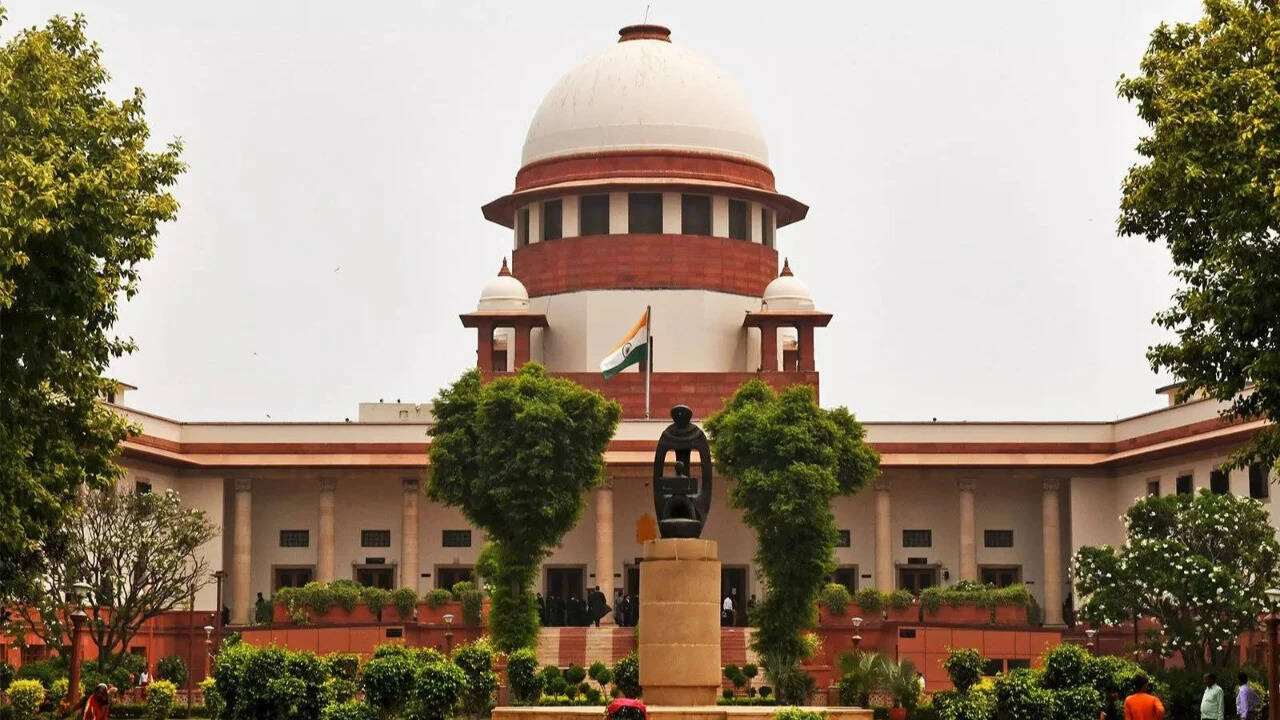
The Supreme Court on Friday cleared the way for the Tamil Nadu government to grant jobs to family members of those who died in the Karur stampede last year. A bench of the court stayed the Madras High Court's verdict that had quashed the state government's decision, and agreed to hear the appeal filed against it.
During the hearing, the bench reportedly observed that there was nothing wrong if a government provided succour to the family of a deceased person. The court issued notice on the state government's plea and stayed the High Court's order, allowing the compassionate appointments to proceed for now.
The Madras High Court had earlier struck down the Tamil Nadu government's decision, saying that if compassionate appointment was permitted in the present case, it would open the floodgates for various others to seek such employment. The state government challenged this reasoning, arguing that the decision was a legitimate measure of welfare and support for families who lost their breadwinners in a tragic incident.
Compassionate appointment is an exception to the general rule of public employment, typically provided to dependents of government employees who die in harness. However, in this case, the victims were not government employees but civilians who died in a stampede, which made the High Court view the state's move as beyond its policy framework.
The stampede occurred during a government event in Karur district, resulting in multiple deaths. Following the incident, the Tamil Nadu government announced ex gratia payments and, in a subsequent decision, offered jobs to the next of kin of the deceased. This decision was challenged before the Madras High Court, which set it aside, prompting the state to approach the Supreme Court.
The Supreme Court's interim stay means the state government can now proceed with the appointment process, though the final outcome will depend on the outcome of the appeal. The court has sought responses from the parties who had opposed the state's decision, and the matter is expected to be heard in detail in the coming months.
Legal experts note that the Supreme Court's observation reflects a broader judicial view that governments should be allowed to extend welfare measures to victims of tragedy, unless such measures clearly violate statutory provisions or constitutional principles. The case also highlights the balance between executive discretion and judicial oversight in matters of public policy.
The families of the victims have welcomed the Supreme Court's interim order, hoping that it will provide them much-needed financial stability. The state government has not yet issued an official statement on the timeline for implementing the appointments, but officials indicate that the process will be initiated in accordance with the court's direction.
The final hearing of the appeal will determine whether the High Court's concerns about opening floodgates are valid, or whether the state's compassionate approach in exceptional circumstances can be sustained. Until then, the stay allows the families to receive the promised jobs, bringing them a measure of relief after the tragedy.







