SC Notice to Centre Over Central Vista Library: Where Will 2 Lakh Books Go?
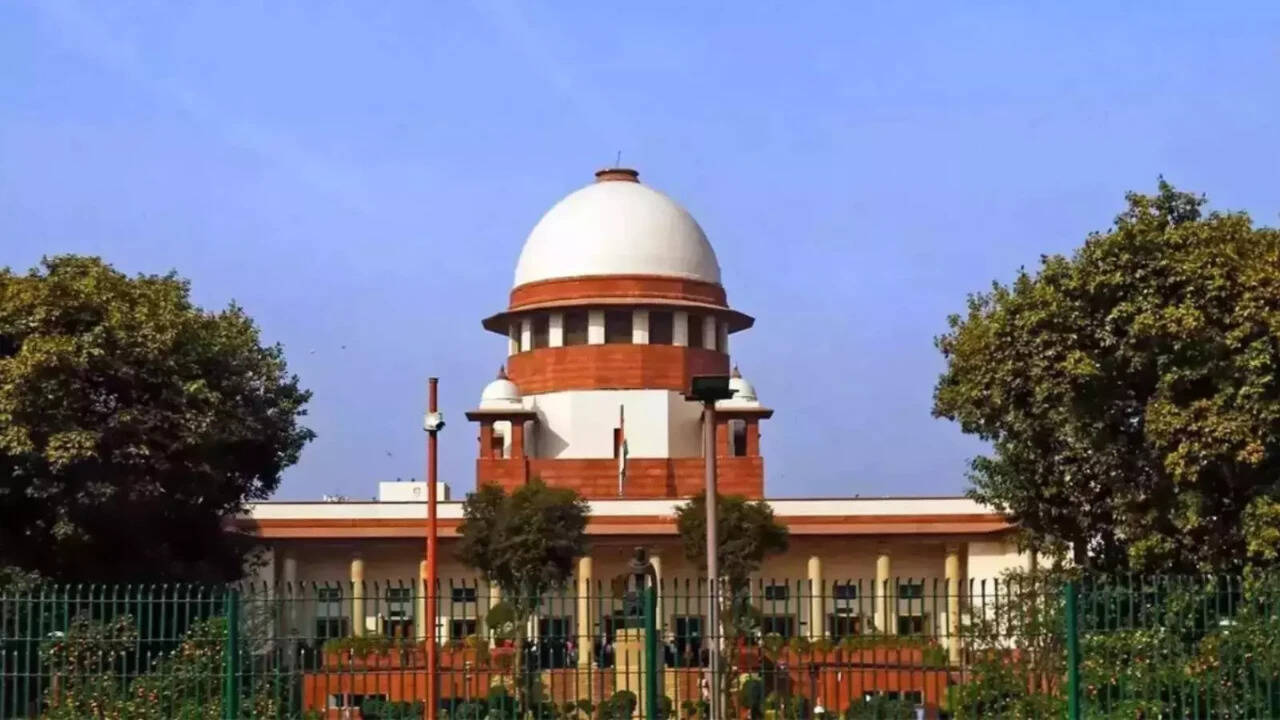
The Supreme Court has issued a notice to the Centre over the Central Vista library plan and sought a reply within three weeks. The court has asked the government to submit a comprehensive report on library facilities, with particular attention to the designated space for the existing book collection under the Central Vista project.
The matter concerns around two lakh books that have been stored without being unpacked since 2011. This situation has raised concerns among court officials, according to the information available. The Supreme Court's notice indicates that it wants a clear account of how and where these books will be housed as the Central Vista redevelopment moves forward.
The Central Vista project is a large-scale redevelopment of India's central administrative area in New Delhi. It includes a new Parliament building, a common Central Secretariat, and other facilities. The project has been the subject of public debate and earlier litigation. The library component is one part of this broader plan, and the court's inquiry focuses on whether the existing collection has a secure and suitable place in the new layout.
A notice is not a final judgment on the merits of the matter. It is a step that requires the government to provide information and explain its position. By seeking a comprehensive report, the court appears to be examining whether the planning for the library and its collections has been adequate. The three-week timeline gives the Centre an opportunity to place the relevant facts before the court.
The books in question have remained packed for more than a decade. For any library, the preservation of books is essential. Books can be damaged by dust, moisture, pests, and poor storage conditions. When a collection remains unopened for years, questions arise about its condition and accessibility. The court's inquiry focuses on whether the collection has been protected and whether there is a clear plan for its future use.
Libraries are important public institutions. They support education, research, and cultural memory. A national capital's central administrative district often houses significant collections that serve government departments, scholars, and the public. The Central Vista project aims to modernise the area, but modernisation also requires careful handling of existing assets. The court's notice reflects the need to balance redevelopment with the preservation of institutional resources.
The Centre is expected to submit its reply within the time allowed by the court. Once the reply is received, the court will consider the next steps. The case is being watched because it touches on both urban planning and the stewardship of a large book collection.
Public scrutiny of large infrastructure projects is a normal part of a democratic process. Courts often examine whether administrative decisions follow proper procedures and protect public interests. In this instance, the Supreme Court has chosen to seek specific information about library facilities and the space allocated for the books. The court's order does not prejudge the outcome; it seeks to ensure that the relevant facts are brought on record.
The Central Vista project has been discussed in Parliament, in the media, and in public forums. Supporters see it as necessary for efficient governance and modern facilities. Critics have raised questions about cost, heritage, and environmental impact. The library issue adds another dimension: the care of an existing collection that has been stored for years. The court's involvement suggests that it wants to ensure that this dimension is not overlooked.
For now, the key development is the notice and the three-week deadline. The Centre's reply will be important in clarifying the plan for the books and the library. The Supreme Court's scrutiny will continue as the case proceeds. The outcome will be followed by those interested in the Central Vista project, library professionals, and citizens concerned with the preservation of public resources.







