Saudi East-West Pipeline to Stay Largely Offline for Weeks After Attack, Officials Say

A key Saudi Arabian oil pipeline struck in an attack last week will remain largely out of service for several weeks while repairs are carried out, two regional officials told The Associated Press.
The East-West Pipeline runs about 1,200 kilometres across the kingdom and can carry up to 7 million barrels of oil a day. It is central to Saudi Arabia's strategy of moving its oil exports to the Red Sea, allowing shipments to bypass the Strait of Hormuz, the narrow Gulf waterway where attacks on shipping have disrupted traffic in recent years.
According to the officials, who said they had been briefed on the matter, repairing the damage could take three to five weeks, including work at a major pumping facility along the line. One official said the pipeline may be able to operate partially while repair teams work.
The officials spoke on condition of anonymity, saying they were not authorised to brief journalists.
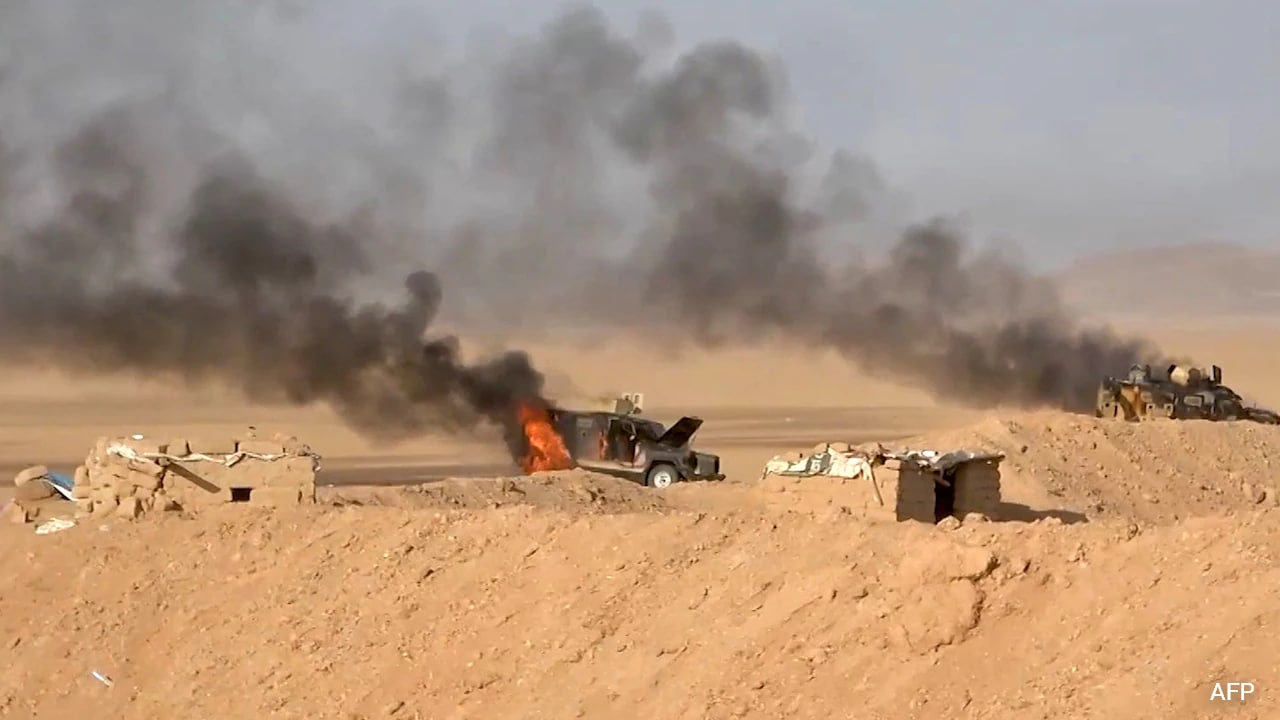
Saudi Arabia has said the pipeline was hit on Thursday, September 10, 2026, and blamed drones launched by Iranian-backed militias in Iraq. The AP said it could not independently verify the attribution. There was no immediate public claim of responsibility, and Iranian officials had not responded to the allegation at the time of writing. Readers should note that responsibility for such attacks is often disputed, and that assessments of this kind are typically based on intelligence that is not made public.
Aramco, the state oil company that operates the pipeline, did not immediately respond to a request for comment. The government-run Centre for International Communication, which oversees foreign media in the kingdom, said it was looking into an AP inquiry about how long repairs will take.
Several important questions remain unanswered. It is not yet clear how badly the pipeline and the pumping facility were damaged, whether the outage has reduced Saudi Arabia's overall export volumes, or whether the kingdom can compensate by routing some crude through other facilities. Saudi Arabia has in the past drawn on storage and alternative routes to cushion the effect of disruptions, but the extent of any such measures this time has not been disclosed.
The East-West Pipeline was built in the 1980s, during the Iran-Iraq war, precisely so that Saudi crude could reach international markets without passing through the Strait of Hormuz. A large share of the world's oil trade normally moves through that strait, which is why any interruption to the pipeline attracts close attention from energy markets and importing countries, including India, which relies heavily on Gulf crude.
The kingdom has previously suffered attacks on its energy infrastructure. In 2019, strikes on facilities at Abqaiq and Khurais temporarily knocked out roughly half of Saudi Arabia's crude output. Those attacks were also initially attributed to Iran and its allies, and Tehran denied involvement.
For now, the practical effect of the latest damage will depend on how quickly repairs proceed and how much of the line can keep running in the meantime. Officials have not given a firm date for full restoration, and Aramco has not published an assessment of its own. Until verified details emerge, the scale of the disruption to global oil supply remains uncertain.