Satya Nadella Joins AI Slowdown Debate, Says Human Control Non-Negotiable
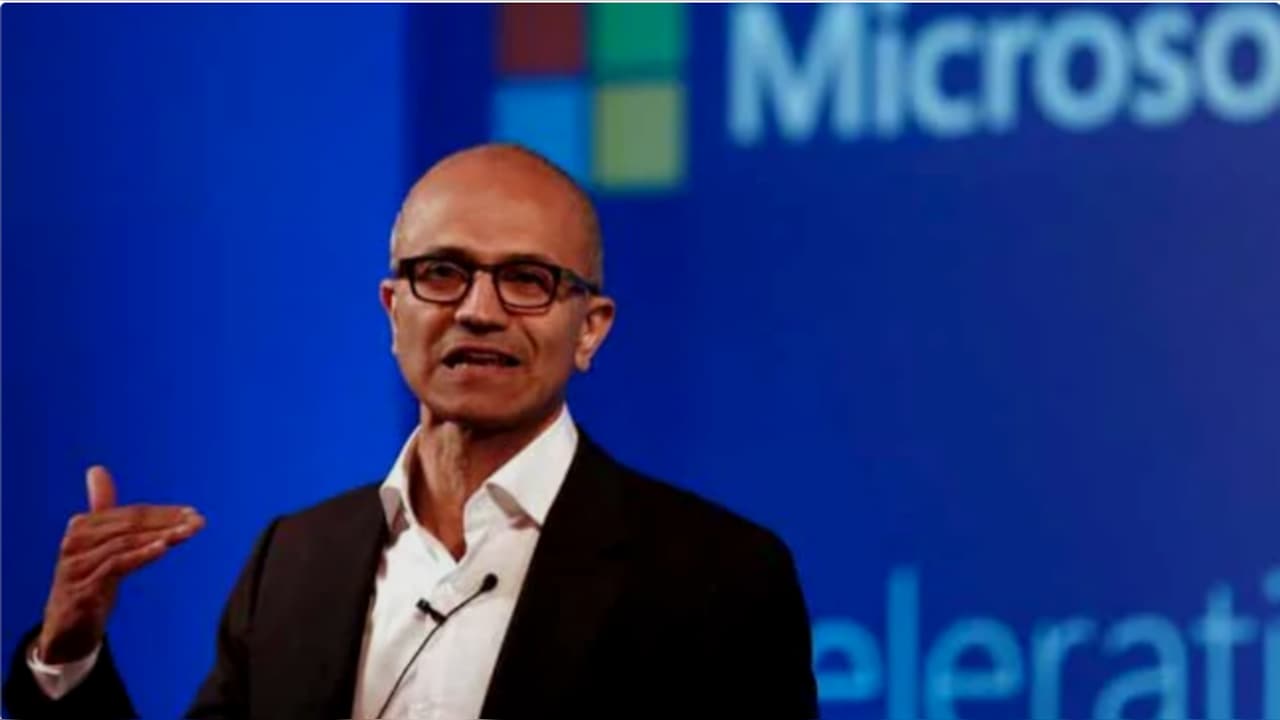
Microsoft CEO Satya Nadella has entered the ongoing debate about slowing down artificial intelligence (AI) development, joining other industry leaders who have called for greater caution. In a post on X, Nadella said that the pursuit of superintelligence should be guided by a simple principle: "if the AI we build is not helping humanity and under human control, it's not worth pursuing."
His comments come after Anthropic CEO Dario Amodei warned that AI development was moving too quickly and proposed slowing the pace of capability improvements. Amodei also suggested giving independent third-party evaluators employee-like access to AI labs to assess whether safety measures are actually being followed. His stance was backed by Elon Musk and OpenAI CEO Sam Altman, who said OpenAI would also adopt independent evaluators. The agreement among these typically competitive leaders underscores the seriousness of the concerns.
Nadella's emphasis, however, is slightly different. He is not calling for a halt to the AI race. Instead, he advocates for deliberate pacing to ensure that safety mechanisms are properly aligned with human values. He welcomed proposals for embedded evaluators that could monitor AI systems and help turn safety principles into enforceable practices. "Deliberate pacing is needed to get alignment right," he said.
Beyond safety, Nadella raised concerns about the concentration of AI control. "The key is that this cannot be controlled by a handful of entities," he said, arguing for wider representation across countries, industries, and academia. He also stressed the importance of allowing both closed and open-source AI models to develop, so that businesses and users are not permanently dependent on a small group of providers. This, he believes, will foster a more vibrant and secure AI ecosystem.
Nadella has previously warned that businesses can end up paying for AI twice: once for access to the technology, and again by handing over valuable internal knowledge through prompts, corrections, and workflows. Over time, this information can become a competitive asset. His solution is for organisations to own their "learning loop" and retain control over the knowledge and model systems they build around AI. He reiterated that organisations should be able to embed their own knowledge into AI models and control the model weights they use. The aim is to ensure that companies can benefit from AI without becoming locked into one provider.
Microsoft plans to publish a Code of Conduct for its first-party MAI models for public consultation, Nadella said. This move comes as the AI industry faces growing pressure to demonstrate that safety commitments are more than voluntary statements. It also reflects a broader push for transparency and accountability in AI development.
The debate has also been fueled by concerns from some researchers. Last week, Jacob Coxon, a researcher who resigned from Anthropic, wrote on social media that "the people building AI earnestly believe that it could kill us all by the end of the decade." Evan Hubinger, Alignment Science Lead at Anthropic, responded that Coxon was correct in reflecting a genuine belief among some in the field. These comments underscore the deep unease that exists even within leading AI companies about the potential risks of the technology.
As AI systems become increasingly capable, the calls for slowing down and ensuring human oversight are likely to grow louder. Nadella's intervention adds a significant voice to that conversation, balancing the need for innovation with the imperative of safety and broad participation. The coming months will reveal whether these calls translate into concrete action across the industry.