Sarnath joins UNESCO World Heritage List after 28-year wait, becomes India's 45th site
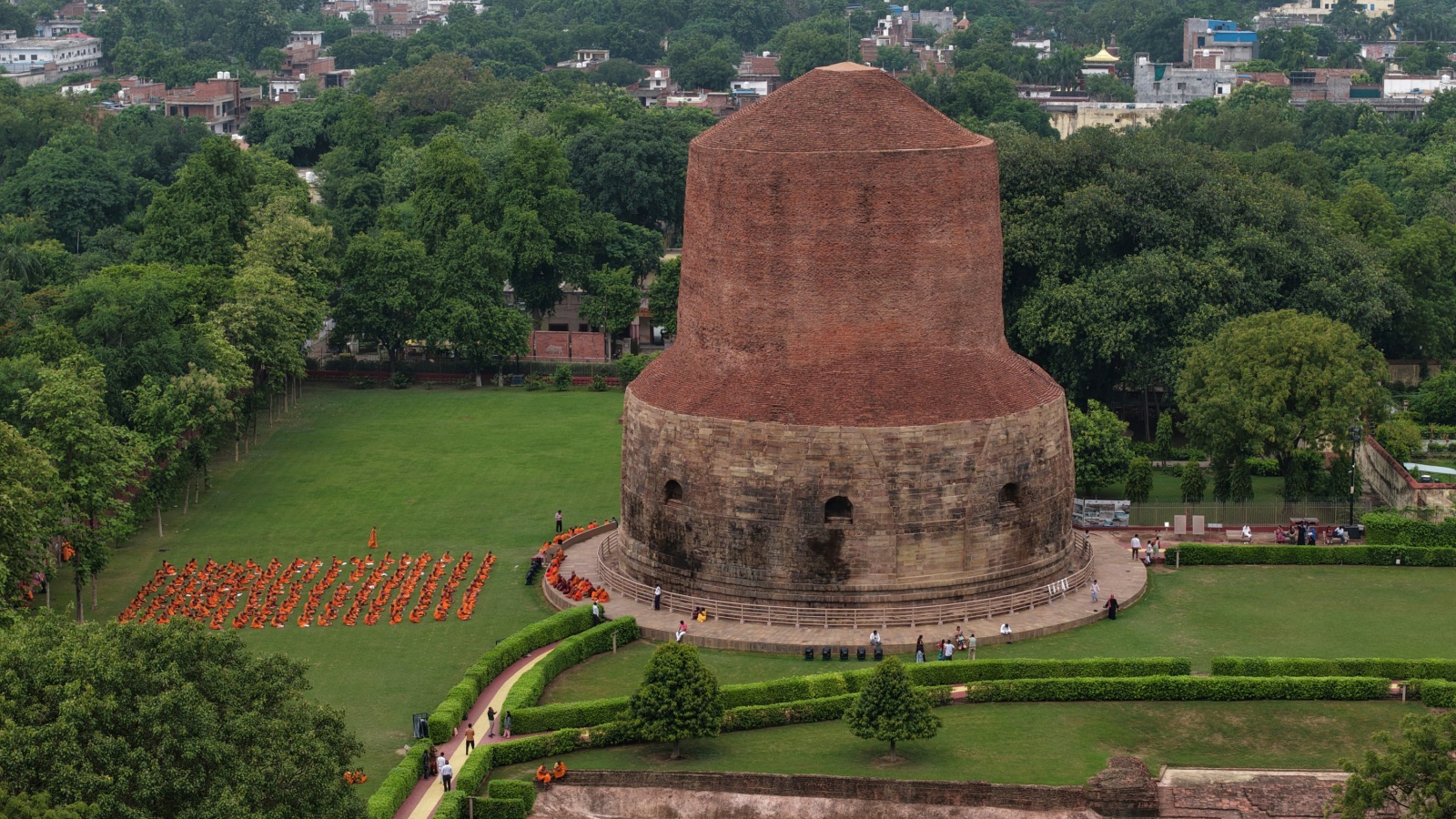
Sarnath, the ancient Buddhist site where Lord Buddha is believed to have delivered his first sermon after attaining enlightenment, has been inscribed on UNESCO’s World Heritage List. The announcement was made on Saturday during the 48th session of the UNESCO World Heritage Committee in Busan, South Korea.
With this designation, Sarnath becomes India’s 45th and Uttar Pradesh’s fourth World Heritage Site. The state’s other three sites—the Taj Mahal, Agra Fort, and Fatehpur Sikri—are all located in the Agra region.
The site had been on UNESCO’s tentative list since July 3, 1998. The official recognition comes 28 years after its initial nomination. According to the Uttar Pradesh Tourism Department, the inscription is expected to strengthen the state’s Buddhist Circuit, boosting international tourism and cultural heritage visibility.
Sarnath holds profound religious significance for Buddhists worldwide. It is one of the four major pilgrimage sites associated with the life of Gautama Buddha. The site contains numerous stupas, monasteries, and the iconic Ashoka Pillar, which features the lion capital that serves as India’s national emblem.
The UNESCO designation follows a rigorous evaluation process, including assessments of the site’s outstanding universal value, authenticity, integrity, and management plans. India has been actively promoting its Buddhist heritage, with Sarnath being a key destination along the circuit that also includes Bodh Gaya, Kushinagar, and Lumbini in Nepal.