Sansad Chalo March Begins as Sonam Wangchuk’s Fast Nears 22 Days; Government Opens Talks
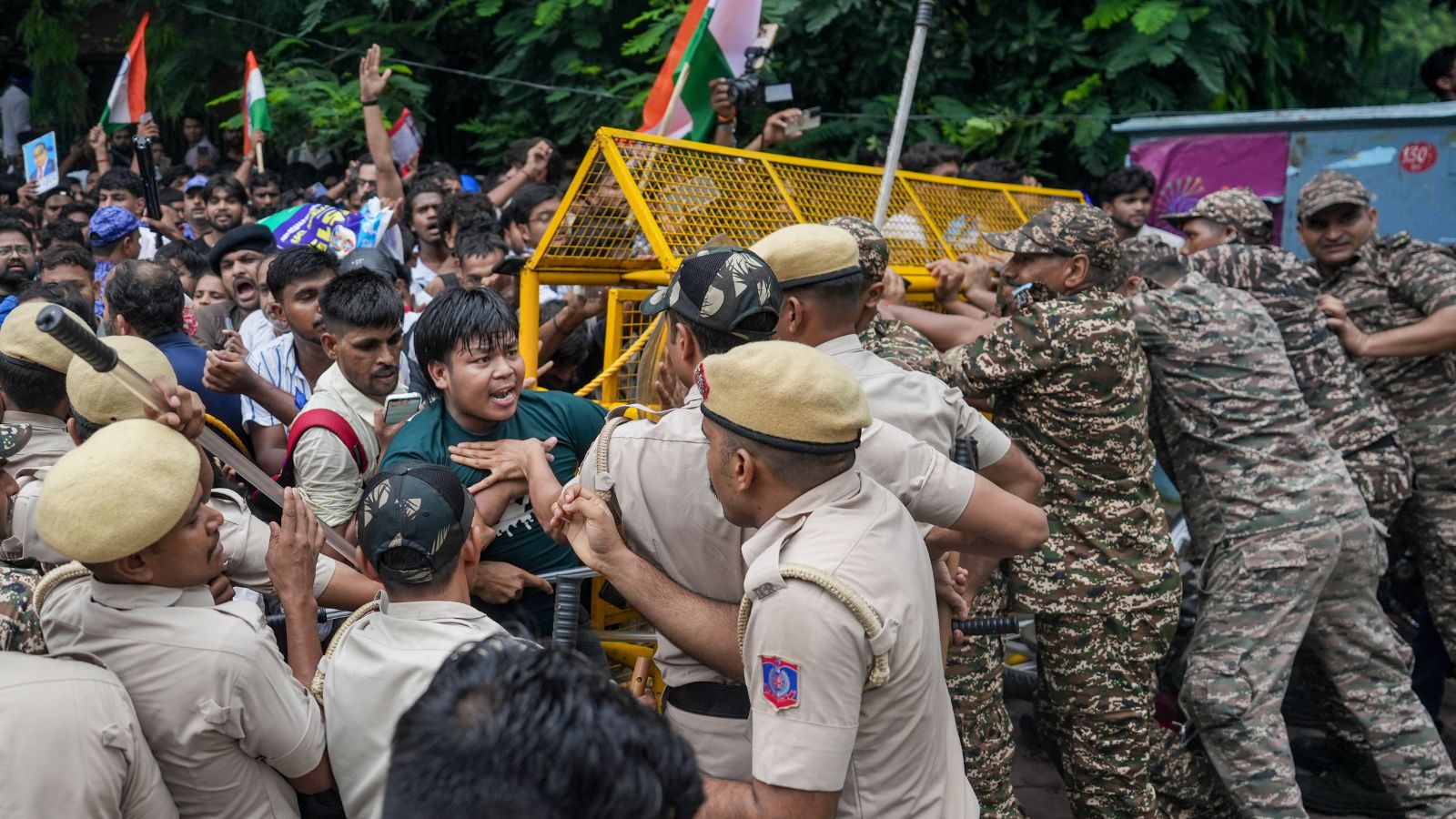
Amid heightened security in Delhi, the 'Sansad Chalo March' organised by a political group commenced on Monday from Jantar Mantar. The march coincides with the ongoing hunger strike of activist Sonam Wangchuk, which has now crossed 21 days.
Wangchuk, who was moved from the protest site to Safdarjung Hospital on Saturday, has indicated that he will end his fast only if certain conditions are met. As of Monday afternoon, representatives of the group were on their way to meet Union Health Minister J P Nadda after the government initiated talks early in the morning.
The march and the fast have drawn attention to the group's demands, though specific details of the negotiations remain undisclosed. The protest is being conducted under the banner of the party, whose leaders have called for legislative action on their charter of demands.
Security arrangements along the route have been increased to manage the expected turnout of supporters. The Delhi Police has deployed additional personnel to ensure the march remains peaceful.
Sonam Wangchuk, a renowned activist from the Ladakh region, has been on a hunger strike for more than three weeks, demanding attention to issues he has long championed. His health has been a concern, prompting medical intervention.
The government's outreach for talks marks a potential turning point in the protest. Both sides have expressed a desire for a constructive dialogue to resolve the impasse.
Timeline of the Protest:
Day 1: Sonam Wangchuk begins an indefinite hunger strike at Jantar Mantar, demanding action on his demands.
Day 21: Wangchuk's health deteriorates; he is shifted to Safdarjung Hospital on Saturday for medical supervision.
Day 22 (Monday): The 'Sansad Chalo March' commences from Jantar Mantar, with supporters including party leaders joining. Simultaneously, the government reaches out for talks, sending an invitation to meet Union Minister J P Nadda.
This event adds to the series of protests in the capital this year, reflecting ongoing tensions between civil society groups and the government over various policy matters.


