Russia Extends Diesel and Gasoline Export Bans Till January 2027

The Russian government has extended its ban on the export of diesel and gasoline until January 31, 2027, according to a statement issued on Thursday, July 30, 2026. The move is part of broader measures to stabilise the domestic fuel market.
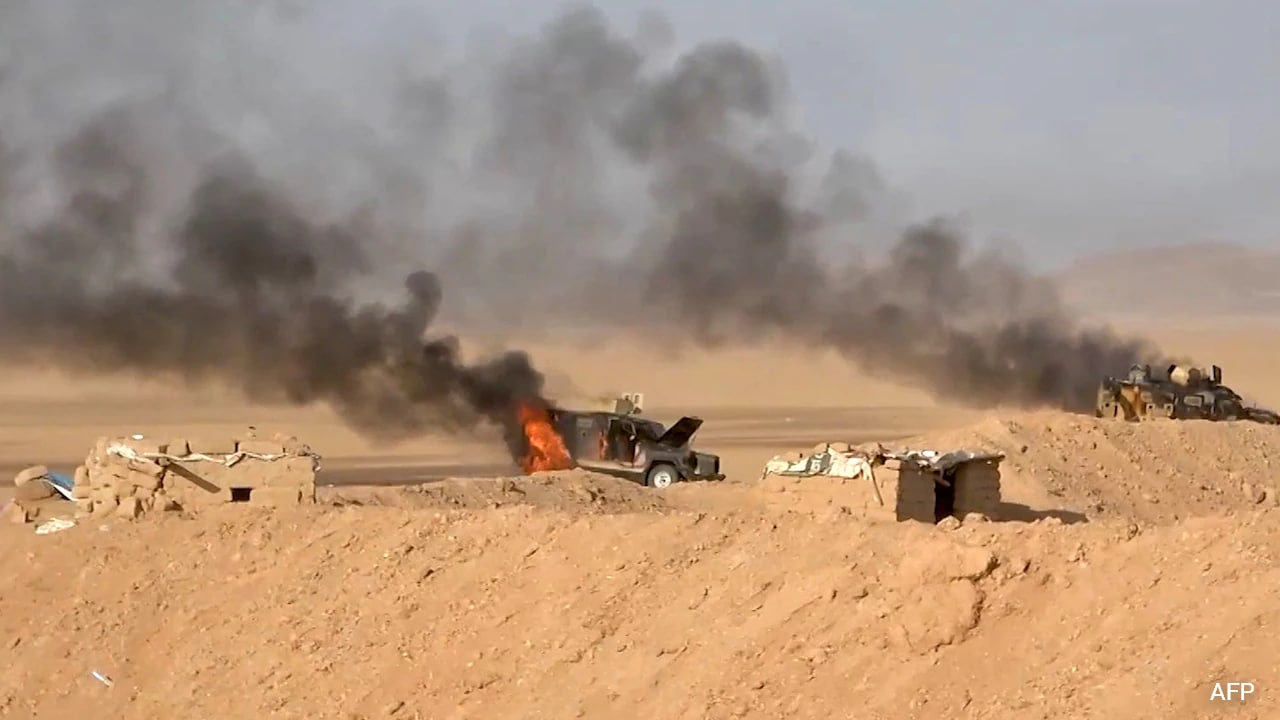
Russia initially introduced a ban on diesel exports from July 8 to July 31, following repeated Ukrainian drone attacks on oil refineries that led to fuel shortages and price increases. Moscow had already imposed restrictions on the export of gasoline and jet fuel before this latest decision.
In its announcement, the government said it was temporarily banning the export of gasoline, diesel, marine fuel and gas oils to maintain stability on the domestic market. However, from September 1, producers' exports will be exempt from the restrictions on diesel, marine fuel and gas oils. Marine fuel and gas oils are typically used in shipping and industrial processes, and their inclusion in the ban indicates a wider effort to secure all types of fuel for domestic consumption.
Some fuel exports will still take place under intergovernmental agreements and in the form of humanitarian aid, the statement said. This provides a channel for existing commitments to be fulfilled despite the general ban.
The government also said it had adopted a temporary procedure until November 1 to ensure that farmers, currently in the harvest season, receive the fuel volumes they require. Another resolution aims to guarantee a stable supply of motor fuel for state and local institutions.
The extended restrictions highlight the ongoing difficulties in Russia's energy sector after the attacks on refining infrastructure. The government has prioritised domestic supplies to prevent shortages and control price rises, which had affected consumers and key industries such as agriculture.
Russia is one of the world's largest exporters of fuel, and these measures may have implications for international markets. The duration of the ban, extending well into 2027, suggests that authorities expect the domestic market to need protection for a considerable period.
The government has not disclosed the full extent of damage to its refineries or a timeline for repairs. It has, however, repeatedly stated that its priority is to ensure adequate fuel for domestic use, especially during the harvest season and for public institutions.
The decision is in line with the Russian government's stated objective of ensuring price stability and availability of fuel for its citizens and businesses. While the export restrictions have external effects, the government has framed them as a necessary step to protect the domestic market during a period of supply disruption.
The ban is set to remain in force until the end of January 2027. Further details on the implementation of the exemptions from September 1 are expected to be issued separately.