RSS Registration Debate: Legal Status and History Explained
The legal status of the Rashtriya Swayamsevak Sangh (RSS) has once again come under scrutiny after Congress leader Priyank Kharge questioned why the organisation operates without formal registration. He also raised concerns about its funding, tax compliance, and the need for audits.
The RSS responded by reiterating its long-held position that registration is not legally required. The organisation maintains that its existence and legitimacy have been repeatedly recognised by courts and governments. During a lecture series in Bengaluru last year, RSS chief Mohan Bhagwat dismissed the controversy as a settled matter. He pointed out that the RSS was founded in 1925 and did not register under the British colonial regime, against which its leaders were fighting. Bhagwat argued that Indian law does not mandate registration for associations of individuals and that the RSS enjoys legal recognition as a "body of individuals." He cited court rulings in tax matters, the three occasions the organisation was banned, and legislative references as proof of its legal standing.
Under Indian law, there is no general requirement for citizens' associations to register. Legal frameworks such as the Societies Registration Act, Trusts Acts, company law, and trade union law provide optional vehicles for incorporation. Registration becomes necessary only when an organisation seeks specific rights or privileges tied to a particular legal form.
The question of the RSS's legal status first gained attention in the 1970s through two tax cases in Bombay and Patna. Tax authorities had examined whether donations to the RSS, collected as "guru dakshina" from workers, were taxable. Appellate authorities ruled that such contributions were exempt, and this was later upheld by the Patna High Court in 1994. In these proceedings, the RSS was recognised as a "body of individuals."
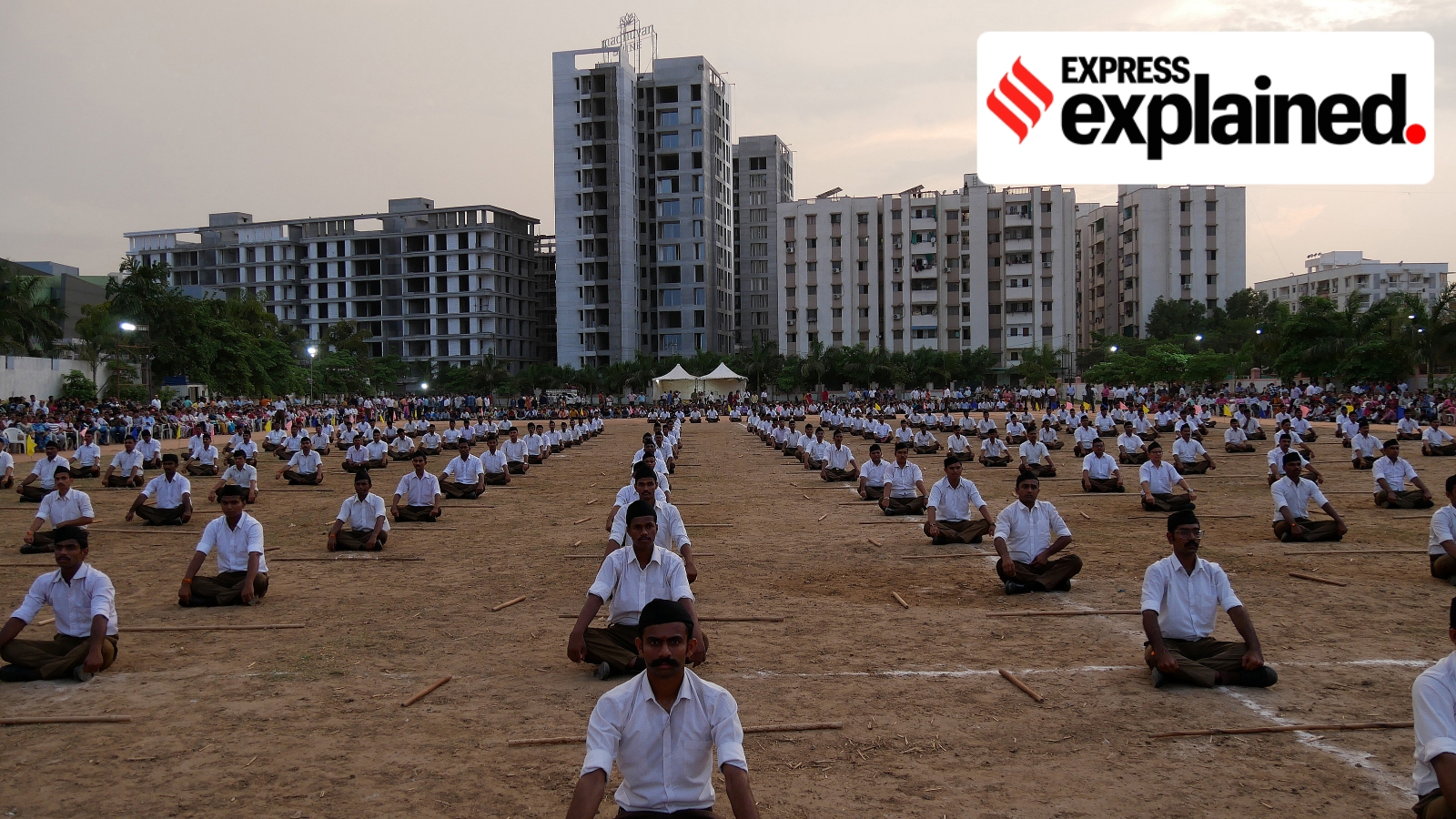
Historically, the RSS was founded by Keshav Baliram Hedgewar not as a conventional association but as a social movement focused on character-building and social organisation. Its organising principle has always been participation over paperwork—there are no membership cards or publicly verifiable national membership registers. One becomes a swayamsevak through active involvement.
Today, the RSS is arguably India's largest voluntary organisation, with a century-long history, thousands of daily shakhas, and a vast network encompassing trade unions, farmer bodies, student organisations, educational institutions, and social service efforts. Its political arm, the Bharatiya Janata Party, currently leads the Union government and holds power in most states. Given this scale and influence, Kharge has contended that the RSS must adhere to the highest standards of transparency, accountability, and constitutional compliance. The debate, therefore, is not about the legality of the RSS, but about whether an organisation of such reach should remain outside the formal registration framework followed by most modern institutions.


