Reliance, Rolls-Royce join hands to develop engines for India's AMCA stealth fighter
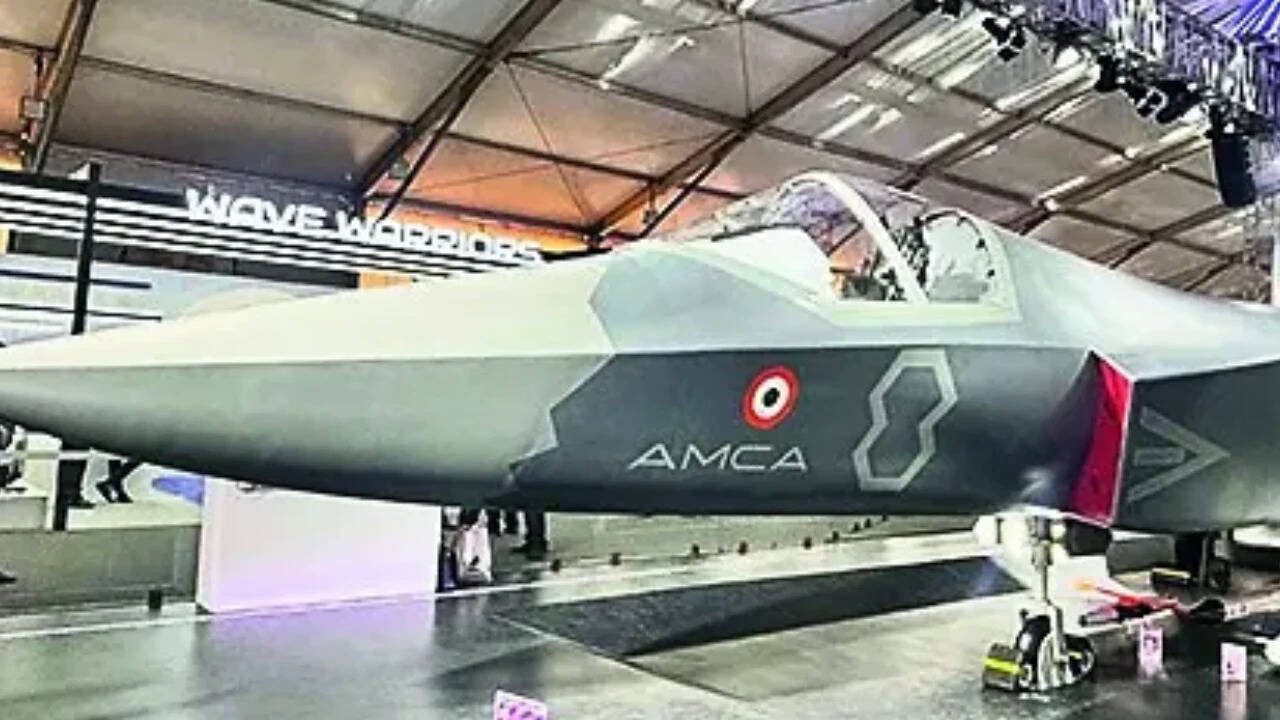
In a significant push towards indigenous defence manufacturing, Reliance and UK-based engineering major Rolls-Royce have announced a partnership to develop fighter jet engines for India's Advanced Medium Combat Aircraft (AMCA). The AMCA is being developed as a twin-engine, medium-weight stealth fighter for the Indian Air Force (IAF), and this collaboration could accelerate the country's quest for self-reliance in critical aviation technology.
The partnership comes at a time when India is looking to reduce its dependence on foreign defence equipment and build a robust domestic aerospace ecosystem. The AMCA programme, a flagship project under the Indian government's 'Make in India' initiative, is intended to fill the gap between the lighter Tejas and heavier foreign-origin fighters currently in service. The aircraft is expected to feature advanced stealth characteristics, supercruise capability, and state-of-the-art avionics.
Developing a modern fighter jet engine is one of the most challenging tasks in aerospace engineering. Engines must withstand extreme temperatures, deliver high thrust-to-weight ratios, and maintain reliability over long operational lifetimes. India has faced hurdles in this domain, with previous attempts to develop a domestic engine facing technical setbacks. The collaboration with Rolls-Royce, which has decades of experience in military and civil aviation engines, could provide the necessary technological expertise.
While the specific terms of the partnership have not been disclosed, industry observers note that such collaborations often involve technology transfer, co-development, and joint production. For Reliance, which has been expanding its defence portfolio, this deal enhances its credentials as a major player in the aerospace sector. For Rolls-Royce, the partnership opens doors to the growing Indian market and aligns with India's strategic goal of indigenising critical defence components.
The AMCA is being developed by the Aeronautical Development Agency (ADA) in collaboration with Hindustan Aeronautics Limited (HAL). The aircraft is expected to enter service in the late 2030s, though engine certification and flight testing timelines may shift depending on the progress of this partnership. The Indian Air Force has projected a requirement for over 100 AMCA aircraft, making it a vital component of its future combat fleet.
Experts point out that the success of this engine programme will depend on how much of the design, development, and manufacturing is actually done in India. The government has been pushing for 'strategic partnerships' under the Defence Acquisition Procedure, which mandates significant indigenous content in major defence projects. Whether this deal meets those requirements remains to be seen.
This announcement also reflects a broader trend of global defence firms forging alliances with Indian companies to participate in the country's modernisation drive. Several international manufacturers have already partnered with Indian entities for various platforms, including fighter jets, helicopters, and submarines. The Reliance-Rolls-Royce deal, if it progresses as planned, could become a template for future collaborations in high-technology areas.
Neither company has commented on the specific engine model or the phased milestones of the programme. However, analysts believe the initial focus will be on developing a suitable powerplant for the AMCA's prototype testing, before moving to production-standard engines. Rolls-Royce's expertise in military engines, such as those used on the Eurofighter Typhoon and Lockheed Martin F-35 (through its LiftSystem), adds credibility to the partnership.
For the Indian Air Force, the arrival of the AMCA is seen as crucial to maintaining combat superiority amid changing regional security dynamics. Neighbouring countries are also developing or acquiring advanced fighters, raising the stakes for India's defence preparedness. A successful engine development programme would reduce the risk of supply chain vulnerabilities and ensure that the AMCA is not dependent on foreign engines over its entire service life.
While challenges remain, the announcement marks a step forward in India's aerospace ambitions. The coming months will reveal how the partnership translates into concrete milestones, and whether it can deliver the performance and reliability required for a frontline fighter. For now, the collaboration represents a meeting of international expertise and national aspiration, with the potential to reshape India's capabilities in gas turbine technology.







