RBI’s Special Forex Drive Raises $32 Billion So Far, Governor Signals More Inflows
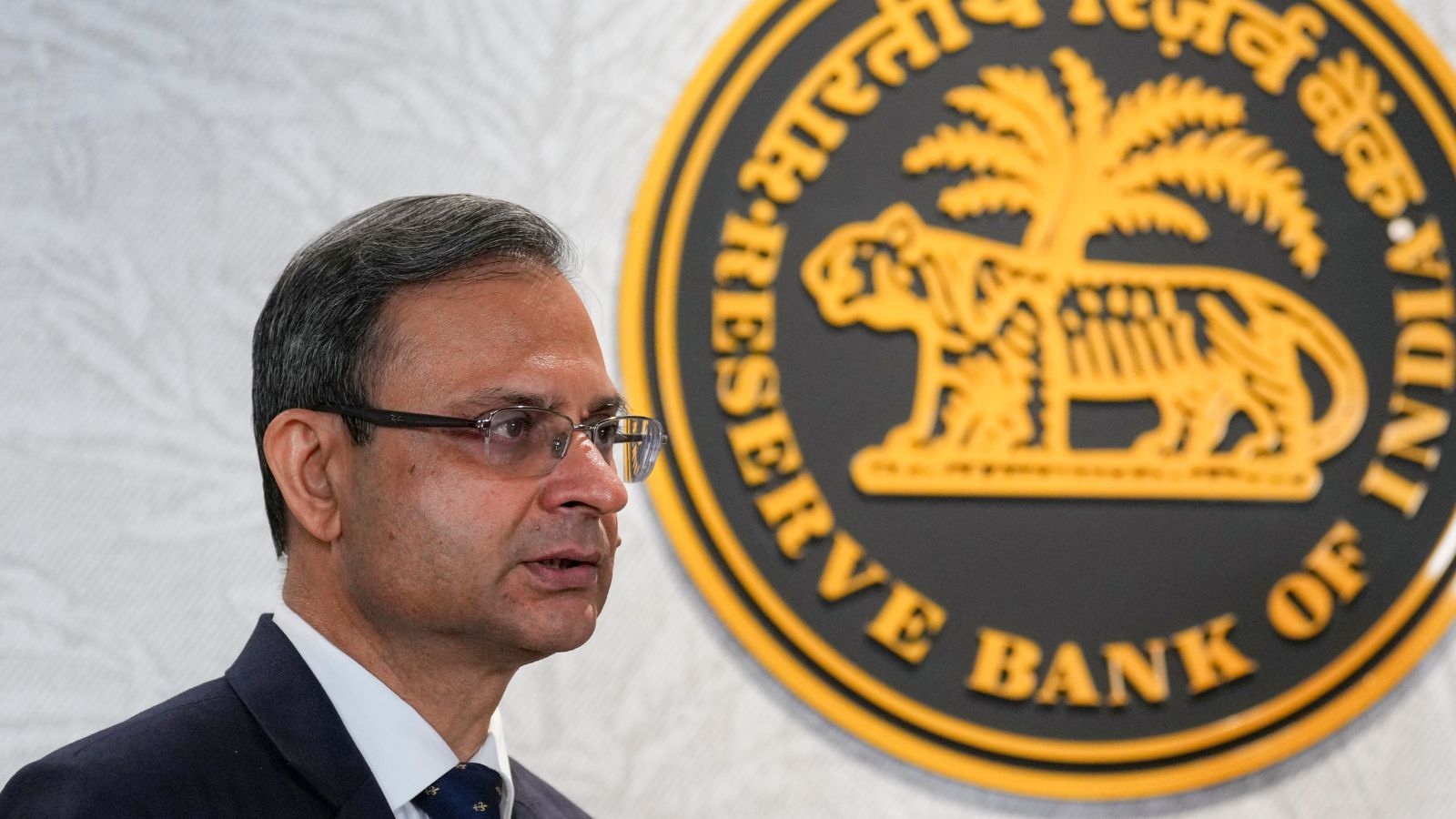
The Reserve Bank of India’s (RBI) special drive to attract foreign currency inflows has raised $32 billion so far, Governor Sanjay Malhotra said in an interview. The central bank launched three concessional swap facilities on June 5 to boost foreign exchange reserves and stabilise the rupee.
Malhotra noted that most of the inflows have come through the Foreign Currency Non-Resident (Bank) (FCNR(B)) deposit scheme, under which the RBI bears the full exchange rate hedging cost for fresh 3-5-year deposits. “Till date, banks have mobilised almost $32 billion. Obviously, most of it is coming through FCNR(B) deposits. The figures related to ECBs and OFCBs are lumpy,” he told The Hindu Businessline.
The RBI previously reported that between June 8 and July 17, $20.72 billion had been raised, with $17.41 billion from FCNR(B) deposits. Governor Malhotra added that inflows into government securities have also surged, reaching more than $7 billion since June 5. “At this pace, the total inflows are likely to be robust,” he said.
State Bank of India’s Group Chief Economic Adviser, Soumya Kanti Ghosh, estimated that total inflows through the swap windows could reach $80–85 billion, including up to $70 billion from FCNR(B) deposits alone.
The drive is reminiscent of a similar effort in 2013, when the RBI raised about $34 billion during a period of rupee volatility. The current inflows have already approached that level. The swap facilities for External Commercial Borrowings (ECBs) and Overseas Foreign Currency Borrowings (OFCBs) will remain open until December 31, while the FCNR(B) scheme is available until September 30.
The rupee, which had weakened towards 97 per dollar in May amid geopolitical tensions, strengthened to around 95.9 per dollar by July 22. Foreign portfolio investors have also returned to Indian bond and stock markets after net outflows earlier this year. However, net foreign direct investment (FDI) turned negative in May, with an outflow of $74 million after a $6.58 billion inflow in April.
Malhotra dismissed concerns about rupee overvaluation, stating, “If anything, one could argue that the rupee has become undervalued.” He added that the current account deficit remains manageable and that the RBI’s measures are aimed at maintaining orderly market conditions.