RBI Bans Banks From Selling Seized Properties to Loan Defaulters
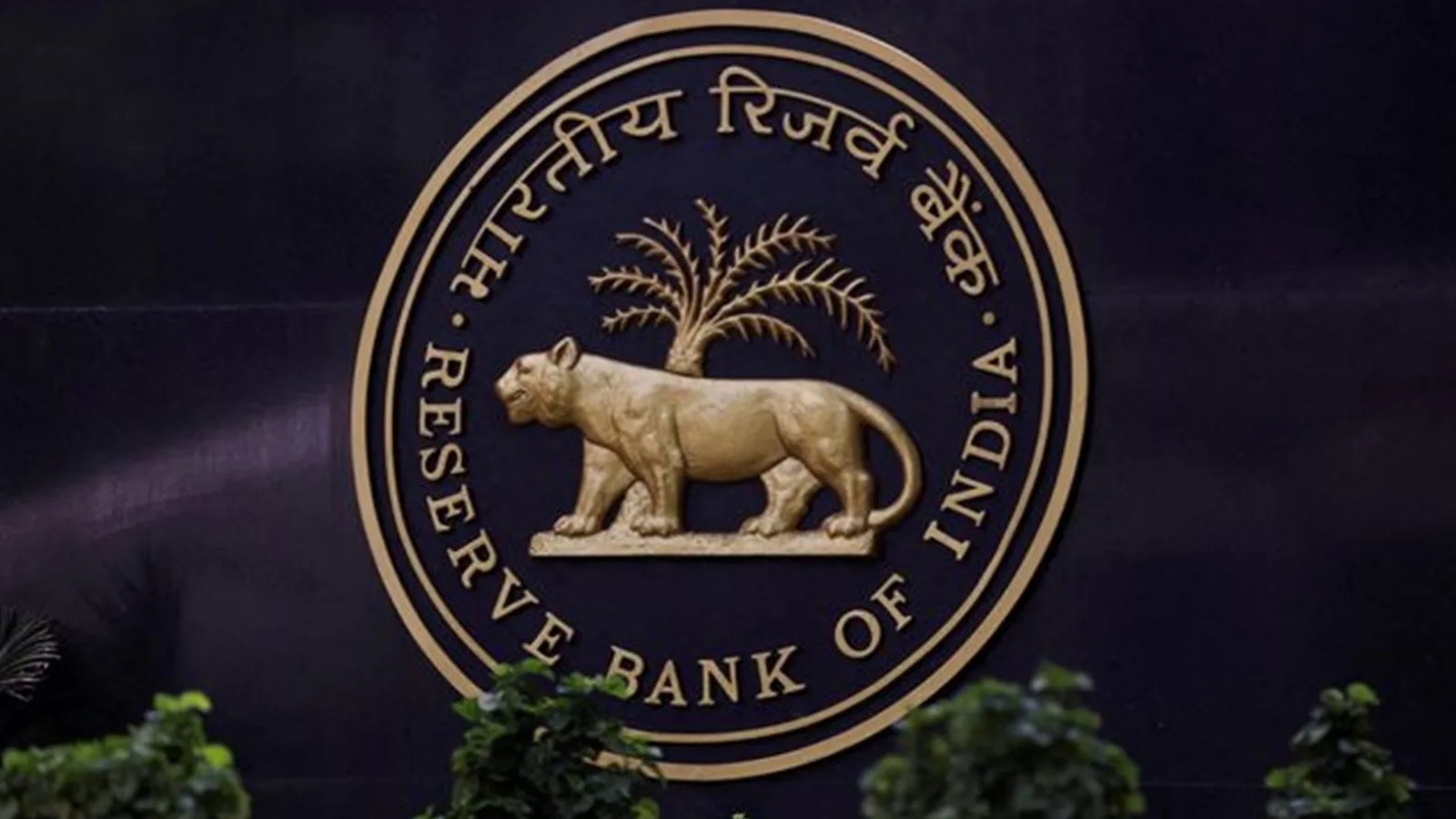
The Reserve Bank of India (RBI) has introduced new regulations governing the acquisition and disposal of specified non-financial assets (SNFAs) by banks. Under the Third Amendment Directions, 2026, issued under the Commercial Banks-Resolution of Stressed Assets Directions, 2025, banks are now explicitly barred from selling repossessed properties back to the original borrower or related parties.
SNFAs are immovable properties such as residential buildings, commercial properties, and industrial land that banks acquire when borrowers fail to repay loans. The new framework establishes clear procedures for how banks must value, manage, and dispose of these assets.
According to the RBI, banks may acquire an SNFA only after a loan has been classified as a non-performing asset (NPA). The acquisition must involve full or partial settlement of the outstanding exposure. If only part of the loan is settled through property transfer, the remaining debt continues under restructuring norms, ensuring appropriate provisioning and risk management.
To prevent overvaluation, the RBI has mandated that every acquired property be recorded at the lower of two values: the net book value of the extinguished loan or the distress sale value determined independently by at least two external valuers. Banking experts say this conservative method will reduce inflated asset values on bank balance sheets and encourage realistic financial reporting.
The amendment also requires every commercial bank to formulate a detailed internal policy for acquiring and disposing of SNFAs. The policy must specify eligibility criteria, approval procedures, recovery efforts before acquisition, limits on such assets relative to total assets, and a clear timeline for disposal. The RBI has capped the maximum holding period at seven years.
Disposal procedures have been tightened. The RBI instructs lenders to sell these properties primarily through public auctions, following principles under the SARFAESI Act, 2002. The prohibition on selling back to original borrowers or related parties is intended to prevent misuse of the recovery process and improve transparency.
The RBI has clarified accounting and disclosure requirements. SNFAs will no longer be counted as part of gross NPAs, net NPAs, or stressed assets. Instead, they will appear separately under the category 'non-banking assets acquired in satisfaction of claims.' Banks must submit detailed annual reports on these assets through the RBI's CIMS portal, including information on acquisitions, disposals, age-wise classification, and properties used by the bank itself.
Legacy assets already held by banks as of September 30, 2026, must be brought into compliance by September 30, 2027. The directions come into force on October 1, 2026.