Ratko Mladić, convicted of Srebrenica genocide, dies at 84 in The Hague
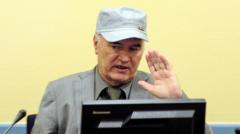
Ratko Mladić, the former Bosnian Serb military commander convicted of genocide and crimes against humanity, has died at the age of 84 in a United Nations detention facility in The Hague, Netherlands. A UN official confirmed his death on Tuesday, saying he was receiving palliative care in the prison hospital at the time.
Mladić was sentenced to life imprisonment in 2017 by the International Criminal Tribunal for the former Yugoslavia (ICTY). He was found guilty of genocide, war crimes, and crimes against humanity committed during the Bosnian War of 1992–1995. The tribunal held him responsible for the 1995 Srebrenica massacre, in which more than 8,000 Bosniak men and boys were killed, and for the siege of Sarajevo, which left thousands of civilians dead.
Following the end of the war, Mladić evaded capture for 16 years. He was finally arrested in a village in northern Serbia in 2011 and transferred to The Hague to stand trial. His case was one of the most significant war crimes prosecutions since the Nuremberg trials after World War II.
The conviction was upheld on appeal in June 2021, with judges confirming the life sentence. During his detention, Mladić suffered from a series of health problems. In May of this year, his lawyers sought an early release on compassionate grounds, citing his deteriorating condition. A UN court judge acknowledged that his situation was 'dire' but ruled that he was receiving comprehensive and compassionate medical care in custody, and refused the request.
Mladić was often referred to in media reports as the 'Butcher of Bosnia,' a nickname reflecting the brutal nature of the campaigns he led. However, his trial and conviction were also seen as a landmark for international justice, showing that those responsible for grave violations of humanitarian law could be held accountable, even decades later.
His death closes a chapter in the painful history of the Balkans, but the scars of the conflict remain. For many survivors and families of victims, the verdicts brought a measure of recognition, even if justice was a long time coming. The UN tribunal itself, officially known as the International Residual Mechanism for Criminal Tribunals, continues to handle remaining cases and appeals from the former Yugoslavia.
Human rights organisations and diplomats have noted that Mladić's death does not erase the collective memory of the atrocities. They say the historical record is now firmly established through court proceedings, testimony, and documentation, offering an enduring account of the crimes committed during the disintegration of Yugoslavia.







