Rajya Sabha adjourns repeatedly; Chairman asks Rijiju to convey opposition's sentiments to Amit Shah
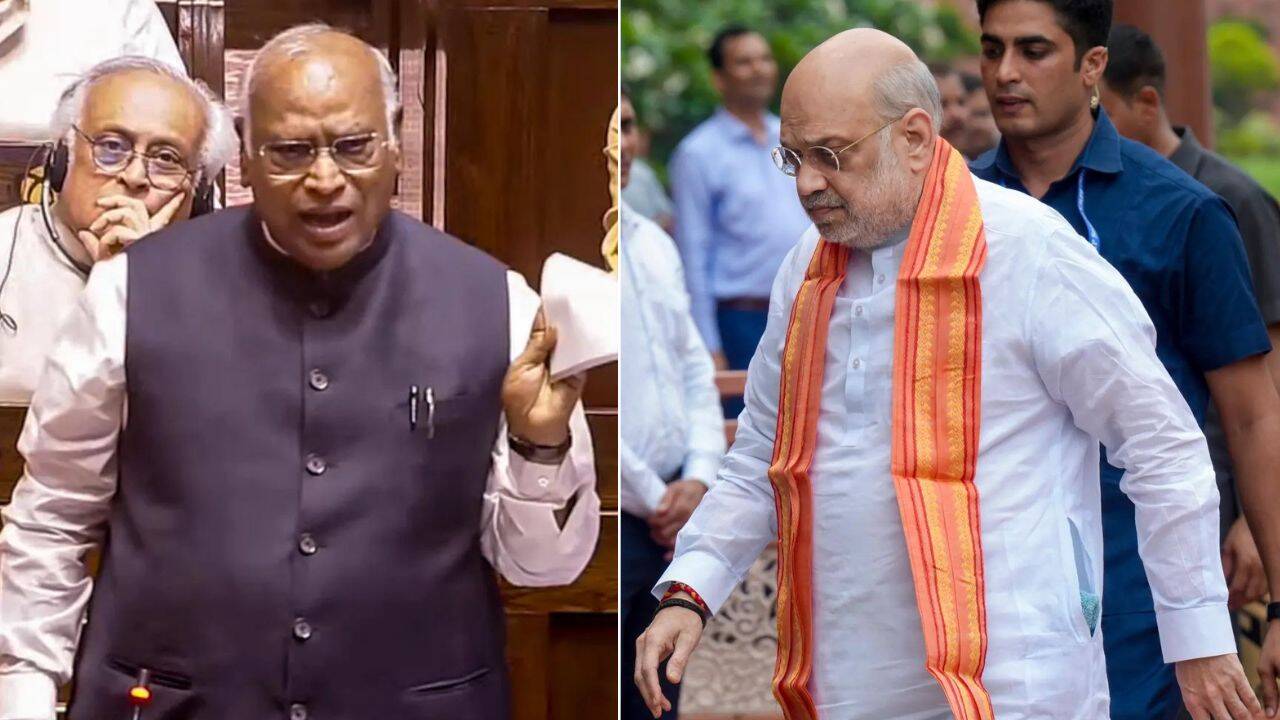
The Rajya Sabha witnessed repeated adjournments on [date] as opposition members staged a relentless protest demanding the presence of Union Home Minister Amit Shah in the House. The Chairman of the Rajya Sabha, responding to the uproar, advised Minister of Parliamentary Affairs Kiren Rijiju to convey the sentiments expressed by the members to Shah, signalling the government's need to address the opposition's concerns.
The House was adjourned multiple times during the day following continuous sloganeering by opposition members who insisted on Shah's presence to respond to certain issues. The specific subject of the demand was not immediately clear, but the members remained adamant, leading to disruption of the scheduled proceedings.
As the din continued, Chairman said, addressing Rijiju, "Convey their sentiments to the concerned minister" — a remark aimed at defusing the tension and ensuring that the opposition's grievances were formally noted. The statement was seen as an attempt to assure the opposition that their voices would be relayed to the Home Minister, even in his absence.
Kiren Rijiju, who is also the Leader of the House, listened to the Chairman's advice without making a detailed commitment on Shah's availability. Government sources later indicated that necessary steps would be taken to address the issues raised by the opposition within the framework of parliamentary procedures.
The repeated adjournments worried several members, who expressed concern over the loss of legislative time. The House had a heavy agenda, including pending bills and discussions on matters of public importance. The disruption forced the Chairman to first postpone the Question Hour and later the entire Zero Hour before adjourning the House for the day.
Opposition leaders, speaking to reporters outside Parliament, defended their protest, saying that the presence of the Home Minister was essential for clarity on specific matters. They maintained that their demand was not unreasonable and that the government's reluctance to respond in the House was an affront to parliamentary accountability.
Political analysts noted that such confrontations are not uncommon in the upper house, where the ruling party enjoys a majority but must still navigate dissenting voices. The Chairman's intervention to channel sentiments through the parliamentary affairs minister reflects a procedural approach to resolve impasses while keeping the House functioning.
The incident is a reminder of the ongoing tensions between the ruling side and the opposition in Parliament, where the agenda often takes a backseat to procedural wrangling and demands for ministerial presence. Observers hope that a resolution can be reached soon, allowing the House to return to its legislative business.
The Rajya Sabha is scheduled to meet again on the next working day, and it remains to be seen whether the Home Minister will appear to respond to the opposition's queries. Until then, the opposition's demand hangs over the proceedings, underscoring the delicate balance between parliamentary decorum and political assertion.