Rajasthan shifts student protest policy toward dialogue, away from force
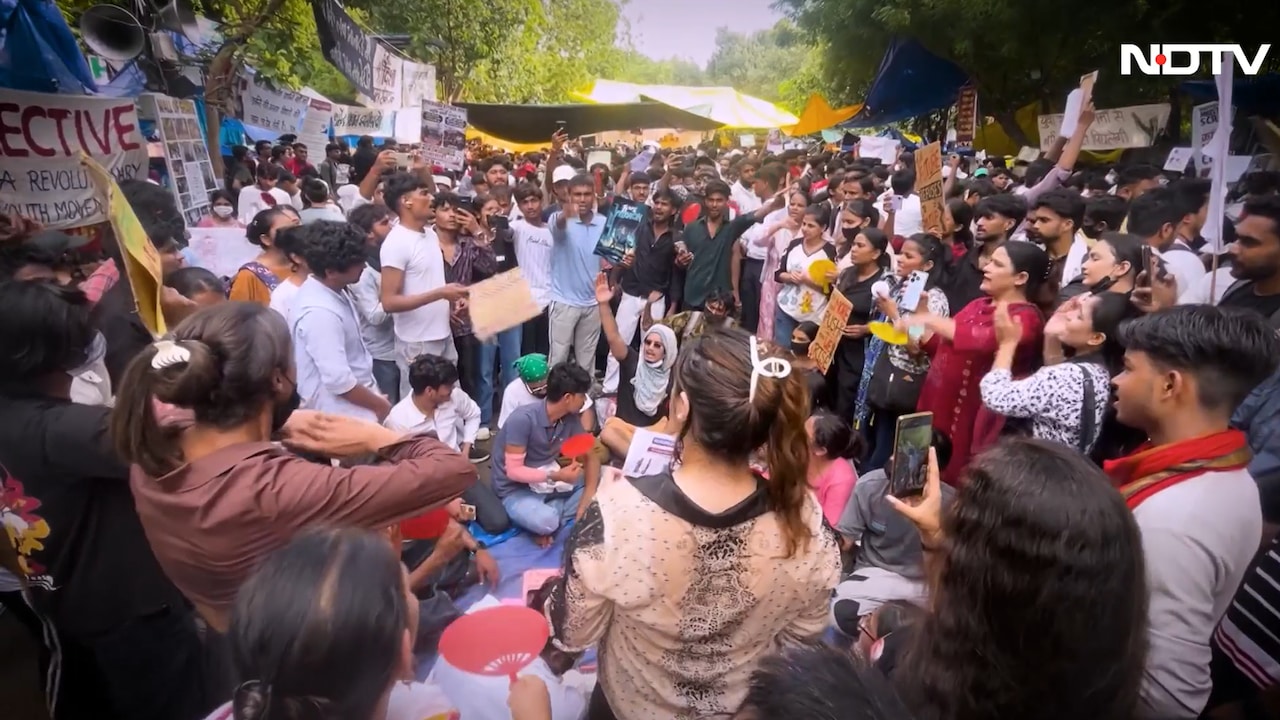
The Rajasthan government is reworking its approach to student protests, with a proposed Standard Operating Procedure (SOP) that prioritises dialogue over immediate police action. The new framework, being prepared by the Home Department, would require senior officers to reach protest sites, listen to students, and attempt to resolve grievances on the spot.
Minister of State for Home Jawahar Singh Bedham said the government is approaching student issues with sensitivity. "Chief Minister Bhajan Lal Sharma himself interacts with young people. Our effort is to speak to children not as officers or leaders, but as parents and friends. We want to understand their problems and try to resolve them on the spot," Bedham said.
The move comes after a series of student protests in different parts of the state. In Thanagazi's Jodhawas village, students demonstrated after a portion of a school roof collapsed. Officials from the administration and Education Department later visited the site and accepted the students' demands. In Luni, Jodhpur, students locked a government school's gates to protest teacher shortage. A similar protest took place in Saidpura, Bharatpur, over inadequate teaching staff.
The proposed SOP is designed to address the reasons behind protests rather than simply end them. Officials from concerned departments would be expected to reach the spot, hear out the students, and take immediate action wherever possible. Bedham stressed that student protests should not be viewed only through a law-and-order lens; the priority should be to understand the demand and the underlying problem.
The framework also emphasises avoiding criminal cases against protesting students and ensuring no undue pressure is placed on them. However, if a situation escalates into a serious law-and-order challenge, existing legal measures will still apply.
Social media is a key factor in the government's thinking. Videos of student protests spread quickly online, and any confrontation—especially images of a lathi-charge—can turn a local issue into a statewide controversy. Today's students have grown up with smartphones and digital platforms, making the impact of protests on public discourse very different from earlier generations.
The timing also matters. Rajasthan is in the middle of urban local body elections, with panchayat polls scheduled. The government is keen to avoid incidents that could become political ammunition for opposition parties. Chief Minister Sharma has recently held direct interactions with young people, signalling a broader effort to engage with the younger generation rather than allow protests to turn into confrontations.
The message from the government is consistent: listen to students first, understand their problems, try to resolve them, and resort to law-and-order measures only when necessary. Whether the SOP achieves this in practice remains to be seen, but the stated shift from force to dialogue marks a notable change in approach.