Rajasthan Panel Finds Lapses in Monitoring and Infection Control in Kota Maternal Deaths
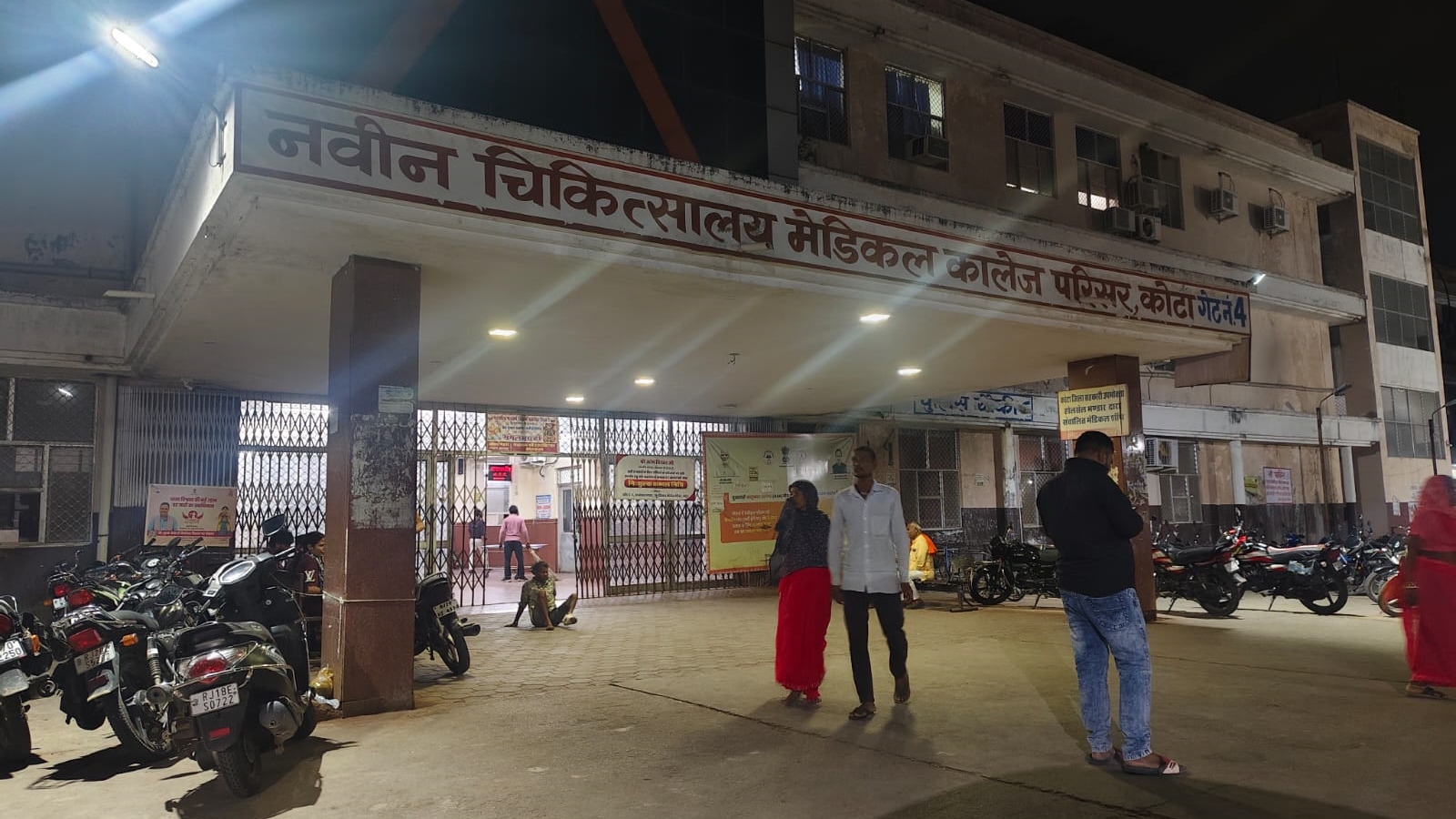
An expert committee appointed by the Rajasthan government to investigate recent maternal deaths in Kota has identified several procedural shortcomings, including inadequate monitoring of high-risk pregnancies, incomplete medical records, and gaps in infection control measures, according to sources familiar with the report.
The eight-member panel's findings come after the World Health Organisation (WHO) sought information on a potential link to ineffective oxytocin, a drug used to induce labour and prevent post-delivery bleeding. The Rajasthan Drug Testing Laboratory had earlier found a batch of oxytocin ineffective, with tests showing no trace of the active ingredient.
Additionally, the licences of Jackson Laboratories' manufacturing units in Punjab and Himachal Pradesh were revoked for non-compliance with a 2023 order to halt production. Sources indicated that inspections uncovered widespread irregularities, including missing evidence of key purity tests and indications of data manipulation.
The Union Health Ministry had sought a detailed report after several women developed complications following caesarean sections in government hospitals across Rajasthan, some of which resulted in deaths. In May, five women died after caesarean deliveries in Kota, and seven others experienced severe complications, including kidney failure requiring dialysis. Two more deaths occurred in June in Bikaner after six women developed kidney failure, and two women in Paota, Jodhpur, suffered complications. Rajasthan authorities have denied a direct link between the deaths and the oxytocin issue.
The committee's report, submitted in late June, attributed the deaths to procedural lapses in managing high-risk pregnancies. It stated, “We also note that clinical presentations are different in almost all cases… drugs leading to any reaction or causing shock is negligible. Committee views that absence of active pharmaceutical ingredient oxytocin cannot be attributed mortality.” The report reviewed by this publication noted that the women died of various medical conditions, with no single common cause.
Instead, the panel flagged poor monitoring of high-risk pregnancies, missing treatment records, deficiencies in obtaining informed consent, and inadequate infection control. Gayatri Rathore, Rajasthan’s principal health secretary, told this publication, “There were several factors that led to these deaths and the committee has recommended improving the protocols in the hospitals. While both hospitals in Kota do see such deaths as they tend to receive the most complicated cases, unfortunately, the deaths were clustered and therefore got highlighted.”
The report also analysed findings from a separate six-member AIIMS committee. According to the state committee, the AIIMS report raised “major points of concern” regarding “sterilisation and OT infection control practices, post-operative critical care monitoring deficiencies, pharmacovigilance, drug storage and administration related practices.” It emphasised that these issues need to be addressed to ensure protocol adherence.
The state committee detailed the causes of death: at J K Lone Hospital in Kota, one woman died from pre-existing heart disease, another from excessive blood loss due to postpartum haemorrhage. At New Medical College Hospital in Kota, a woman died from pulmonary embolism caused by disseminated intravascular coagulation, and another from hypovolemic shock.