Rajasthan farmers challenge GI tags for Unjha jeera and saunf, citing unfair trade practice
Farmers in Rajasthan are raising strong objections against the recent grant of Geographical Indication (GI) tags for 'Unjha Jeera' and 'Unjha Fennel', registered in the name of the Agriculture Produce Market Committee (APMC) of Unjha in Gujarat's Mehsana district. They argue that the tags wrongly attribute the produce to Unjha, which is primarily a trading hub, not a major cultivation area.
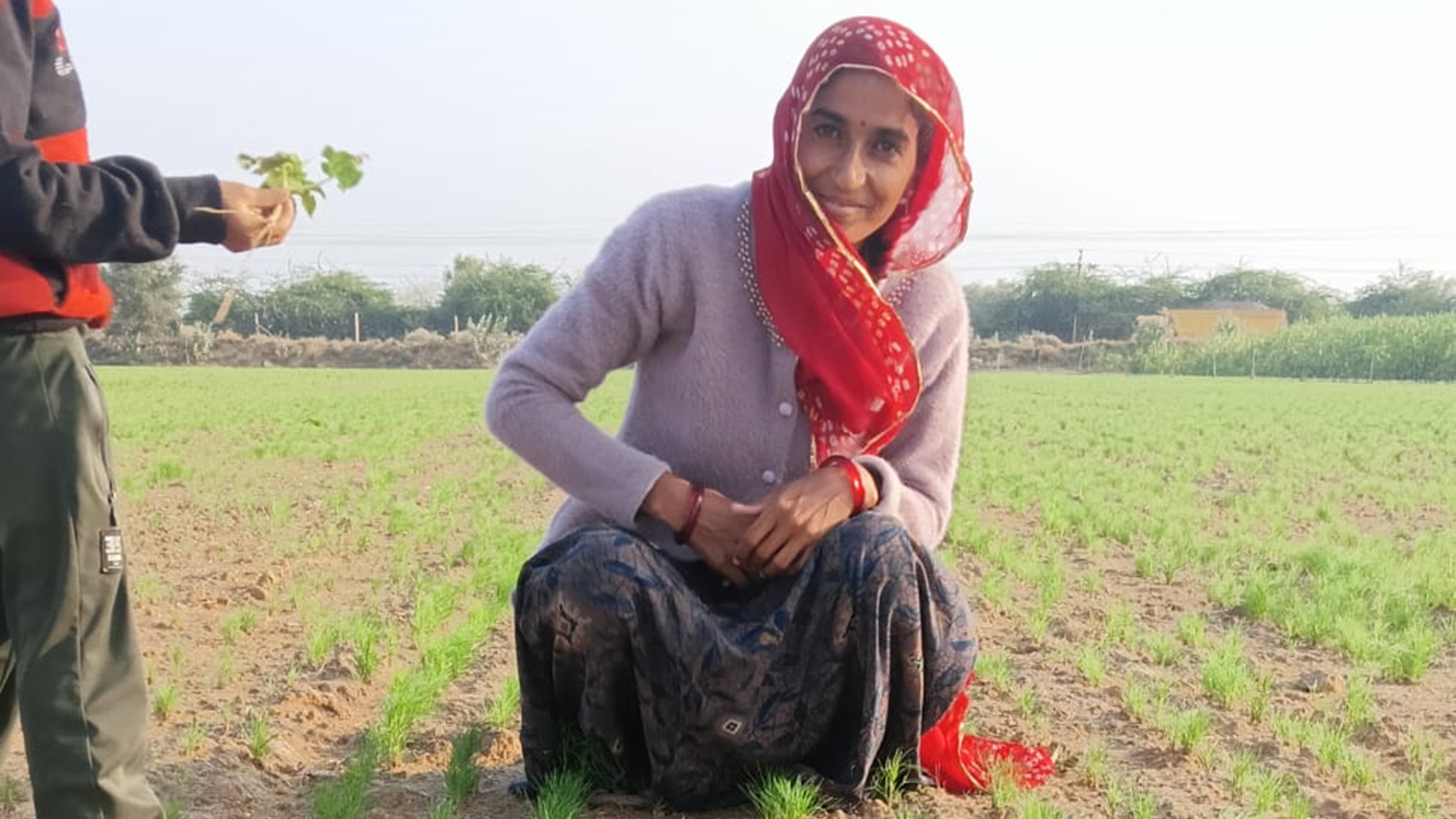
Champa Choudhary, a 30-year-old farmer from Barmer district who cultivates cumin on 70 out of her 100 bigha (16.7 hectares) land, told reporters, 'We grow jeera; Unjha is just a market. How can there be an Unjha Jeera when the crop isn't even grown there?' Data from the Gujarat government supports this claim: during the 2024-25 season, Mehsana district had only 174 hectares under cumin, producing 149 tonnes — a fraction of the state's total 4,76,537 hectares and 4,07,629 tonnes.
Farmers fear the GI tag will be used by traders to depress prices. Choudhary, who is also a director of the Maru Laxmi Cumin Farmers Producer Company, noted that her cooperative sold 1,500 tonnes of cumin in the Unjha APMC at Rs 180-200 per kg, while a separate 500 tonnes of IPM-quality cumin fetched Rs 230 per kg from a Kerala-based processor. She alleges, 'The GI tag will allow traders to paint our produce as inferior and theirs as premium, forcing us to accept lower rates.'
Interestingly, the GI registration for 'Unjha Jeera' covers a wide geographical area beyond Mehsana, including Banaskantha, Patan, Ahmedabad, and several other districts of Gujarat — but not Rajasthan, which is a major cumin producer. Similarly, the 'Unjha Fennel' GI tag applies to multiple Gujarat districts, but does not include Rajasthan's Sirohi district, where a unique variety called 'Abu Saunf-440' is grown.
Ishaq Ali, a saunf farmer from Sirohi district who developed the 'Abu Saunf-440' variety — registered as a farmers' variety under the Protection of Plant Varieties and Farmers' Rights Act — expressed dismay. He sells half of his 22-23 tonnes produce in Unjha, 130 km away, and gets a premium for his bold, lustrous green seeds with unique aroma. 'I fear the GI tag will undermine the saunf grown in Rajasthan, including my speciality variety. How can you register a GI in the name of an APMC?' he asked.
Geographical Indication tags are intended to protect products originating from a specific region, where a given quality, reputation, or characteristic is essentially attributable to its geographical origin. Critics say the Unjha tags, granted on March 28 by the Geographical Indication Registry in Chennai, may have been issued without adequate verification of cultivation areas. The notified areas for 'Unjha Fennel' similarly span multiple Gujarat districts, but farmers in Rajasthan argue that their produce, which feeds the Unjha market, deserves recognition instead.
The dispute highlights the tension between traditional growing regions and major trading centres. Rajasthan farmers say they are not against GI tags per se, but they want the tags to reflect actual cultivation areas. They are considering legal options to challenge the registration, which they believe will harm their livelihoods and the reputation of their produce.