Rahul Gandhi Visits Parliament Street Police Station to Lodge Complaint with DCP
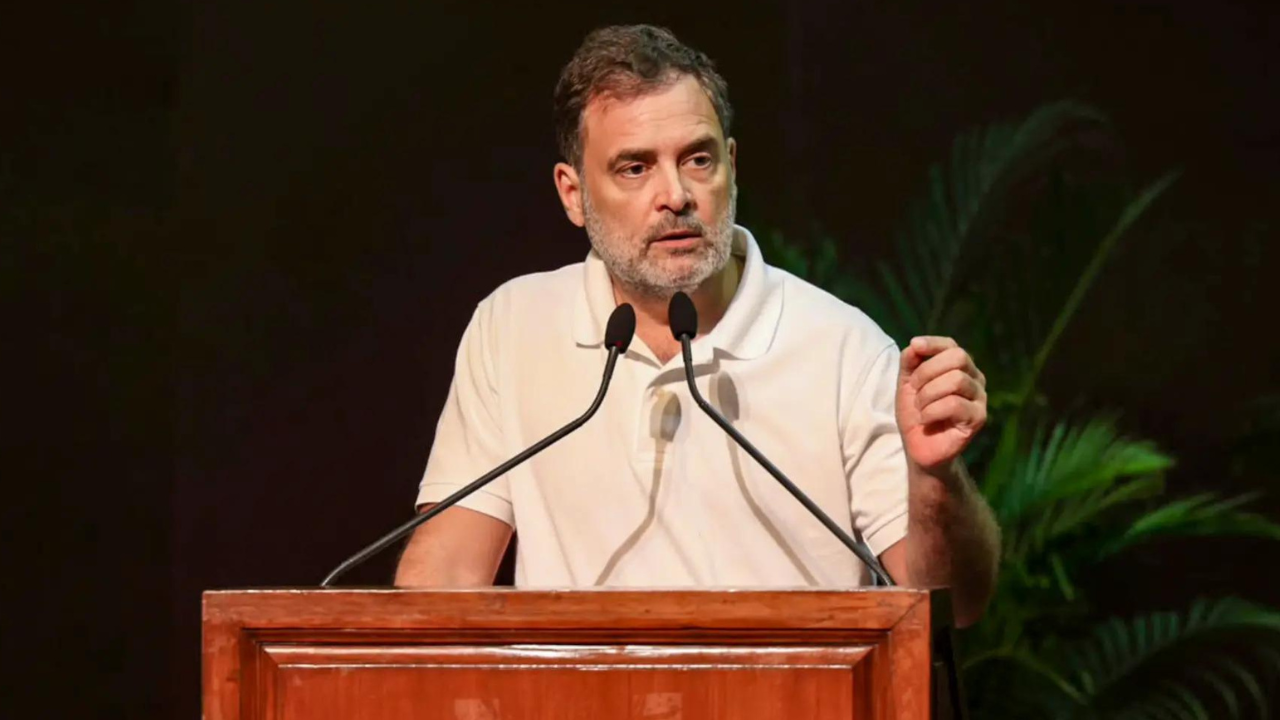
Congress leader Rahul Gandhi arrived at the Parliament Street police station in New Delhi on Wednesday afternoon to lodge a complaint with the Deputy Commissioner of Police (DCP). The visit, which drew a large contingent of media personnel and party workers, was confirmed by police sources, though the exact nature of the complaint was not immediately disclosed.
Mr. Gandhi, who serves as the Leader of Opposition in the Lok Sabha, was seen entering the police station premises in a white SUV. He was accompanied by a few close associates and his personal security detail. No formal statement was made to the press as he made his way inside.
The Parliament Street police station is one of the most strategically located police establishments in the national capital. Situated near the Parliament House, the Central Secretariat, and several key government offices, it falls under the New Delhi district police. The station routinely handles matters related to protests, VIP security, and law-and-order issues in the high-security zone.
The Deputy Commissioner of Police is the head of the district police force. Complaints lodged with the DCP are generally forwarded to the relevant police station for necessary action, or the DCP may directly order an inquiry depending on the seriousness of the matter. Under the Bharatiya Nagarik Suraksha Sanhita (BNSS), which replaced the Code of Criminal Procedure, citizens can file complaints in person, in writing, or through digital modes.
According to standard police procedure, if a complaint indicates the commission of a cognizable offence, the police are legally bound to register a First Information Report (FIR). In cases involving non-cognizable offences, the complainant may be directed to approach a magistrate. However, the details of what Mr. Gandhi sought to bring to the DCP's attention have not been made public.
Several political leaders and public figures have previously visited the Parliament Street police station to register grievances, ranging from security threats to allegations of defamation. The choice of this particular station is significant because of its proximity to the Parliament complex, making it a convenient venue for lawmakers.
Given Mr. Gandhi's position as a prominent opposition leader, his visit has sparked speculation about the possible subject of the complaint. However, no official communication has been issued by either the Congress party or the Delhi Police to clarify the purpose. Senior police officers at the station declined to comment, citing the confidentiality of the matter.
The incident occurs amidst a charged political atmosphere, but there is no verified information linking the complaint to any ongoing political controversy. Mr. Gandhi left the police station after spending nearly thirty minutes inside. He did not answer questions from journalists who had gathered outside, and his aides swiftly escorted him to his vehicle.
Legal experts point out that lodging a complaint with the police is a basic civic right. In normal circumstances, the police are expected to acknowledge the complaint and initiate appropriate action. The time taken to process a complaint often depends on its complexity and the evidence presented.
This is not the first time that Mr. Gandhi has approached the police with a formal complaint. Previously, he has sought legal recourse in matters concerning his family's security and personal safety. But without an official confirmation, any comparison remains speculative.
The Delhi Police have not issued a statement regarding the visit. It is anticipated that further details may emerge once the complaint is formally reviewed. Until then, the only confirmed fact is that Rahul Gandhi visited the Parliament Street police station to lodge a complaint with the DCP, and that the specifics of the complaint remain unpublished.
This is a developing story. Newsrooms will continue to monitor any official updates from the police or the Congress party. The public can expect transparency in the matter once the authorities complete their initial procedural steps.







