Rahul Gandhi backs Bundelkhand tribals' Ken-Betwa Satyagraha, demands fair compensation
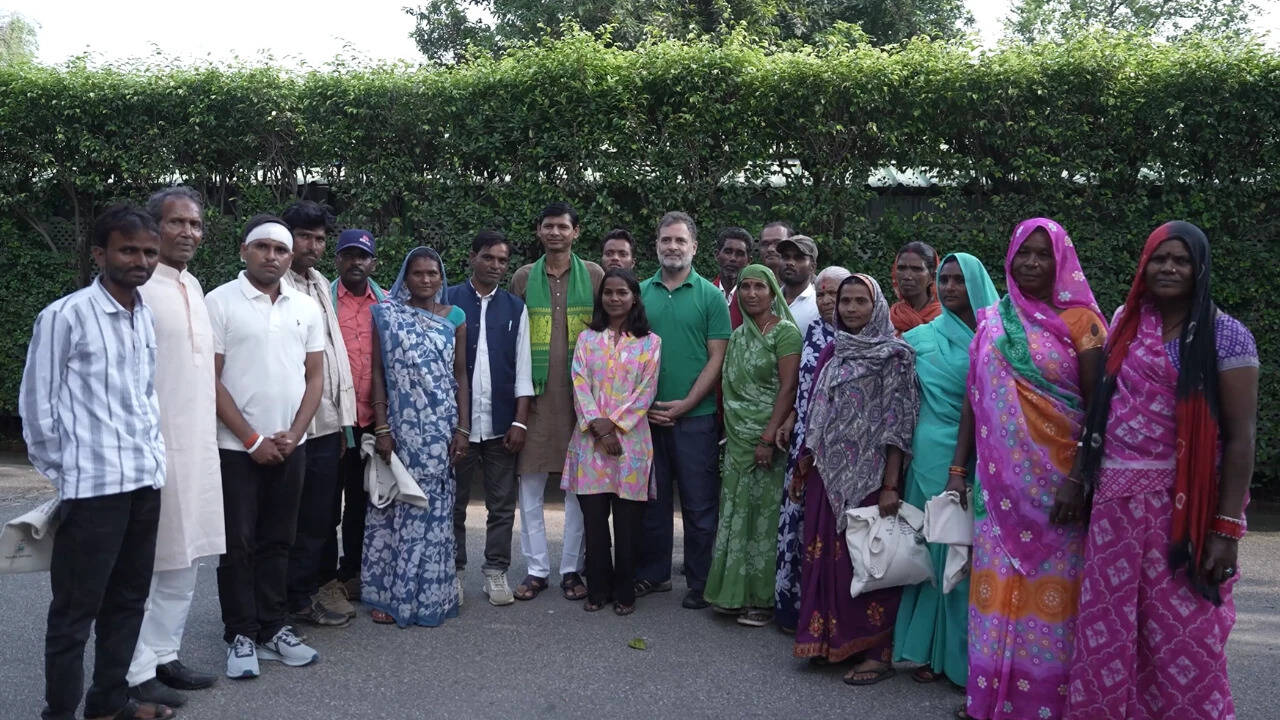
Congress leader Rahul Gandhi has expressed solidarity with tribal communities in Bundelkhand who have been holding a Satyagraha against the proposed Ken-Betwa river interlinking project. In a statement, Gandhi said he stands with the protestors in their demand for adequate compensation and dignified rehabilitation for families whose land is being acquired for the project.
The Satyagraha, which has been underway for over a month, is being led by tribal residents from the Panna and Chhatarpur districts of Madhya Pradesh. The protestors argue that the project, which intends to transfer water from the Ken river to the Betwa river, will displace thousands of tribal families and submerge large areas of forest, including parts of the Panna Tiger Reserve. They have been demanding a complete review of the project and a proper rehabilitation package before any further steps are taken.
Gandhi's intervention comes at a time when the protest has gained political attention. In a message to the agitators, he reportedly said, "I stand with them in their peaceful struggle for justice. The displacement of tribal communities without proper safeguards is unacceptable." He also urged the government to listen to the concerns of the local population and ensure that their rights over forest and land are protected.
The Ken-Betwa project, part of the central government's National River Linking Project, is designed to provide irrigation to the drought-prone Bundelkhand region, which spans parts of Madhya Pradesh and Uttar Pradesh. Proponents argue that the project will help mitigate water scarcity, boost agricultural productivity, and benefit millions of farmers. The government has stated that it will ensure all rehabilitation and environmental norms are followed.
However, environmentalists and civil society groups have long cautioned that the project could lead to significant ecological damage. The submergence of forest land in the Panna Tiger Reserve, one of India's better-known tiger habitats, has been a major point of contention. Tribals and forest dwellers, who depend on these lands for their livelihoods, face the risk of losing their homes and traditional means of survival. They have also complained that the compensation offered is grossly inadequate given the value of their ancestral land.
In recent weeks, the protestors have been joined by activists, farmers, and politicians from various parties. Several local leaders have also highlighted that the project has been planned without proper consultation with the affected communities, despite laws such as the Forest Rights Act, 2006, which requires prior informed consent from gram sabhas before any displacement.
The Madhya Pradesh government has maintained that the project is essential for the region's development and has assured that a detailed resetlement and rehabilitation package will be prepared. Officials say that negotiations with families will take place and that all due processes will be followed. However, protestors remain sceptical, pointing out that past development projects in the region have often failed to deliver on their promises.
As the Satyagraha enters its critical phase, Rahul Gandhi's support has, according to some observers, given the movement renewed momentum. The Congress leader is expected to address the issue in the coming days, possibly visiting the site of the protest. The central government, meanwhile, has not yet responded to the specific allegations raised by the tribals, but sources indicate that a review of the rehabilitation package is being considered.
The Ken-Betwa project thus represents a wider conflict between development aspirations and environmental and human rights concerns. While the government sees it as a vital infrastructure initiative, the tribal communities see it as a threat to their existence. The coming weeks will likely determine whether the demands of the protestors are met or whether the project proceeds as planned.







