PNGRB approves 1,800 km LPG pipeline network with ₹7,000 crore investment
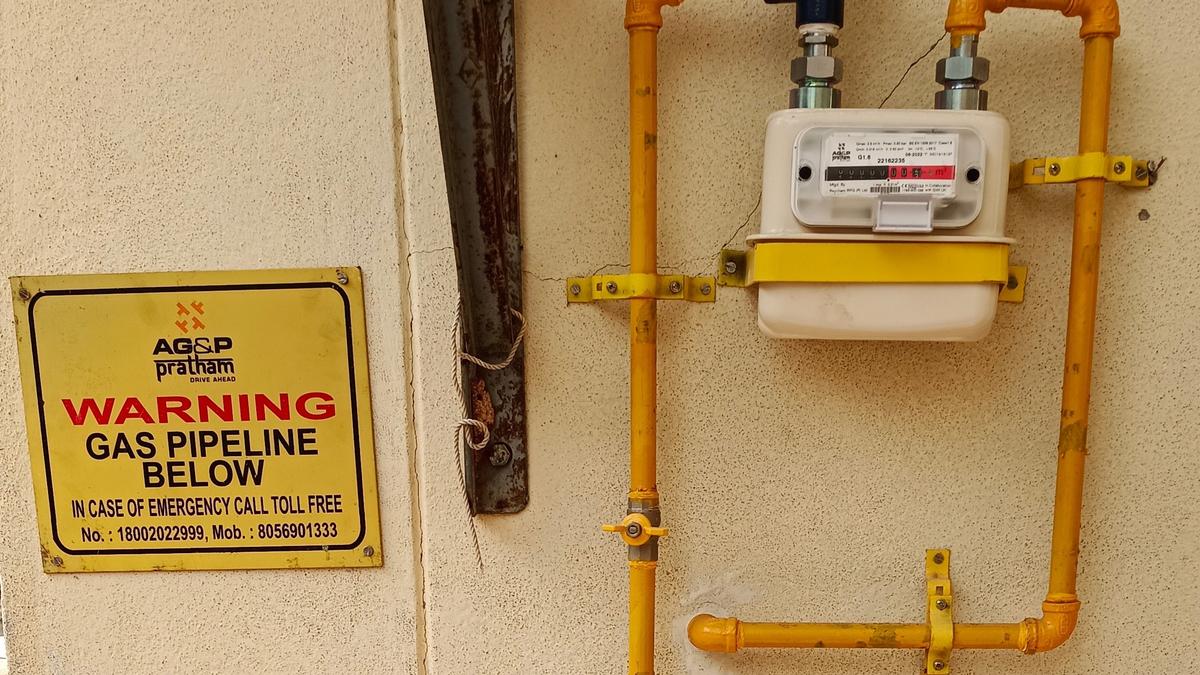
The Petroleum and Natural Gas Regulatory Board (PNGRB) has authorised the development of approximately 1,800 km of pipeline infrastructure for transporting Liquefied Petroleum Gas (LPG), the regulator announced on Friday. The projects, spread across six states, are expected to attract a capital investment of about ₹7,000 crore.
The sanctioned pipelines will pass through Telangana, Maharashtra, Uttar Pradesh, Uttarakhand, Karnataka, and Goa. State-owned gas distributor GAIL (India) Limited will develop these projects.
The three major pipelines approved are: the 556 km Cherlapally (Telangana) to Nagpur (Maharashtra) pipeline, the 611 km Jhansi (Uttar Pradesh) to Sitarganj (Uttarakhand) pipeline, and the 633 km Shikrapur (Maharashtra) to Goa and Hubli (Karnataka) pipeline.
Upon completion, these pipelines are expected to expand the country's LPG network by about 24 per cent, from the current 7,700 km to approximately 9,500 km. This expansion comes at a time when India relies heavily on imported LPG, with most imports arriving at coastal locations and then being transported to inland markets.
The regulator said that shifting LPG transport from roads to pipelines will have multiple benefits. “These projects will substantially reduce the movement of LPG tank trucks, thereby improving road safety, lowering logistics costs, reducing traffic congestion and significantly decreasing carbon emissions through a modal shift from road to pipelines,” the PNGRB stated.
It added that the extensive pipeline network would provide “inherent system resilience” by reducing dependence on road transport, which is vulnerable to disruptions. Pipelines offer a more reliable and continuous supply channel, crucial for a fuel that is essential for millions of households and businesses across India.
This approval is part of a broader push to strengthen the country's energy infrastructure. By expanding the pipeline grid, the government aims to ensure efficient, safe, and eco-friendly transportation of LPG, while also reducing the logistical burden on road networks.
The projects are expected to create employment opportunities during construction and contribute to the regional economy. The use of pipelines will also minimise product losses and ensure better quality control compared to conventional transport methods.
As India continues to increase its LPG consumption, driven by growing household usage and industrial demand, such infrastructure investments are vital. They not only improve supply reliability but also align with the country's commitment to reducing carbon emissions and enhancing overall energy security.







