PM Modi Marks 'Samvidhan Hatya Diwas', Calls Emergency an Assault on Constitution
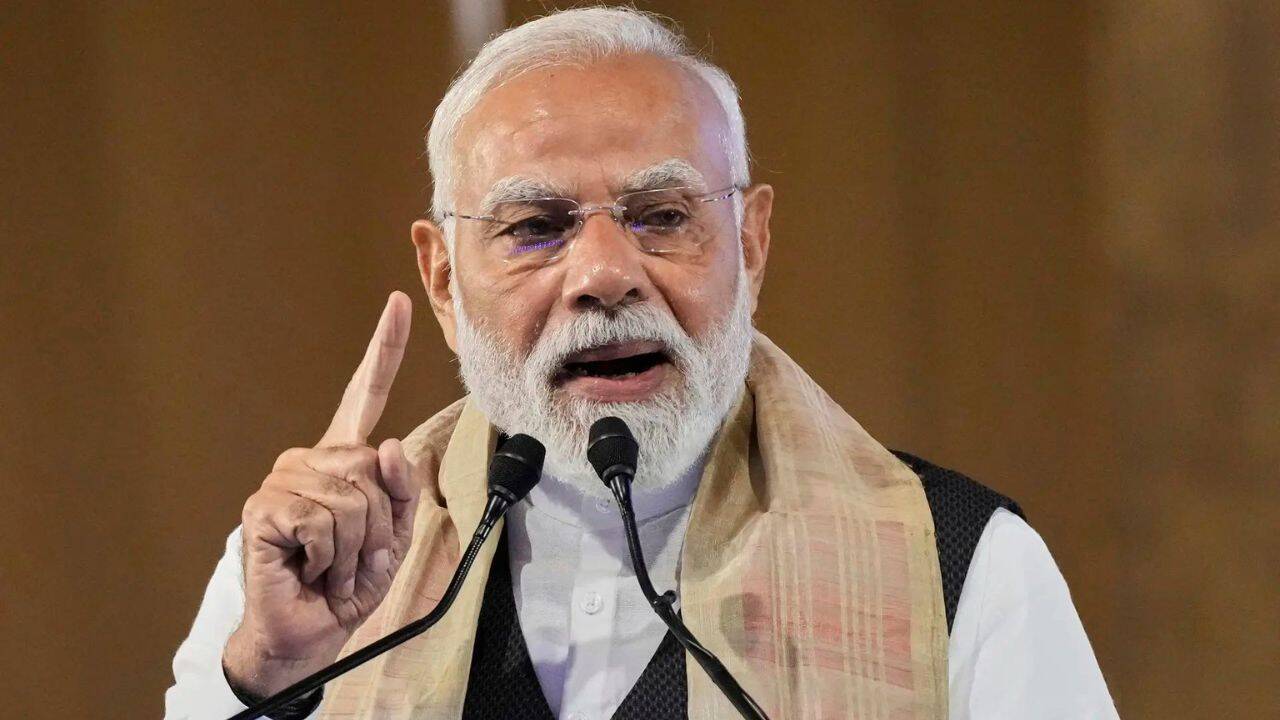
Prime Minister Narendra Modi and other Bharatiya Janata Party (BJP) leaders observed 'Samvidhan Hatya Diwas' (Constitution Murder Day) on June 25, marking the anniversary of the imposition of the Emergency in 1975. The day is observed by the BJP to commemorate what it describes as a 'dark chapter' in Indian democracy, when then-Prime Minister Indira Gandhi declared a national emergency, suspending fundamental rights and imposing censorship.
Addressing a gathering, PM Modi said the Emergency was a 'direct assault on our Constitution' and an attempt to stifle democracy. He urged citizens to remain vigilant against any such challenges to constitutional values. Other BJP leaders, including Home Minister Amit Shah and party president J.P. Nadda, echoed similar sentiments, with Shah stating that the Emergency was a 'blot on India's democratic history'.
The Emergency lasted from June 25, 1975, to March 21, 1977. During this period, civil liberties were curtailed, thousands of political opponents were arrested, and the press was heavily censored. The Constitution was amended to centralize power, and the judiciary was put under pressure. The Emergency remains a contentious topic in Indian politics, often invoked by parties to critique their opponents.
The observation of 'Samvidhan Hatya Diwas' is part of the BJP's political narrative to highlight the alleged authoritarianism of the Congress party, which was in power at the time of the Emergency. Critics, however, argue that the day is used for political point-scoring rather than a genuine reflection on constitutional values.
Constitutional experts note that the Emergency was a pivotal moment in India's history, leading to a greater awareness of constitutional safeguards. The 44th Amendment, passed in 1978, sought to prevent the recurrence of such a situation by making it harder to impose a national emergency.
As India marks this day, the focus remains on the resilience of its democratic institutions and the importance of protecting constitutional liberties. The event serves as a reminder of the need for constant vigilance against any threats to the democratic framework.