PM Modi Faces First Broad-Based Protest as Diverse Crowd Gathers at Jantar Mantar
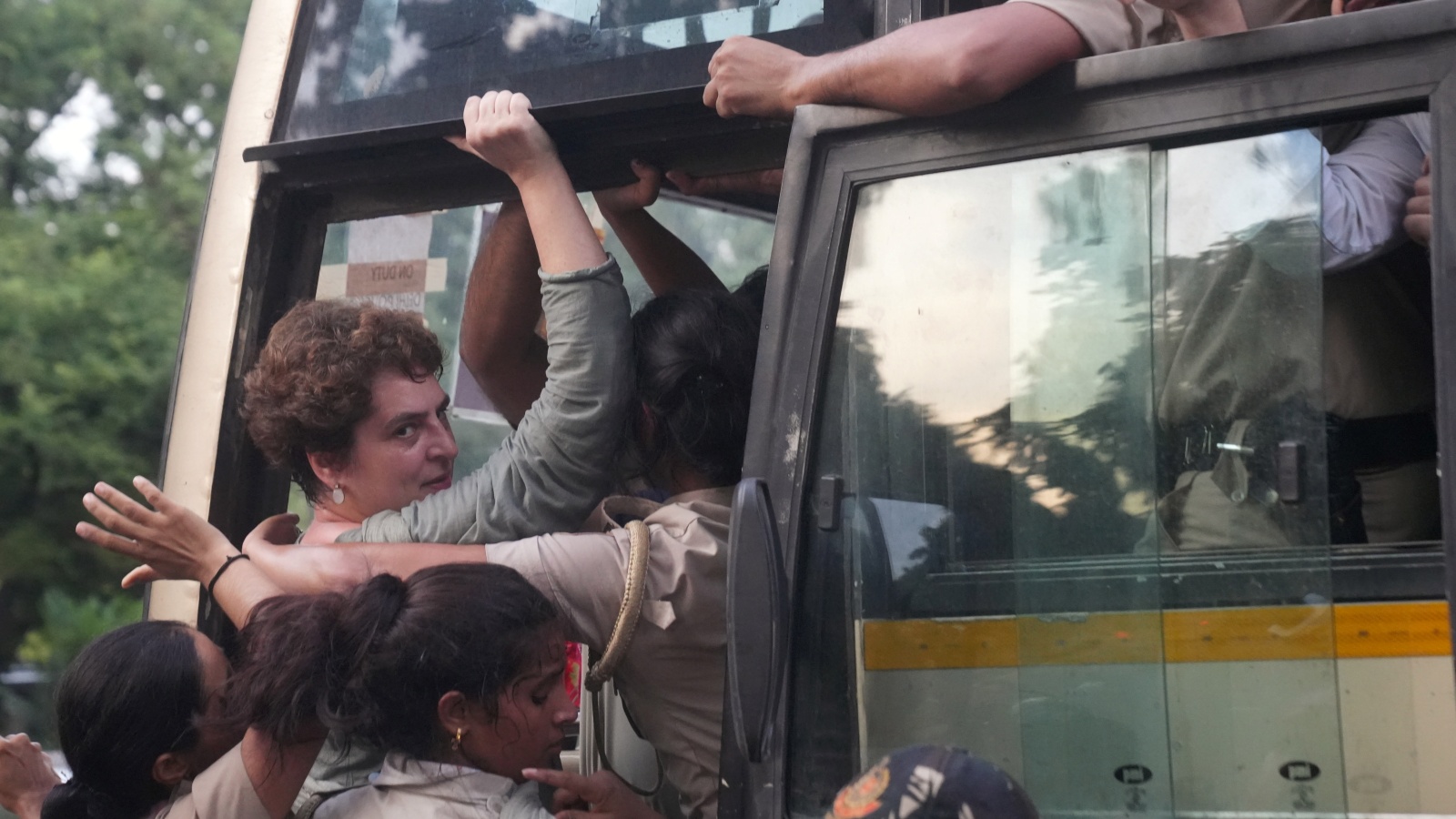
On Tuesday, the protest site at Jantar Mantar in Delhi saw a large, diverse crowd a day after a police crackdown on a march by the Cockroach Janata Party (CJP). Prime Minister Narendra Modi is now facing what observers describe as his first broad-based protest movement, distinct from previous protests by specific interest groups.
The crowd included young people with bandages from Monday's clashes, as well as newcomers from Delhi and other states who were motivated by visuals of the violence. The protesters were predominantly young, Hindu, and from northern India, though some from the south were also present.
Many protesters cited concerns over competitive exam reforms and demanded the resignation of Education Minister Dharmendra Pradhan. Seema Sharma, a mother from Haryana living in Delhi, said she was hit by a police baton on Monday and was protesting for her children's future. Abhijit Kumar, a student from Bihar studying in Punjab, said he came after seeing Monday's visuals.
The protest has moved beyond the CJP's direct mobilization. Sonam Wangchuk, an activist known for his apolitical stance, has become a distant figure for some, but the movement has taken on a life of its own.
Political responses have been varied. BJP sources expressed surprise at the turnout but downplayed its significance, suggesting the mobilization via Instagram reels would fade. However, some within the party acknowledged potential damage among core voters in northern India. The Congress party has been lukewarm, with some expressing scepticism about Wangchuk's ideology and viewing it as a diversion from Rahul Gandhi's campaigns.
The protest continues to draw attention as it represents a new challenge for the Modi government, with broad-based discontent over education issues.


