PM Modi Calls for Chemical-Free Farming to Tap Global Agri Market
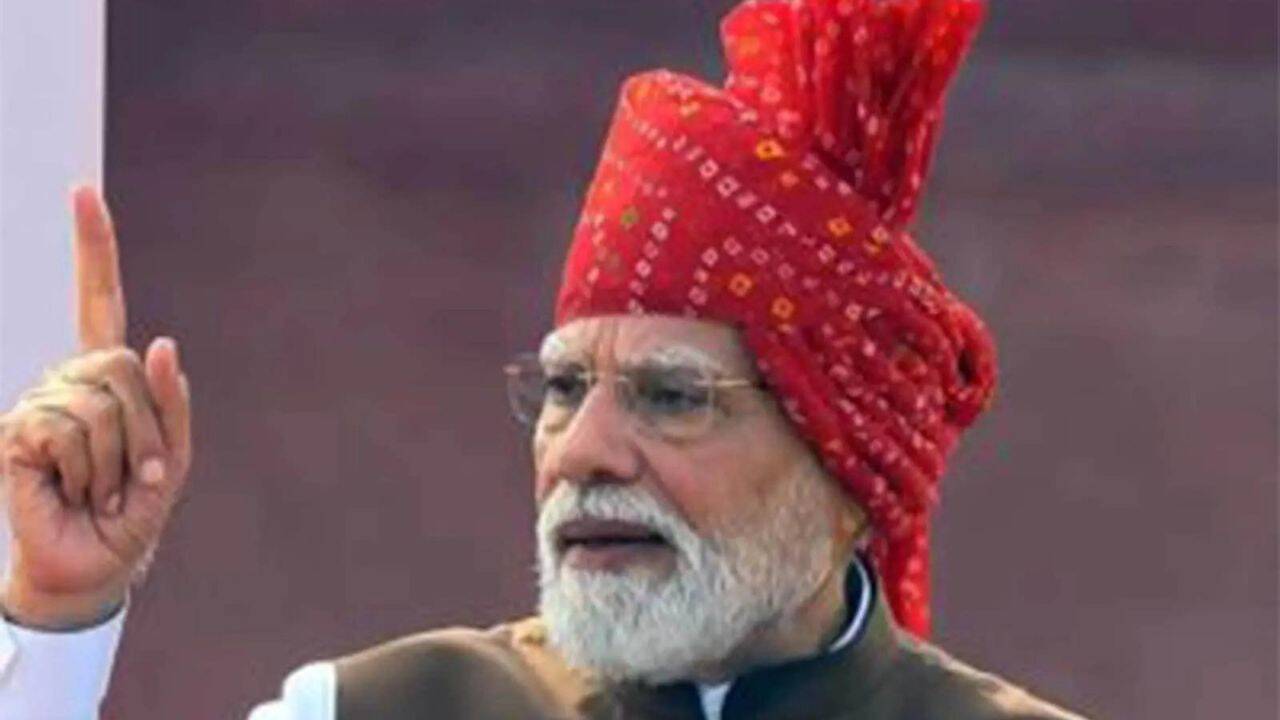
Prime Minister Narendra Modi has called upon farmers to transition to chemical-free agriculture as a strategy to unlock opportunities in the global market. Addressing the issue, he underscored the increasing international preference for organic and natural food products and said India could emerge as a major supplier by adopting sustainable farming methods.
"Go chemical-free to tap the global agri market," the Prime Minister said, urging the agricultural community to consider organic practices not just as a health choice, but as an economic opportunity.
This call assumes significance as India, one of the world's largest agricultural producers, seeks to enhance its footprint in global agri-trade. The country has already made notable strides in organic farming, with states like Sikkim having achieved full organic status and others like Uttarakhand and Madhya Pradesh promoting natural farming on a large scale.
The government's efforts in this direction have been systematic. In October 2024, the Union Cabinet gave its approval to the National Mission on Natural Farming (NMNF), a centrally sponsored scheme with an outlay of ₹2,481 crore. The mission aims to promote chemical-free farming among 10 million farmers and bring at least 7.5 lakh hectares of land under natural farming within two years. It builds on the informal adoption of natural farming techniques by around 8 million farmers, a figure the government expects to grow significantly.
The global organic food market has been expanding at a healthy pace, driven by rising health consciousness and environmental awareness. Countries in North America, Europe, and East Asia are increasingly seeking certified organic products. India, with its rich agro-biodiversity and cost advantages, is well-positioned to cater to this demand. The country's organic exports have grown manifold in recent years, encompassing a wide range of items including spices, tea, coffee, cereals, oilseeds, and processed foods.
However, the transition from chemical-based to natural farming is not without hurdles. Experts and farmer organisations have pointed to several challenges, including the initial decline in yields, the requirement for rigorous certification, and the lack of robust supply chains. There are also concerns about the premium for organic products not always reaching farmers, especially smallholders. Government support in the form of training, credit, and market linkage is crucial to overcoming these obstacles.
Prime Minister Modi, in his remarks, acknowledged these realities and assured stakeholders that the administration would provide full support. He emphasised the importance of farmer producer organisations and cooperatives in aggregating outputs and connecting with buyers both domestically and internationally. He also highlighted the role of technology, digital platforms, and food processing in adding value to organic produce.
Beyond trade, the push for chemical-free agriculture is closely aligned with environmental sustainability. Chemical-intensive farming is known to degrade soil health, pollute water bodies, and contribute to greenhouse gas emissions. Natural farming methods, which rely on local resources such as cow dung and bio-cultures, enhance soil fertility and biodiversity. This makes them a viable climate-resilient alternative, particularly for rain-fed and smallholder farms.
India's commitment to natural farming is also reflected in its international engagements. The country has initiated dialogues with other developing nations to share its experiences, and global bodies have taken note of India's ambitious targets. A successful transition could not only boost India's agri-exports but also set a precedent for sustainable agriculture worldwide.
Nonetheless, policymakers must remain mindful of the need to ensure that natural farming contributes to food security. Achieving higher productivity without chemical inputs requires scientific interventions, such as improved varieties, efficient water management, and integrated pest management. Research institutions thus have a pivotal role to play.
As the world moves towards more sustainable and ethical food systems, India's efforts to position itself as a producer of chemical-free and environmentally friendly agricultural goods appear timely. The realisation of this vision, however, depends on effective implementation, continuous innovation, and the genuine empowerment of India's 140 million farm families.
Based on the Prime Minister's public address and official government announcements.







