Personalised cancer vaccine meets key goals in late-stage melanoma trial
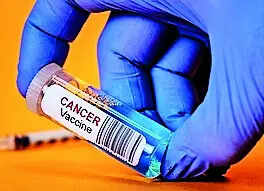
NEW DELHI: A personalised cancer vaccine, developed by Moderna and Merck, has met its primary and key secondary goals in a large Phase-3 trial involving patients with high-risk melanoma, a potentially aggressive form of skin cancer. The companies said the vaccine, when used alongside the immunotherapy drug Keytruda, helped keep the cancer from returning or spreading to distant parts of the body.
The trial, named INTerpath-001, enrolled 1,137 patients whose tumours had been completely removed through surgery. Participants received either the personalised mRNA vaccine, known as intismeran autogene, along with Keytruda, or Keytruda alone. The combination improved the time patients remained free of cancer recurrence and also reduced the risk of the cancer spreading to distant organs, according to a statement from Moderna.
Unlike preventive vaccines, this is a therapeutic vaccine designed for people who already have cancer. It is tailored to each patient's tumour by targeting specific mutations in their cancer cells. Keytruda, which is already approved for several cancers, helps the body's immune system recognise and attack cancer cells. Together, the two treatments aim to strengthen the immune response against the cancer.
The results sent Moderna's shares to a two-year high of $140.19 on Wednesday, with the company poised to gain about $30 billion in market value, as investors reacted to the promising late-stage data. However, stock market movements reflect investor sentiment and do not confirm the therapy's clinical validity or regulatory approval.
Dr Mandeep Singh Malhotra, an oncologist at Art of Healing Cancer in India, called the development an important advance in personalised cancer treatment. But he noted that affordability and access would be major challenges in India, where such therapies are likely to be expensive and require specialised infrastructure.
Experts stress that the trial results, while encouraging, have not yet been published in a peer-reviewed journal. Regulatory review is still needed before the vaccine can be made available to patients. The companies have said they plan to discuss the data with health authorities and present the findings at an upcoming medical conference.
This is the first late-stage trial to show a benefit for a personalised mRNA cancer vaccine in melanoma, a field that has seen decades of research. If approved, the therapy would mark a significant step forward in the treatment of cancers that are hard to control. But for now, it remains an investigational therapy.







