Patna High Court Bans Media from Labeling Accused 'Mastermind' Before Conviction
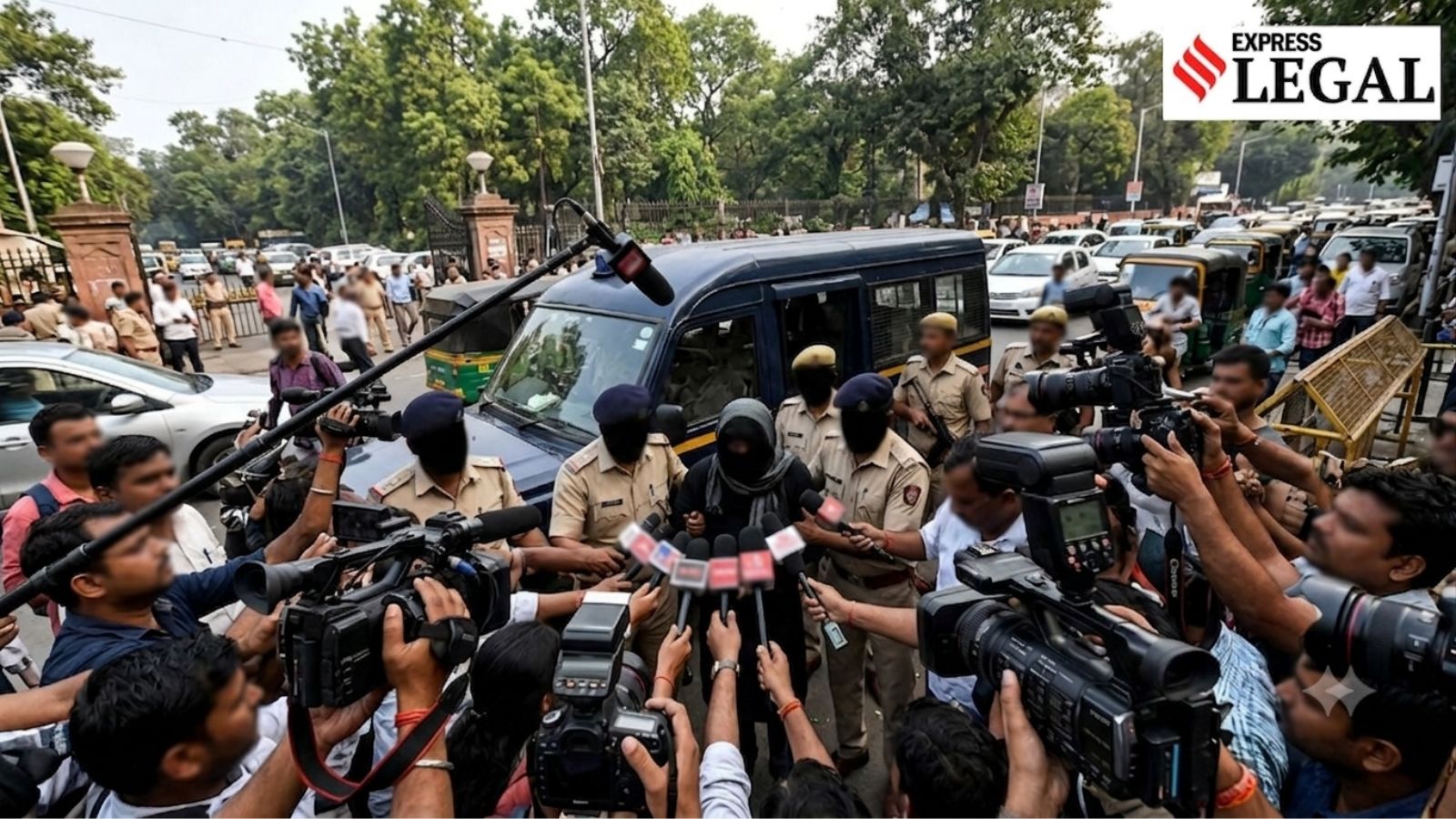
The Patna High Court has ruled that the media cannot use terms like 'mastermind', 'kingpin', or 'scamster' to describe an accused person until a court has proven their guilt. Justice Ansul, hearing a petition on June 24, stated that such language amounts to pre-judging a criminal case and violates the accused's right to a fair trial.
The court was addressing a petition filed by Rishu Shree, who sought to quash criminal proceedings initiated by the Special Vigilance Unit (SVU) in 2025. The petitioner argued that extensive media coverage—including television debates, newspaper articles, and social media posts—had portrayed him as guilty before the trial began, thereby prejudicing public opinion and potential witnesses.
In its order, the high court balanced the constitutional guarantee of a free press with the accused's right to a fair trial. It clarified that factual, objective reporting of court proceedings and investigations remains permissible. However, it directed all media platforms—print, electronic, digital, and social—to refrain from using expressions that impute criminal guilt before a judicial determination.
“Maligning the image of a person who is yet to be held guilty may come within the ambit of a defamatory, immoral, or indecent act. This is pre-judging the issue when the matter is sub judice,” the court observed.
The case gained significance amid ongoing high-profile investigations that dominate news cycles, raising concerns about 'trial by media.' The court's order seeks to draw a line between legitimate reporting and prejudicial coverage.
During the hearing, the Enforcement Directorate (ED) noted that it had not been made a party in the current proceedings, despite being impleaded in an earlier related case. The court directed the petitioner to add the ED as a respondent and granted time for both the ED and SVU to file counter-affidavits. Additionally, the court asked the SVU to explain why raids were conducted more than a year after the FIR was registered.
The petitioner's counsel, senior advocate Nandita Rao and advocate Arshdeep Khurana, argued that searches conducted on May 27, 2026, yielded no incriminating evidence. Yet, after the arrest, media outlets broadcast one-sided narratives and unverified allegations, condemning and vilifying the petitioner without giving him a chance to present his side. The plea contended that such coverage influenced public opinion, prejudiced witnesses, and created an atmosphere hostile to a fair trial.
The high court's ruling reinforces the principle that an accused is presumed innocent until proven guilty, and the media must respect that presumption while exercising its freedom.







