Passport vs Citizenship: What Indian Law Really Says
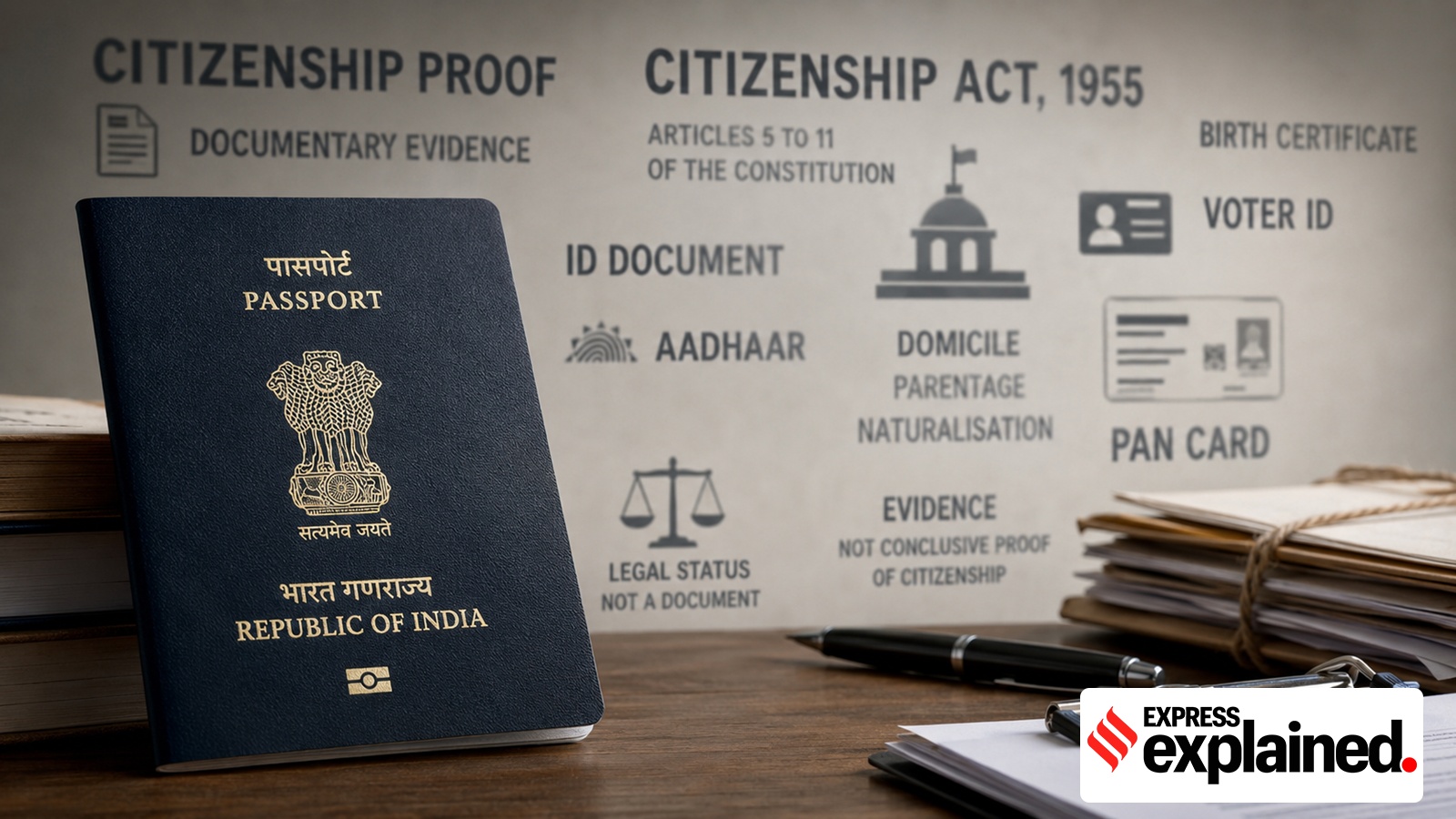
The Ministry of External Affairs (MEA) recently clarified that an Indian passport is primarily a travel document, not a standalone proof of citizenship. This statement, made on Passport Seva Divas, caused widespread confusion among citizens who consider the passport as the most authoritative document of identity.
However, the MEA's clarification is consistent with long-standing legal principles. Citizenship is a legal status arising from facts such as birth, parentage, domicile, or naturalisation — not from a single document. Articles 5 to 11 of the Constitution and the Citizenship Act, 1955 define who is an Indian citizen, but neither identifies any specific document as conclusive proof of citizenship.
The government has maintained this position consistently. In a parliamentary reply in February 2020, the Ministry of Home Affairs stated that citizenship acquisition is governed by the Citizenship Act, 1955, and did not list Aadhaar, passport, voter ID, PAN card, or birth certificate as citizenship documents.
Yet, in practice, passports are among the strongest pieces of evidence of citizenship, as they are issued only after verification and are accepted internationally. The complexity arises from Section 20 of the Passports Act, which allows the government to issue passports to non-citizens in public interest — for instance, to stateless individuals or refugees needing to travel.
Historically, Tibetan refugees and Sri Lankan Tamils in India have received special travel documents under this provision. In 2023, the Madras High Court directed the government to grant a passport to a Sri Lankan Tamil refugee under Section 20.
This principle is not unique to India. In the United Kingdom and the United States, passports are issued based on a prior determination of citizenship, not as proof of citizenship itself. The difference lies in robust civil registration systems and clearer documentation for naturalised citizens.
For most Indians, the passport remains the most reliable document for proving citizenship in everyday situations, but legally, citizenship is a status that must be established through multiple documents and facts. Understanding this distinction is crucial to avoid misconceptions about identity and nationality.