Passport is a travel document, not proof of citizenship: MEA clarification sparks debate
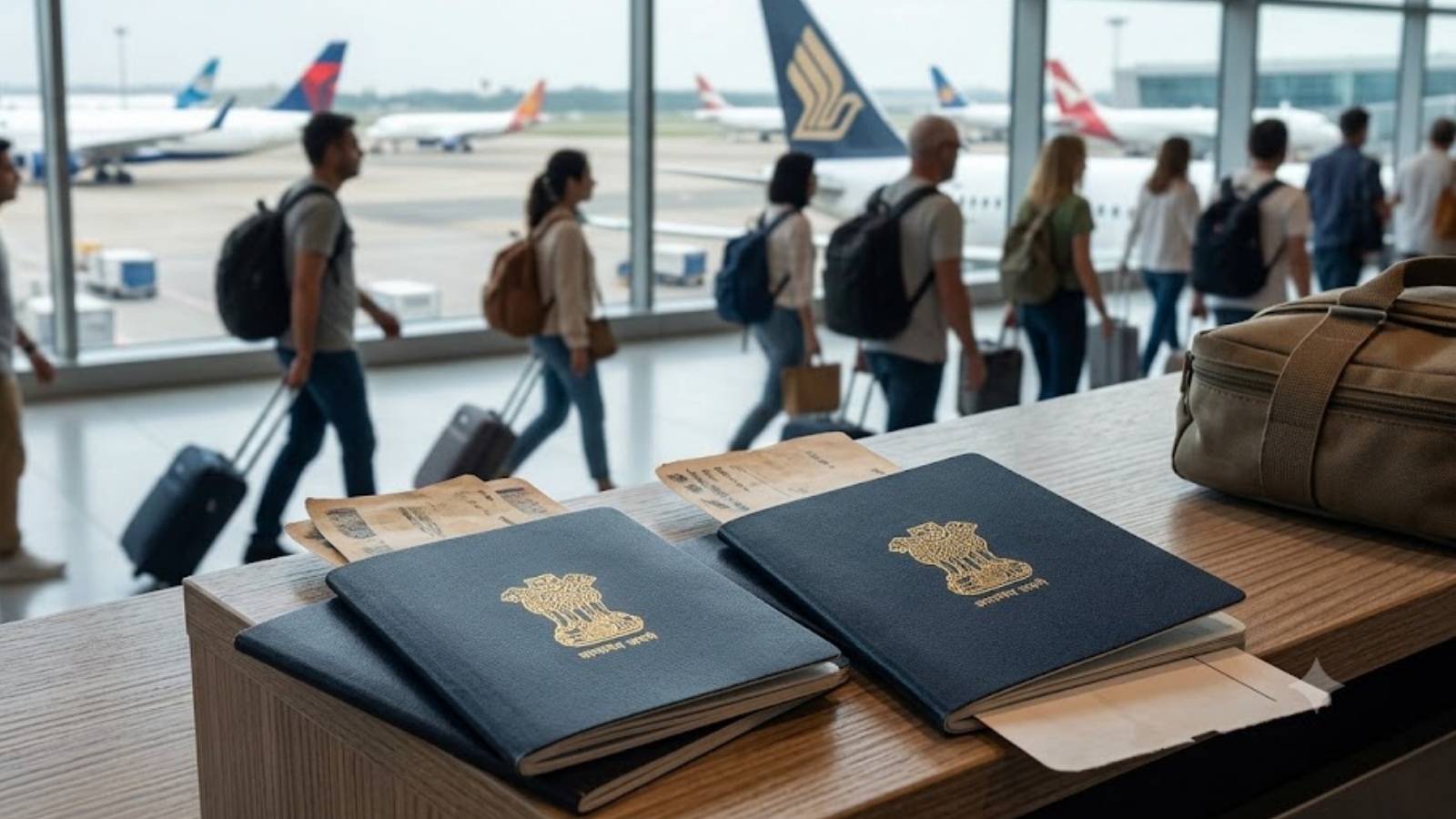
The Ministry of External Affairs (MEA) has clarified that an Indian passport is primarily a “travel document” and not conclusive proof of citizenship, sparking broader questions about nationality and identity in India.
In a statement on June 24, the MEA said, “A passport is a travel document, and not a document of citizenship.” This prompted Rajya Sabha member Kapil Sibal to ask what constitutes proof of citizenship for Indians.
A passport is the primary document that allows Indians to travel internationally. According to former Indian diplomat Veena Sikri, “The Ministry of Home Affairs (MHA) alone has the authority to grant and determine citizenship. The Ministry of External Affairs cannot make that determination because citizenship falls outside its jurisdiction.”
In simple terms, while the MEA issues passports, the MHA frames citizenship rules and decides citizenship-related matters under Indian law.
What a passport actually does
It is often assumed that because obtaining a passport requires extensive documentation and police verification, it automatically becomes proof of citizenship. Sikri agreed that passports are issued only after rigorous checks but stressed that their legal purpose remains different.
“A passport serves as a travel document and a document of nationality for international travel, but it is not, in itself, a legal document that confers citizenship,” she told The Indian Express.
When an Indian traveller presents a passport at a foreign immigration counter, the document is accepted because it has been issued by the Government of India. “The passport establishes that the holder is travelling under Indian nationality and that the Government of India has verified the person’s credentials before issuing it,” she said.
However, it does not independently create or grant citizenship, which refers to a legal status arising from facts such as birth, parentage, domicile or naturalisation.
Difference between nationality and citizenship
One reason the controversy has gained traction is that passports are routinely used to establish nationality abroad in a practical sense. Sikri said that when travellers present an Indian passport at immigration counters overseas, foreign governments accept it because it has been issued by the Government of India.
However, foreign governments do not determine who is or is not an Indian citizen. They rely on India’s legal framework and documentation standards for the narrower purpose of travel.
Sikri noted that passports can also be revoked if they are found to have been obtained fraudulently. In such cases, Indian authorities can cancel the document and initiate legal action, underscoring the fact that citizenship status and passport issuance are governed by separate legal processes.
Travel industry expert Rahul Lekhi said the MEA’s clarification has puzzled many citizens because of its practical association with nationality. “Passports are not issued casually. Applicants must provide various documents and undergo verification before receiving one,” he said.
Lekhi also noted that at airport check-in counters and immigration desks, travellers are routinely identified by the passport they carry. “When you are asked to state your nationality while travelling internationally, it generally corresponds to the passport you hold,” he said. “That is why many people find it difficult to separate the concepts of passport, nationality and citizenship.”
What documents determine Indian citizenship, then?
According to Sikri, questions about which documents legally establish Indian citizenship fall under the purview of the MHA. The Citizenship Act, 1955, and the Citizenship Rules outline the criteria and procedures for determining citizenship. Documents such as birth certificates, domicile certificates, and naturalisation certificates can serve as proof, but each case is assessed individually by the competent authority.
The MEA’s clarification underscores the distinct legal roles of different government ministries and serves as a reminder that a passport, while essential for travel, does not replace formal citizenship documentation.