Parliament Monsoon Session: Both Houses Adjourned Amid Opposition Protests Over NEET, Ram Temple Issues
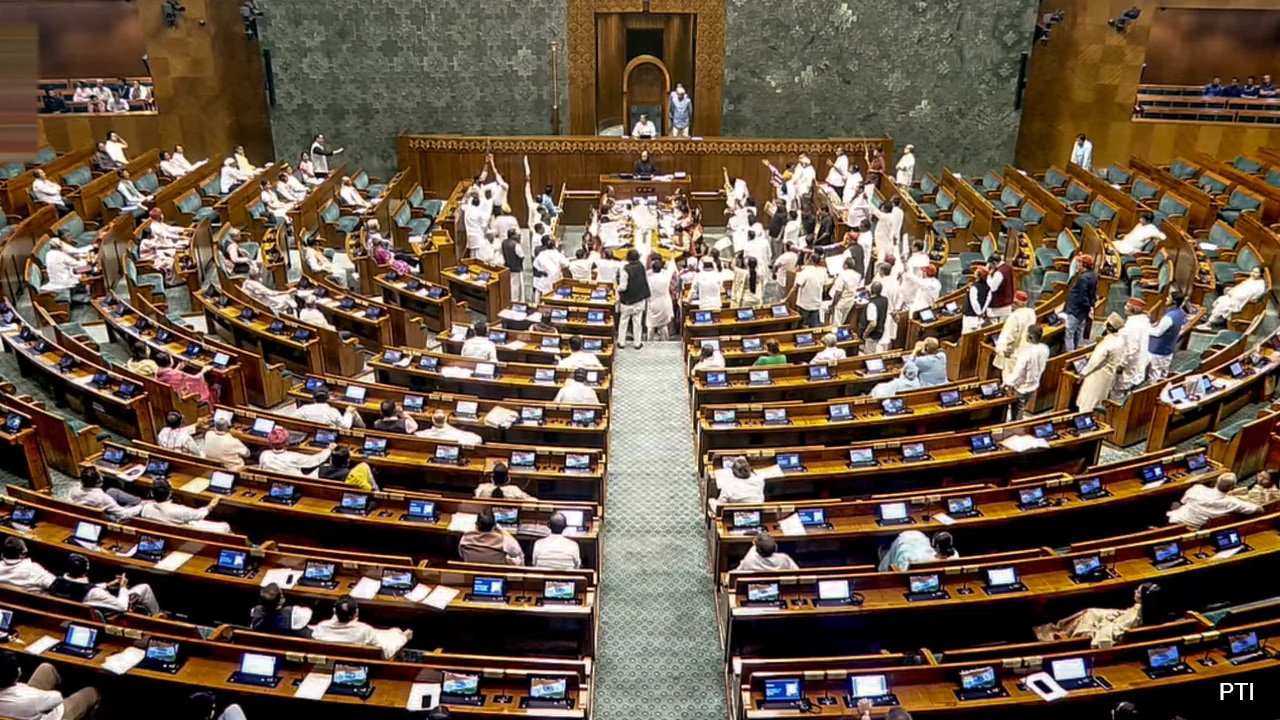
New Delhi: The Monsoon Session of Parliament witnessed another day of disruption on Monday, with both the Lok Sabha and the Rajya Sabha being adjourned after Opposition MPs protested over a range of issues. The Lok Sabha was adjourned till 2 pm, while the Rajya Sabha was adjourned till 12 noon, as members from Opposition parties raised slogans and demanded responses from the government on matters including police action against student protesters and alleged theft of donations at the Ram Temple in Ayodhya.
The protests, led by the Congress party and supported by other Opposition groups, have been ongoing since the start of the Monsoon Session on July 20. The Opposition has been demanding a statement from Home Minister Amit Shah on the police action against students who were demonstrating against the alleged NEET paper leak last month. Additionally, they have sought clarity on reports of misappropriation of funds donated to the Ram Temple.
In the Lok Sabha, proceedings were disrupted from the outset, with Opposition members crowding the well of the House and shouting slogans. The Speaker's repeated appeals to restore order went unheeded, leading to the adjournment. This disruption has had a significant impact on parliamentary business. Notably, the Question Hour, a crucial segment of parliamentary proceedings where members ask questions of ministers, has not been completed for three consecutive weeks. Monday marked the 16th day that the Question Hour could not be conducted.
The Rajya Sabha similarly saw unruly scenes, with Opposition MPs pressing for discussions on the same issues. The Deputy Chairman's attempts to placate the members were unsuccessful, resulting in the House being adjourned until noon. Later, when the House reassembled, the situation remained unchanged, and the adjournment was extended.
The recurring disruptions have raised concerns about the effectiveness of the ongoing session. Question Hour is considered an essential tool for legislative oversight, allowing members to seek accountability from the executive. Its repeated failure has drawn criticism from parliamentary experts and civil society groups, who argue that the inability to conduct routine business undermines the democratic process.
The issues raised by the Opposition are not new. The NEET paper leak allegations have been a point of contention for weeks, with student groups staging protests in several cities. The government has denied any deliberate leak and has initiated investigations. The police action against protesting students in the national capital, however, drew widespread condemnation from Opposition parties, who accused the government of curbing dissent.
On the Ram Temple issue, reports emerged suggesting that a portion of the donations collected for the temple's construction was missing. The temple trust has denied any wrongdoing, but the Opposition has demanded a thorough inquiry. The matter has also reached the courts, with a petition seeking an investigation into the alleged theft.
As the Monsoon Session progresses, the impasse between the government and the Opposition shows no signs of resolution. The government has maintained that it is ready to discuss issues in accordance with parliamentary rules, but has criticised the Opposition for not allowing the House to function. Opposition leaders, meanwhile, insist that their demands are legitimate and that the government must address them before normal business can resume.
Parliamentary affairs experts note that such prolonged disruptions are not uncommon in recent years, but they warn that the continued stalemate could lead to a backlog of legislative work. Several bills that were slated for discussion during this session remain pending, and the government may seek to pass them in a hurried manner later, which could further inflame tensions.
The situation is fluid, with both Houses expected to reconvene later in the day. Whether any headway is made will depend on the willingness of both sides to engage in dialogue. For now, the nation watches as its elected representatives struggle to find common ground on issues that have deeply polarised the political landscape.