Pakistan PM Warns Escalating West Asia Conflict Could Hit Economy
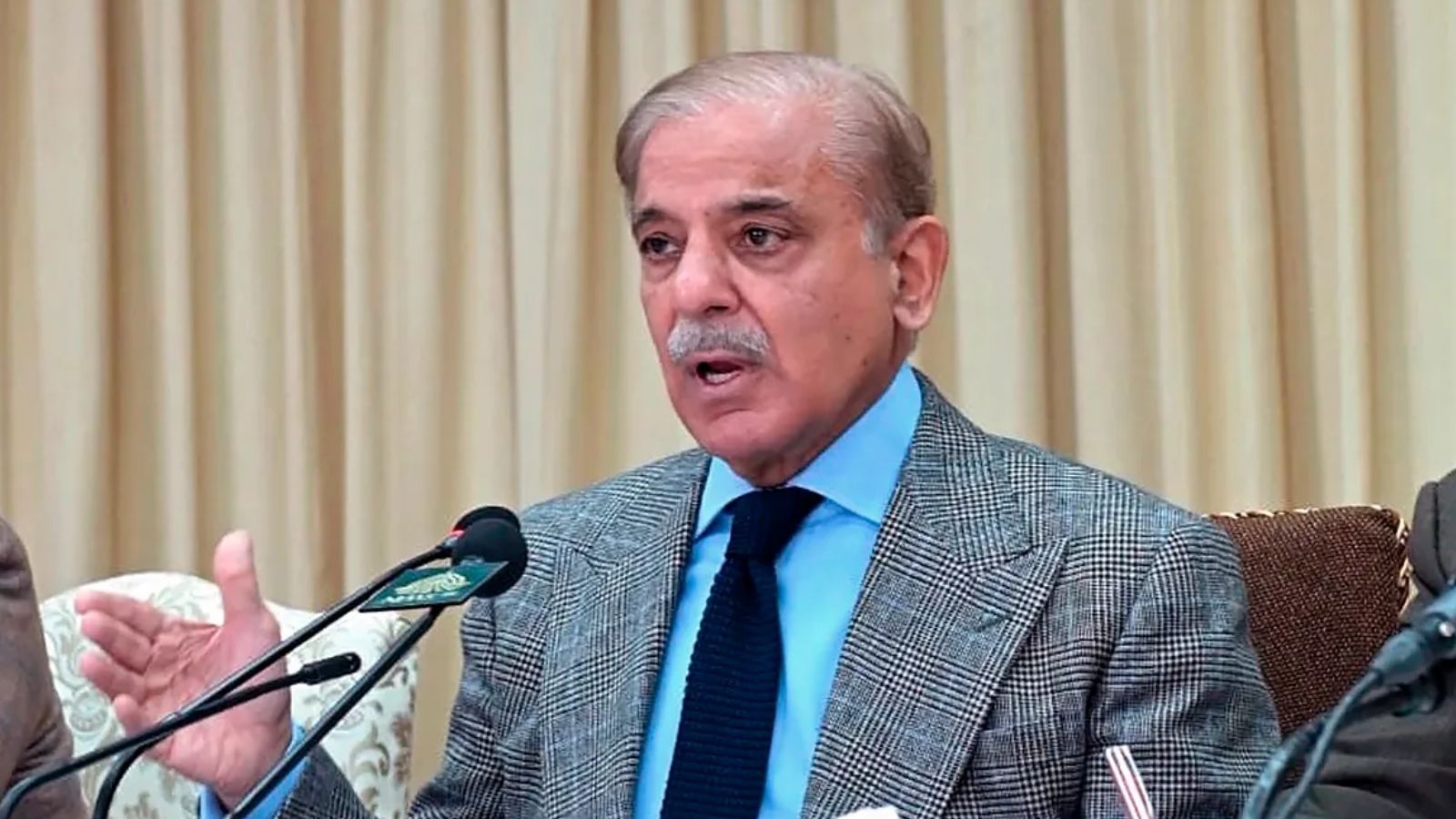
Islamabad, Pakistan – Prime Minister Shehbaz Sharif has expressed concern that the renewed tensions in West Asia could deal another blow to Pakistan's fragile economy. Chairing a high-level meeting on Tuesday, Sharif directed authorities to maintain full preparedness to tackle potential challenges arising from the escalating conflict between the United States and Iran.
According to a statement from the Prime Minister's Office, a report on austerity and cost-cutting measures was presented during the meeting. The prime minister stressed that 'given the prevailing uncertainty in the region, full preparedness must be maintained to tackle any potential challenges.'
This is the second time since the outbreak of hostilities in West Asia that Sharif has called for caution in resource management. He acknowledged the public's support for the previous austerity drive launched in March, shortly after the US-Iran conflict began in late February. The prime minister noted that the national economy is currently stable but warned that the negative impacts of escalating tensions could affect it in future.
The meeting confirmed that adequate reserves of petroleum products are available to meet national requirements, and supply for the future has been ensured. Sharif added that a comprehensive strategy would be formulated to ensure timely measures if needed. In a post on X (formerly Twitter), the Prime Minister's Office stated that due to government subsidies, the effects of the increase in fuel prices have been effectively controlled.
Sharif said, 'Timely and effective government strategies ensured the optimal management of the country's fuel supply situation. The government has provided protection to the common man, motorcyclists, rickshaw drivers, and transporters. Just as the public extended its full support during the previous austerity drive, a culture of frugality must now be adopted at the national level.'
The US military announced that it had successfully completed its latest major wave of strikes against Iranian targets, marking the sixth consecutive night of American attacks. The strikes involved fighter jets, aerial drones, and warships hitting dozens of Iranian military positions. In response, Iran launched missiles and drones targeting US military bases in neighbouring countries, including a recently expanded air base in Jordan. Tehran claimed that the Jordanian base had been used in a US strike on an Iranian children's cancer hospital.
Iran has refused any fresh rounds of talks as long as the US continues its attacks. The situation remains volatile, with both sides showing no signs of de-escalation. Pakistan, which shares borders with both Iran and Afghanistan, is particularly vulnerable to spillover effects from the conflict, including potential disruptions to trade, energy supplies, and regional stability.
Economists have warned that any prolonged conflict could further strain Pakistan's already struggling economy, which is grappling with high inflation, a balance-of-payments crisis, and the aftermath of devastating floods. The government's focus on austerity and fuel management aims to cushion the impact, but the outlook remains uncertain.