Pakistan-administered Kashmir heads to polls amid protests and economic unrest
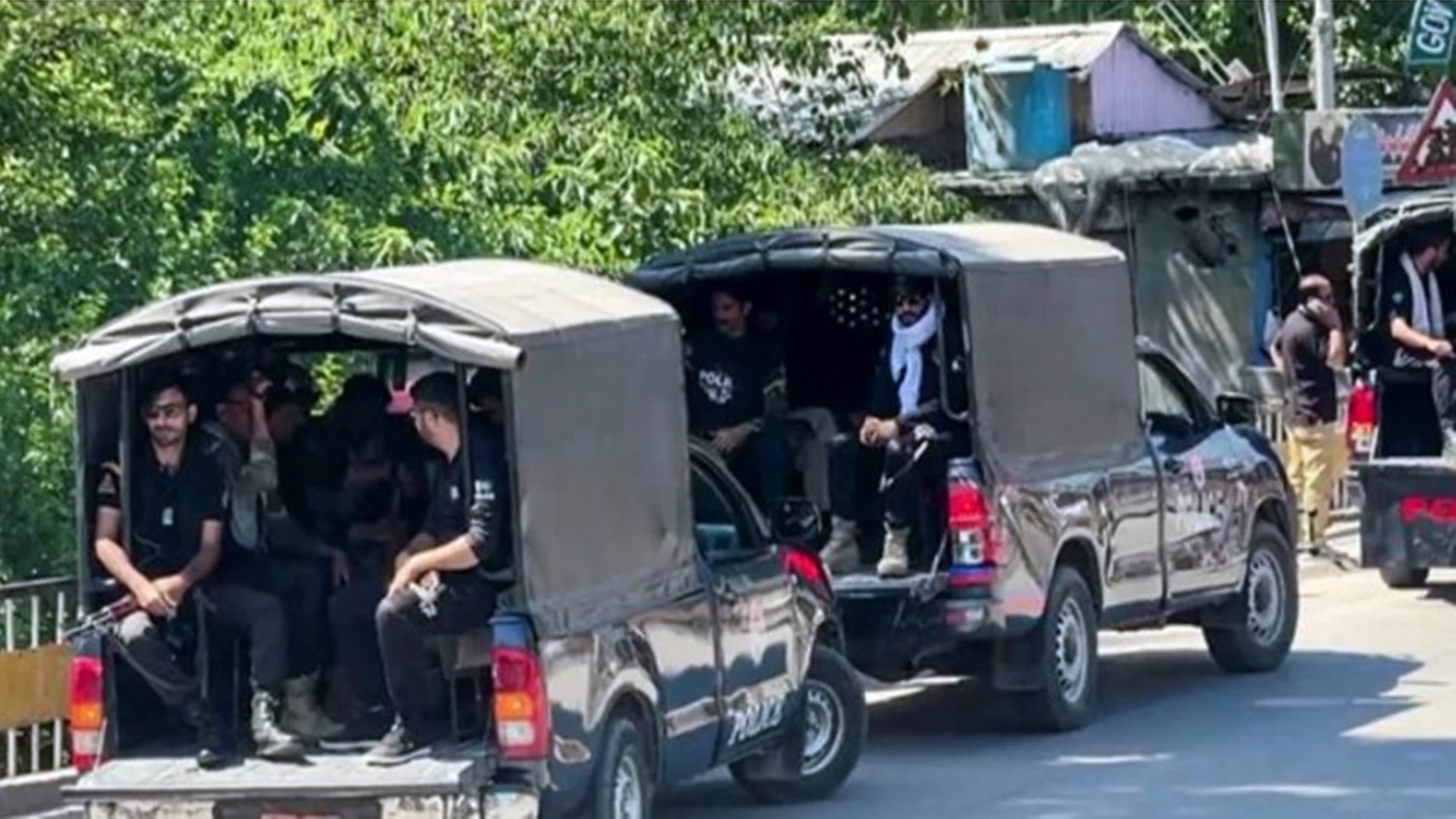
Elections for the legislative assembly in Pakistan-administered Kashmir begin on Monday, scheduled in three phases ending on August 10. The polls come after weeks of violent protests and clashes that have left at least 20 people dead, according to news agency PTI.
Unrest has been brewing for over a year, driven by economic hardship, political disenfranchisement, and restrictions on civil liberties. The civil society coalition Joint Awami Action Committee (JAAC), now banned by the Pakistan government under anti-terrorism laws, has led the latest demonstrations.
One major point of contention is the 12 legislative assembly seats reserved for non-residents. A source in the security establishment told PTI these seats are seen as a tactic to dilute local representation. Of the 53 seats, eight are reserved for women, technocrats, and clerics, while 45 are general seats—of which 12 are reserved for migrants settled elsewhere in Pakistan. Local residents demand abolition of these reserved seats.
Protesters also highlight an economic blockade that has caused shortages of subsidised wheat and essential medicines. They allege that hydroelectric dams in the region generate power far beyond local demand, yet residents face 15–20 hours of load shedding and high tariffs. A 38-point charter of demands targets alleged financial corruption and privileges of the ruling elite.
The government of India maintains that the region is an integral part of India under illegal occupation. The Ministry of External Affairs stated that the unrest is a direct result of “Islamabad’s decades-long systemic economic exploitation, denial of fundamental rights, and administrative oppression.” On July 14, MEA Spokesperson Randhir Jaiswal said authorities have resorted to “excessive police brutality” and called on the international community to hold Pakistan accountable.
The United Nations Office of the High Commissioner for Human Rights on July 17 called for “prompt, thorough and impartial investigations into all deaths” related to the unrest.
The latest escalation followed the ban on JAAC. Its leader, Sardar Aman Khan, has appealed for assistance from India, citing shortages of food and medicine.