Owaisi, DMK target BJP: Allegations over minority worship, Vande Mataram bill
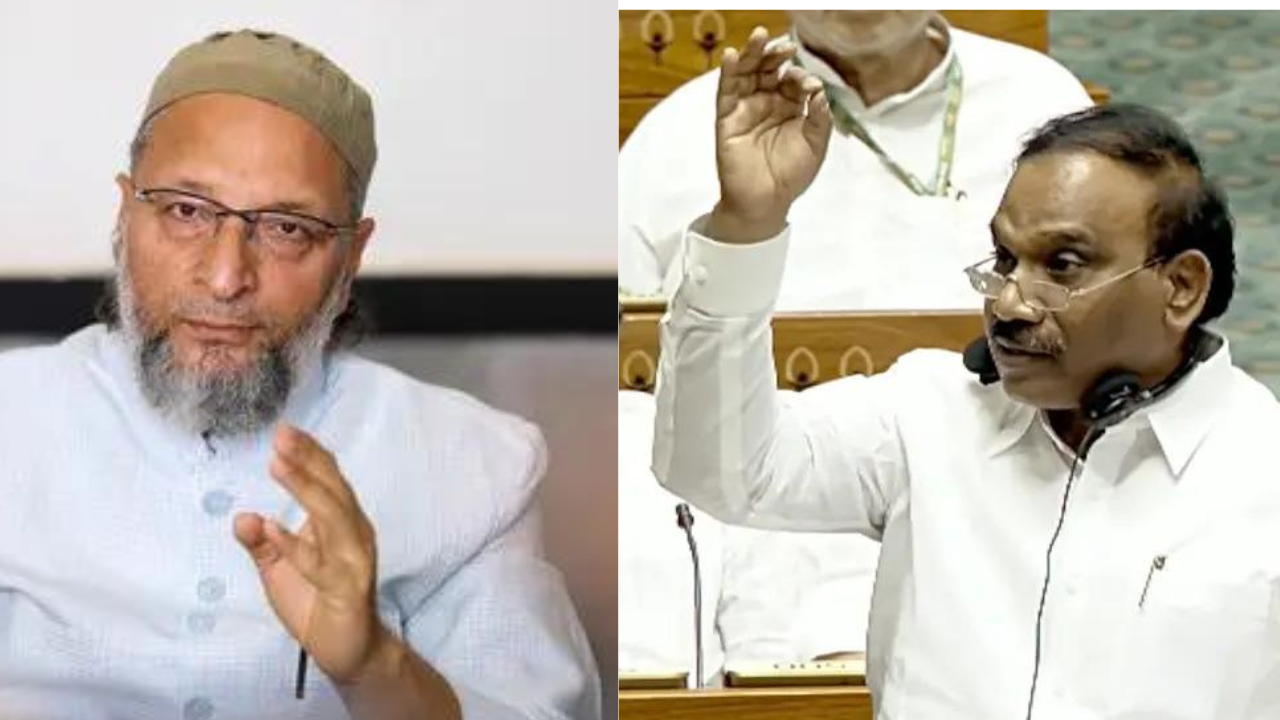
In a fresh political salvo, AIMIM chief Asaduddin Owaisi has accused the BJP of attempting to coerce Muslims and other minorities into worshipping Hindu deities, while the DMK has dismissed a proposed Vande Mataram bill as a 'fraud'. The statements, made on separate occasions, highlight the growing friction between the opposition parties and the ruling dispensation over issues of faith and national symbolism.
Speaking at a public meeting, Owaisi said, “The BJP is trying to force Muslims and minorities to worship Hindu deities. This is against the constitutional ethos of secularism and the fundamental right to freedom of religion.” He alleged that such attempts are part of a larger ideological agenda to homogenise Indian society. However, he did not provide specific examples of any government policy or legislation that would compel such acts.
Meanwhile, the Dravida Munnetra Kazhagam (DMK) has strongly objected to a bill related to Vande Mataram, calling it a 'fraud'. Party leader and Tamil Nadu Minister Udhayanidhi Stalin, reacting to the proposed legislation, said, “The Bill is a fraud. It seeks to impose a particular version of patriotism on the people of Tamil Nadu, ignoring the state's rich cultural and linguistic heritage.” The party has historically viewed the song as symbolic of a certain nationalist movement rather than a unifying anthem for all communities.
The Vande Mataram bill, introduced by a BJP parliamentarian, reportedly aims to make the singing of the song mandatory in educational institutions across the country. The bill has yet to be debated in Parliament. Political observers note that such proposals often serve as rallying points during election seasons, but they also trigger constitutional questions around cultural imposition and federal autonomy.
The BJP has not yet officially responded to these specific allegations. However, party leaders have in the past defended Vande Mataram as a national song that holds equal reverence for all citizens. They have also accused opposition parties of politicising religious symbols and stoking fear among minorities.
Both statements come at a time when the opposition is seeking to consolidate its position against the BJP-led NDA government, particularly over issues of religious freedom and cultural nationalism. While Owaisi's remarks reflect concerns often voiced by minority organisations, the DMK's critique is rooted in regional pride and linguistic identity. Together, they signal a broader contestation over the definition of Indian nationhood, a debate that has repeatedly surfaced in the political arena.
Constitutional experts point out that any attempt to mandate a religious practice through state action would violate Articles 25 and 26 of the Indian Constitution, which guarantee freedom of conscience and religious practice. Similarly, compelling the singing of a song, while permissible in certain state institutions, raises questions about the limits of cultural nationalism. The courts have, in several judgments, affirmed that nationalism cannot be equated with worship.
It is important to note that the statements from Owaisi and the DMK are political speeches that make allegations. They are not court findings or government reports. Voters and readers are advised to treat these claims as part of the ongoing political discourse, subject to fact-checking and verification.