Over 100 Killed in Pakistan-Administered Kashmir Protests: Calls for Restraint Grow
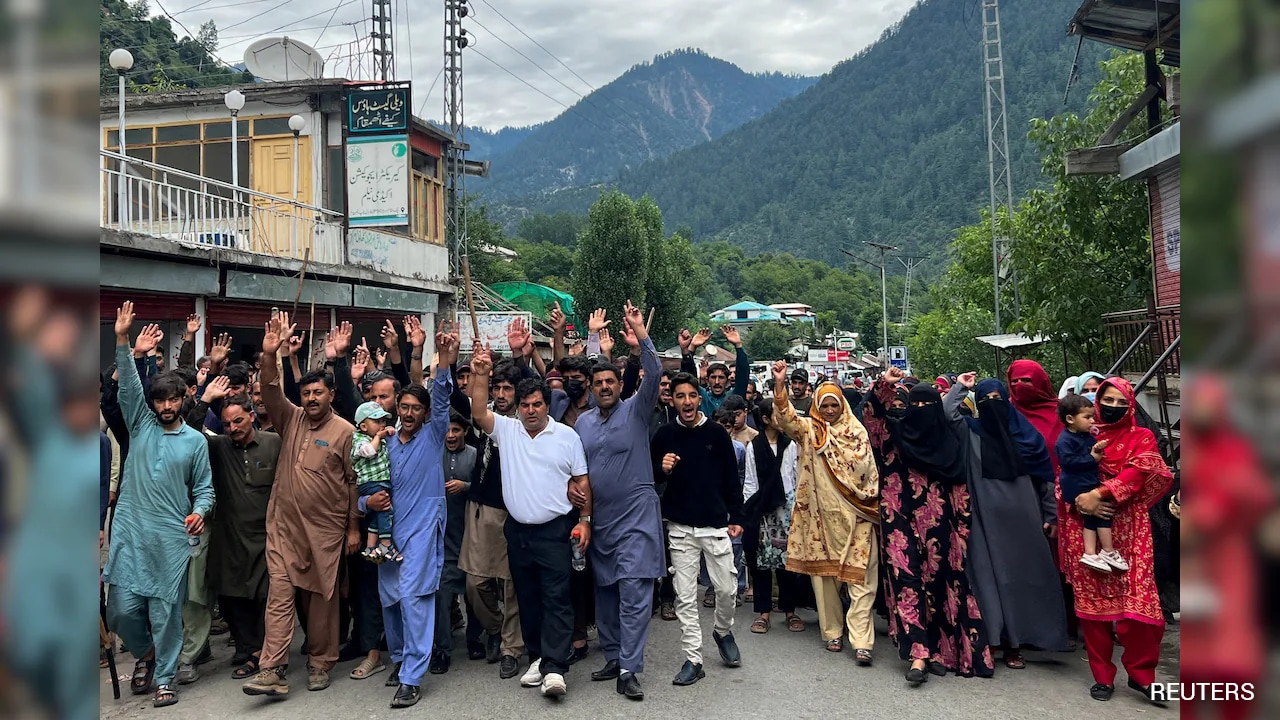
In the last two months, more than 100 people have lost their lives in the Pakistan-administered region of Kashmir, known in India as Pakistan-occupied Kashmir (PoK), during clashes between security forces and protesters. The demonstrations have been organised by the Joint Awami Action Committee (JAAC), a coalition of political and civic groups demanding better governance, economic relief, and an end to what they describe as state repression.
The violence has raised serious concerns among human rights organisations, with unverified reports suggesting that some of the victims were minors. Local activists claim that children as young as 15 have been killed or injured in the crackdown. These reports have not been independently confirmed, and Pakistani authorities have denied any deliberate targeting of civilians, stating that security personnel acted in self-defence against violent mobs.
The protests began in late 2024 against rising fuel and food prices, power outages, and alleged corruption in the local administration. The JAAC has also called for greater autonomy and the release of political prisoners. The movement has gained significant traction in cities such as Muzaffarabad and Mirpur, where thousands have taken to the streets despite curfews and heavy security presence.
The situation has drawn international attention. The United Nations has urged both sides to exercise maximum restraint and to allow peaceful protests. The Indian government, which claims the entire former princely state of Jammu and Kashmir as its territory, has repeatedly raised the issue of human rights violations in the region at international forums. However, Pakistan maintains that its administration is separate and that the situation is an internal matter.
The death toll includes both civilians and members of the security forces. Hospitals in the region report being overwhelmed with casualties, and there are shortages of medical supplies. The JAAC has accused security forces of using live ammunition against unarmed protesters, while official statements describe the operations as precision strikes against armed militants hidden among demonstrators.
The demand for an independent inquiry into the killings has grown louder. Several legal experts and former diplomats have called for an unbiased investigation to establish accountability and provide justice to the families of those killed. So far, no such inquiry has been announced by the authorities.
The unrest has also had economic consequences. Markets remain closed, transport has been disrupted, and many residents have fled to neighbouring areas. The tourism industry, which is vital to the region's economy, has suffered a severe setback. Local businesses are reporting significant losses as the shutdown continues.
Despite the tension, there have been efforts at dialogue. Some tribal elders and religious leaders have attempted to mediate between the protesters and the administration, but no breakthrough has been reported. The JAAC has vowed to continue its campaign until its demands are met.
This conflict is rooted in the long-standing dispute over Kashmir, which has remained a flashpoint between India and Pakistan since 1947. Both countries claim the territory in full and have fought two wars over it. The region is currently split, with India controlling the eastern part and Pakistan the western part, carved into the so-called Azad Kashmir and Gilgit-Baltistan territories.
The international community continues to monitor the situation closely. For now, the priority remains the immediate de-escalation of violence and the protection of civilian lives, especially those of children. The world waits to see whether the authorities will respond to the growing global appeals for restraint and accountability.