Oil slips as Iran-Oman talks revive hopes of US-Iran peace deal
Oil prices slipped on Thursday as investors weighed the potential for a U.S.-Iran peace deal following progress in talks between Iran and Oman over the Strait of Hormuz. The negotiations have raised hopes that the critical waterway could be reopened, easing global supply concerns and possibly bringing an end to the five-month war.
Brent crude futures fell 37 cents, or 0.5%, to $79.08 a barrel by 0024 GMT. U.S. West Texas Intermediate (WTI) futures declined 53 cents, or 0.7%, to $74.69 a barrel. On Wednesday, Brent settled slightly higher, while WTI edged lower, reflecting cautious trading amid mixed signals from the talks.
Iran announced on Wednesday that it is in the "final stage" of drafting an agreement with Oman over the Strait of Hormuz. U.S. President Donald Trump has indicated that a deal could be announced this week. If finalised, the agreement would potentially reopen the strait, a crucial chokepoint for global oil shipments, and help reduce economic pressures worldwide.
The Strait of Hormuz, located between Iran and Oman, is one of the world's most strategically important waterways. Roughly one-fifth of global oil consumption passes through it daily. Its closure during the conflict has disrupted supply chains, heightened price volatility, and contributed to broader economic uncertainty.
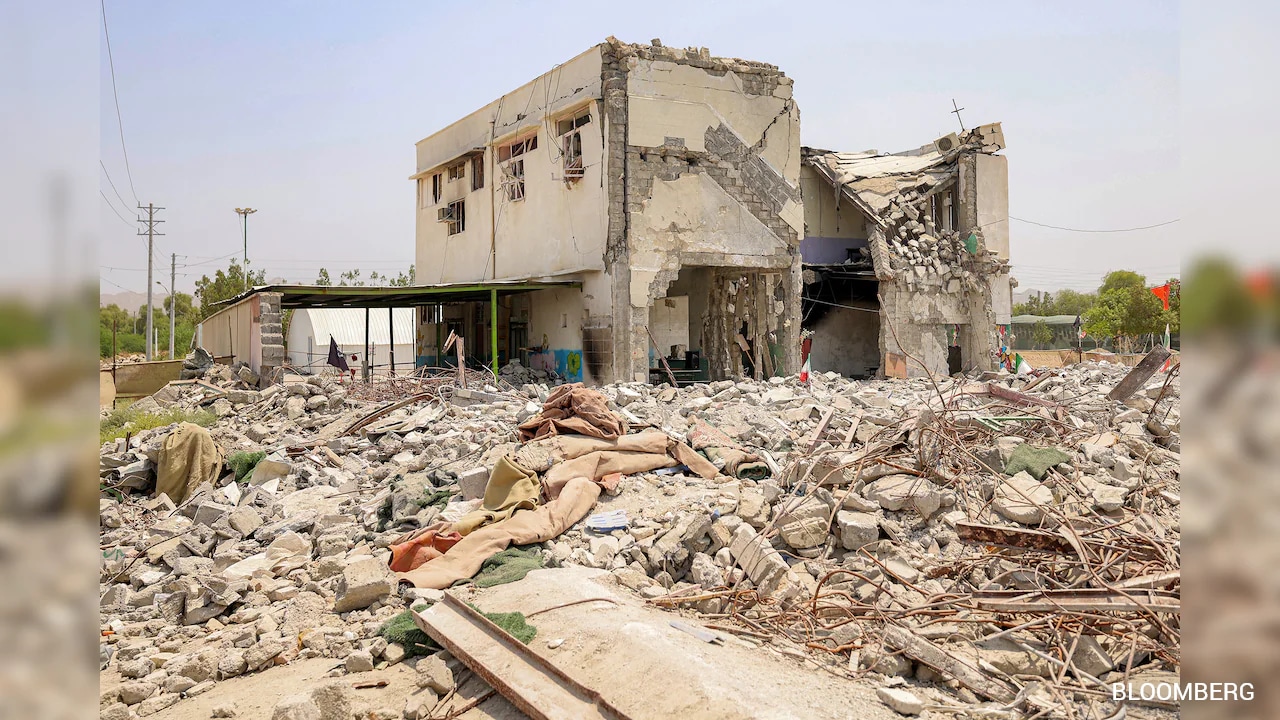
The ongoing U.S.-Iran war, now in its fifth month, has had far-reaching consequences. Beyond energy markets, the conflict has affected international shipping routes, regional stability, and the safety of communities along the Gulf. Diplomatic efforts led by Oman are seen as a critical avenue toward de-escalation and a comprehensive peace settlement.
The economic impact of the conflict has been severe, with higher fuel prices feeding inflation in many countries. Developing nations, in particular, have borne the brunt of increased energy costs, straining their budgets and limiting growth. The potential reopening of the strait offers a prospect of relief for these economies.
However, a final agreement is not yet guaranteed. Reports indicate that the deal is likely contingent on the United States lifting its blockade on Iran's ports. The Trump administration has previously ruled out any arrangement that would give Iran permanent leverage over the strait, describing such a move as a major strategic loss and a break with international norms. Negotiations are also complicated by unresolved questions regarding inspection mechanisms and the exact terms of shipping safety.
Market analysts are cautiously optimistic, but they stress that the situation remains fluid. A successful deal could lead to a significant drop in oil prices and a reduction in geopolitical risk premiums. A breakdown in talks, on the other hand, could trigger a sharp rally. Investors are likewise monitoring the humanitarian and economic toll of the war, which has drawn international concern and calls for a ceasefire.
The coming days will be decisive. With both sides reportedly close to a preliminary agreement, the world is watching closely to see whether diplomatic momentum can overcome the entrenched differences that have fuelled the conflict. For now, oil markets are serving as a real-time barometer of hope, uncertainty, and the desire for peace.