No PUC, No Fuel, Higher Mumbai Tolls: What Changes This October
Several new rules take effect in October, affecting drivers in Delhi and Mumbai, shoppers who pay by UPI, bank customers and households using cooking gas. Here is a plain account of what changes, and who is affected.
Delhi: no valid PUC, no fuel
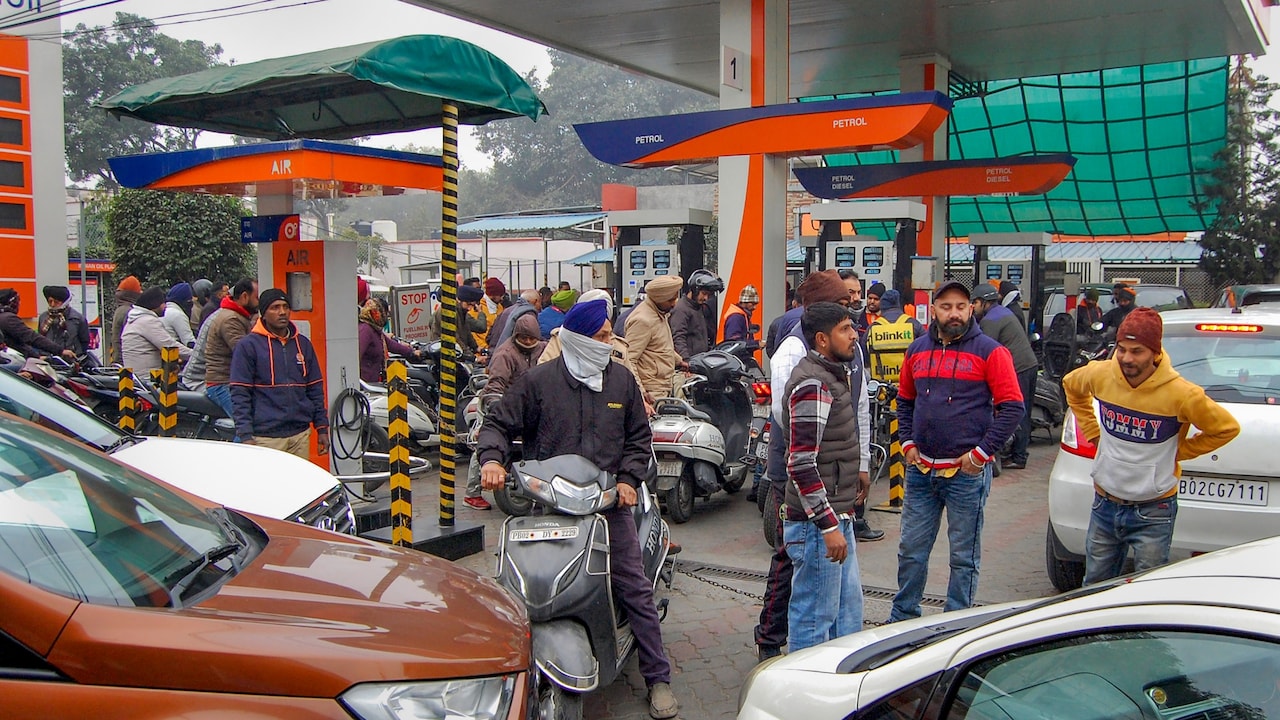
Delhi Chief Minister Rekha Gupta announced on September 26 that vehicles without a valid Pollution Under Control Certificate (PUCC) will not be given fuel from October 1. The campaign will cover all 500 fuel stations in the city that are equipped with number plate recognition systems. The government plans a public awareness drive during October and an upgrade of PUC testing centres in November.
The rule is not nationwide. Reports say a direction from the Commission for Air Quality Management extends the system across the wider National Capital Region from October 1. Separately, non-BS-VI vehicles registered outside Delhi are to be barred from entering the city from November 1. BS-VI is the current national emission norm for new vehicles, in force since April 2020.
Mumbai: higher tolls for commercial vehicles
The Maharashtra State Road Development Corporation (MSRDC) announced on Wednesday that toll charges for commercial vehicles entering and leaving Mumbai will rise from October 1. Mini buses and light commercial vehicles will pay Rs 90 instead of Rs 75. Buses and trucks will pay Rs 180 instead of Rs 150, and heavy motor vehicles Rs 225 instead of Rs 190.
Private cars and SUVs, public transport buses, auto rickshaws and taxis will continue to pay no toll at Mumbai entry points. The revised rates apply at five entry points: Airoli, Mulund LBS, Mulund Eastern Expressway, Dahisar and Vashi.
Transporters have opposed the hike, saying they will be forced to raise freight charges, which would ultimately be passed on to consumers. MSRDC has said commercial vehicle owners can buy 50 or 100 toll coupons in advance and receive discounts of 25 per cent and 50 per cent respectively. Discount journey smart cards will be issued at the toll plazas.
UPI: merchant charges from October 15
A merchant discount rate (MDR) of 0.4 per cent will apply to UPI merchant payments above Rs 2,000 from October 15, ending a zero-MDR policy that has run for six years. MDR is a fee that merchants pay to banks and payment service providers for accepting digital payments.
The charge is capped at Rs 300 per transaction for amounts above Rs 75,000. Person-to-person transfers remain free, as do merchant payments of up to Rs 2,000. The government says about 96 per cent of person-to-merchant transactions will be unaffected, though business groups say costs could rise. Merchant associations have warned that the cost could be passed on to buyers. The Supreme Court has issued notices to the Centre, the Reserve Bank of India and the National Payments Corporation of India on a challenge to the fee, but has refused an interim stay.
Other changes to note
From October 1, State Bank of India salary package account holders will get five free transactions a month at other banks' ATMs, down from ten.
Domestic LPG customers must complete biometric Aadhaar authentication to receive subsidised cylinders. Those who have already completed the process need not repeat it.
New National Pension System (NPS) charges also come into force, including a one-time charge of Rs 200 per Permanent Retirement Account Number (PRAN) and a recurring charge of 0.20 per cent of assets under management.
The Reserve Bank of India's next policy decision is due on October 7.
Readers should check the latest official notifications before acting, as dates and details can change.







