Nitin Gadkari Warns E20 Petrol May Cut Mileage by Up to 6%, Says Minister in Parliament
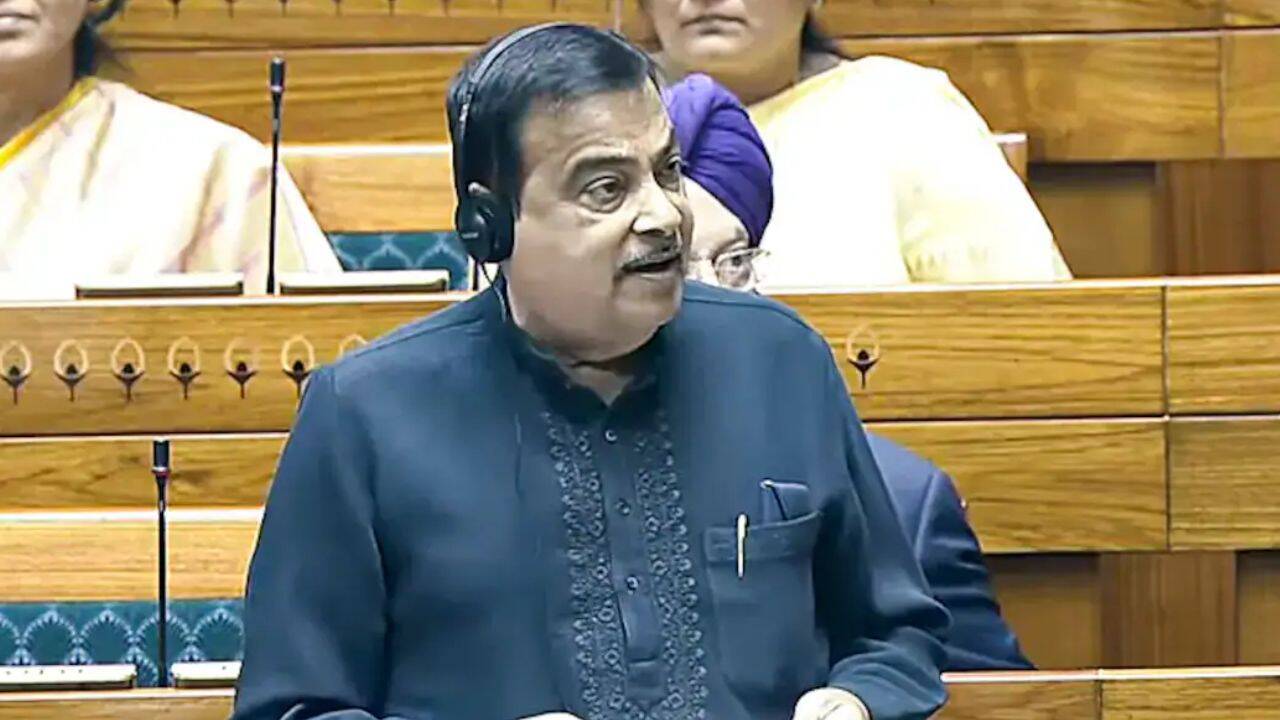
Union Minister for Road Transport and Highways, Nitin Gadkari, informed Parliament on Wednesday that the use of E20 petrol — a blend of 20% ethanol with petrol — could reduce vehicle mileage by up to 6% compared to standard petrol. The statement was part of a written reply in the Lok Sabha, where Gadkari outlined the government's ethanol blending roadmap and its implications for consumers.
E20 petrol is a key component of India's National Policy on Biofuels, which aims to achieve 20% ethanol blending in petrol by 2025. The policy is intended to reduce dependence on crude oil imports, lower carbon emissions, and support the agricultural sector by creating a market for ethanol produced from sugarcane and other biomass. However, the mileage reduction noted by Gadkari highlights a trade-off for consumers.
According to the minister, the lower energy content of ethanol compared to petrol is the primary reason for the decreased mileage. Ethanol has about 33% less energy per litre than petrol, meaning that a vehicle running on E20 will require more fuel to travel the same distance. The 6% figure is an estimate based on tests conducted by the Automotive Research Association of India (ARAI).
The government has been promoting E20 as a cleaner alternative, with lower emissions of carbon monoxide and hydrocarbons. However, critics point out that the mileage drop could increase the effective cost per kilometre for drivers, especially if ethanol prices do not offset the loss in efficiency. Currently, E20 is priced slightly lower than regular petrol in some states, but the difference may not fully compensate for the reduced range.
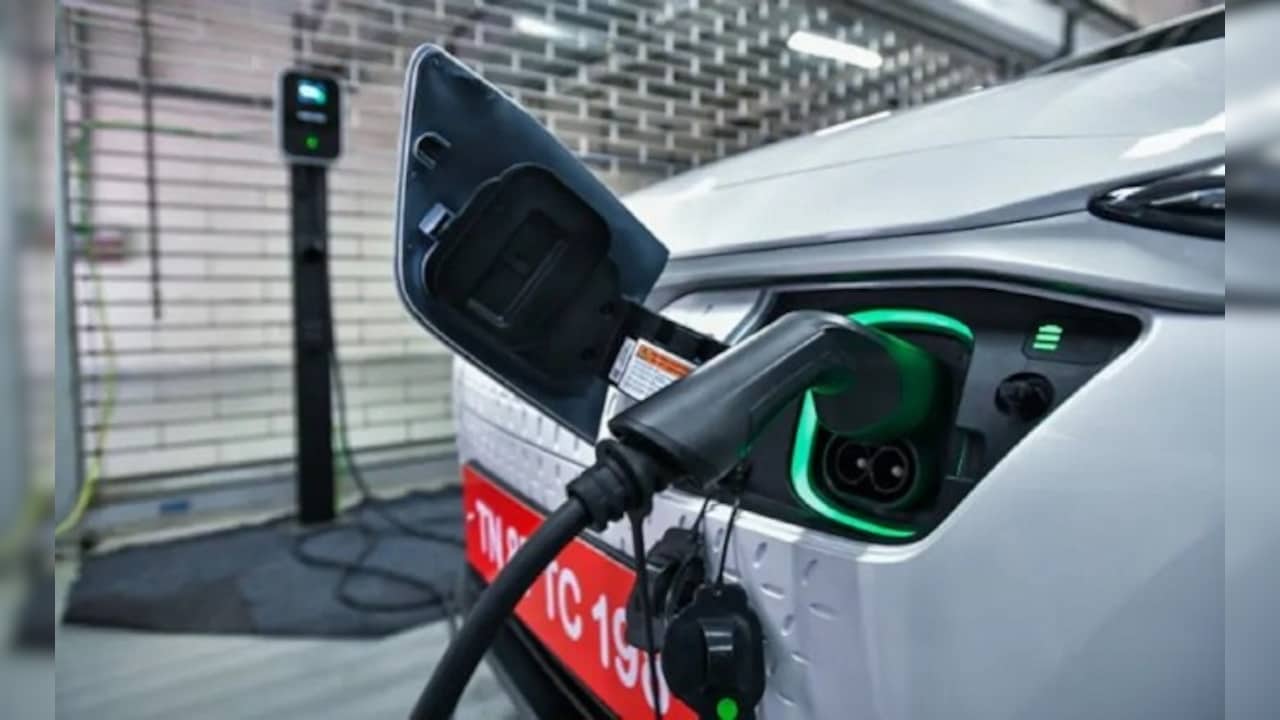
Gadkari also emphasised that vehicle manufacturers are being encouraged to produce flex-fuel engines that can run on any blend from E0 to E20. Several automakers have already begun introducing compatible models. The government plans to mandate that all new vehicles be E20-compliant by 2025. Existing vehicles may require modifications to use the blend without damaging the engine.
Consumer advocacy groups have called for transparent labelling at fuel stations so that drivers can make informed choices. Some have also suggested that the government consider subsidies or tax breaks to offset the higher operational costs during the transition period.
The minister's remarks come amid a wider push for alternative fuels, including compressed natural gas (CNG) and electric vehicles. While ethanol blending is seen as a bridge technology, the mileage reduction is a reminder that trade-offs are inevitable in the shift toward greener energy.
Experts advise that consumers should check their vehicle's compatibility before using E20. For now, regular petrol remains available at most pumps, but the share of ethanol blends is expected to increase steadily over the coming years.