Nepal Youths Demand Return of Gorkha Recruitment to Indian Army Under Agnipath Scheme
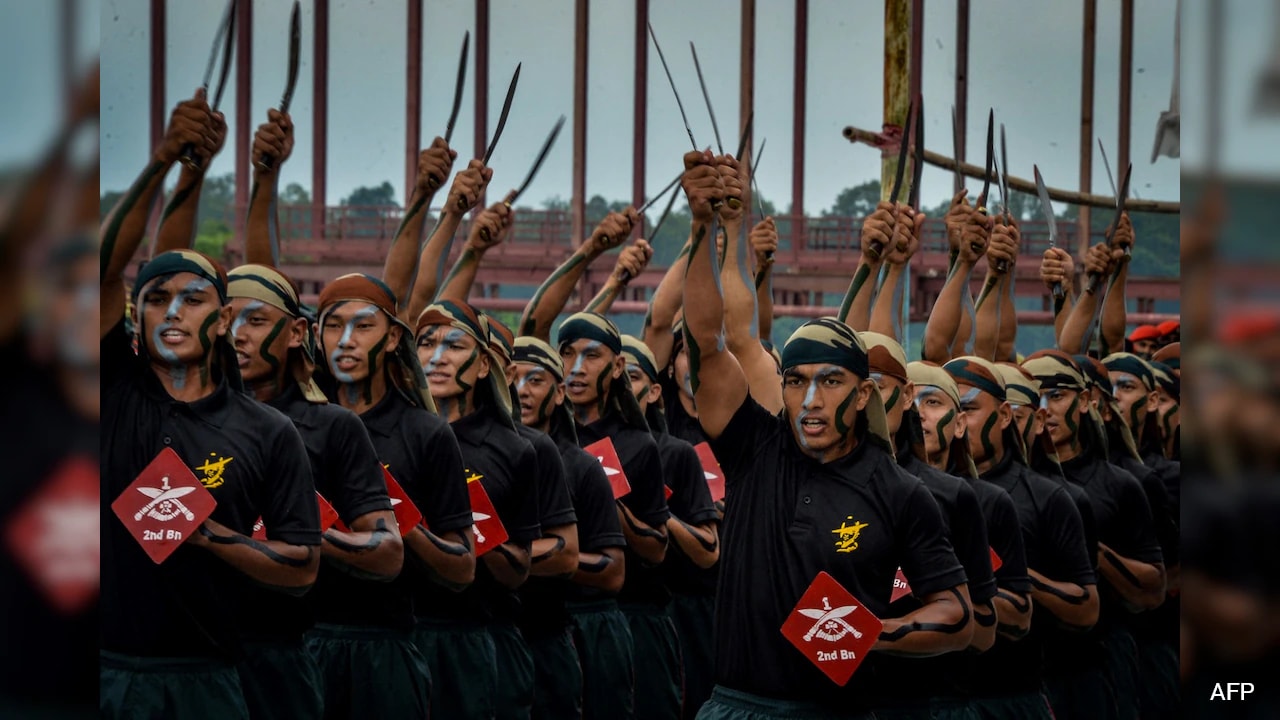
Nepali youths, along with former Gorkha soldiers and their families, held a protest march in Pokhara this week demanding that the Nepalese government allow citizens to enlist in the Indian Army under the Agnipath scheme. The demonstration highlights the continuing significance of Gorkha recruitment to India as a longstanding link between the two neighbouring countries.
The protest comes ahead of Indian Army Chief General Dhiraj Seth's scheduled visit to Nepal on Sunday. Participants carried placards urging Kathmandu to resume the recruitment of Nepali youths under the revamped scheme, which was introduced by India in 2022.
Recruitment of Nepali Gorkhas into the Indian Army has been suspended since 2019, initially due to the COVID-19 pandemic. Later, in 2022, Nepal's government halted the process after India introduced the Agnipath scheme, under which only up to 25 per cent of recruits are retained for permanent service after four years. The remaining 75 per cent are discharged with a one-time lump-sum payment and do not receive pensions or other long-term career benefits.
The Nepali government has argued that the new scheme is inconsistent with the provisions of the 1947 Tripartite Agreement between India, Nepal, and Britain, which had governed Gorkha recruitment and service conditions. That agreement, signed by the three countries, has historically formed the basis for the recruitment of Nepali citizens into the British and Indian armies.
Organised by the Indian Ex-Servicemen Gorkha Brigade Nepal, the protest march in Pokhara—a major city in western Nepal—was attended by former soldiers, their family members, and youths who had received training to join foreign armies. The demonstrators submitted a memorandum to the Chief District Officer of Kaski at the District Administration Office, after beginning their rally at Pokhara Stadium.
Among their key demands, the protesters called for an immediate reopening of the Agnipath recruitment process, which they said is essential to protect employment opportunities for Nepali youths and to preserve the identity and traditions associated with Gorkha soldiers. They also demanded that the registration of organisations representing former soldiers and bearing the term 'ex-servicemen' not be halted, saying such groups are necessary to safeguard the dignity, rights, and interests of veterans.
With limited employment opportunities in Nepal, many young people in the Himalayan nation see the Indian Army as a viable career path. Some protesters said that joining the Indian Army as Agniveers is preferable to seeking work in Gulf countries, which often involves arduous conditions and uncertain job security. The demand reflects a broader challenge for Nepal, where youth unemployment and the lack of domestic job prospects drive many citizens to seek work abroad.
The Indian Army has historically recruited Gorkha soldiers from Nepal, and this practice has been viewed as a symbol of close India-Nepal relations. However, the Agnipath scheme has introduced changes that have strained this tradition. The scheme's short-term service model, with a compulsory discharge for most recruits, has raised concerns about pensions and long-term benefits, which were previously assured under the Tripartite Agreement.
General Seth's upcoming visit to Nepal is expected to include discussions on defence cooperation, with the issue of Gorkha recruitment likely to feature. The Nepali government has not yet announced any change to its suspension of recruitment. The protests in Pokhara reflect the community's desire to continue the historical link, even as the terms of service undergo transformation.
Observers note that the outcome of the recruitment impasse will depend on both governments' willingness to address the legal and practical concerns raised by the Agnipath scheme, while balancing the aspirations of Nepali youths who value the honour and stability associated with service in the Indian Army.







