Nepal Flood Disaster: Bodies Recovered 200km Away in Uttar Pradesh
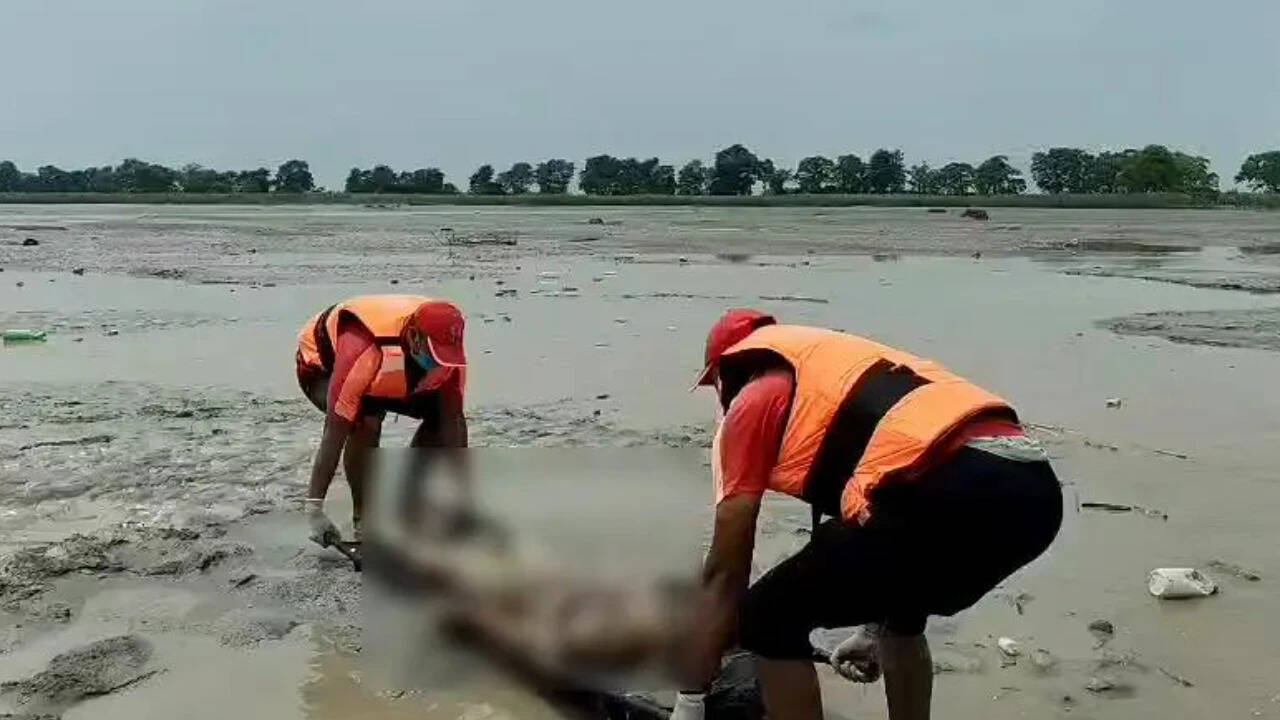
NEW DELHI: The catastrophic flood triggered by a Himalayan collapse in Nepal last Wednesday has left a trail of destruction stretching nearly 200 kilometres downstream, with three more bodies now recovered in Indian territory. The Narayani river, which becomes the Gandak after crossing into India, carried debris and victims across the border, underscoring the trans-national impact of the disaster.
Security personnel from the Sashastra Seema Bal (SSB) recovered the bodies of two women and a man in Maharajganj district of Uttar Pradesh on Thursday. SSB Inspector Arun Pandey confirmed, "Three bodies believed to have been swept into the Gandak from Nepal have so far been recovered in Indian territory." This brings the cross-border toll into focus, though Nepalese authorities continue to compile the full casualty figures from the flood.
The disaster began with a seismic signal recorded at 8:37 am, followed by a surge of water that reached Rasuwagadhi on the Nepal-Tibet border within seven minutes. Border-security footage captured people fleeing moments before the torrent tore through the narrow gorge, sweeping away buildings and vehicles. The rapid onset left little time for response, and the official warning came only after the flood had already entered Nepal's Bhote Koshi river.
According to Sauharda Joshi, a hydrologist at Nepal's Department of Hydrology and Meteorology, the flood crossed into Nepal at approximately 8:40 am and reached Syabrubesi within ten minutes. "If we had been informed while the flood was building up in Tibet, human casualties could have been significantly minimised," Joshi said, highlighting the lack of upstream data that hampered early warning efforts.
The Nepal Flood Forecasting Division received information about the major surge at 9:05 am and sent over 600,000 SMS warnings to people residing along the riverbanks in Rasuwa, Nuwakot, Dhading and Chitwan districts within minutes. Despite these efforts, the flood's speed and scale overwhelmed many communities. The floodwaters then travelled through the Trishuli river into the Narayani, carrying debris and victims towards Nepal's southern plains.
Chitwan district, which shares a border with India, recorded the highest number of recoveries at 132. Across other affected districts, including Nuwakot, Dhading and Nawalparasi East, bodies have been recovered in significant numbers, reflecting the immense force of the deluge. The recovery operations are ongoing as authorities work to identify the victims and trace missing persons.
This disaster highlights the critical need for improved cross-border cooperation on early warning systems. The absence of real-time hydrological data from Tibet meant that Nepal's flood monitors could only act after the surge had already entered the country. Experts argue that a shared data-sharing mechanism between China, Nepal and India could significantly reduce future risks, especially for river systems that flow across multiple borders.
Meanwhile, Indian authorities in Uttar Pradesh have been deployed to monitor the Gandak river and assist with any additional debris or victims that may wash downstream. The SSB and local disaster response teams remain on alert as the river's flow continues to carry the aftermath of the tragedy into Indian territory.







