NEET Paper Leak Fallout: Security Tight at Jantar Mantar, Centre Brings Bill to Reform Exams
New Delhi, July 27: Two days after the Centre for Juridical Principles (CJP) protest against the NEET paper leak was dispersed, heavy barricading and a strong police presence remain around Jantar Mantar in the capital. Authorities are maintaining a watchful posture, anticipating the possibility of renewed student-led demonstrations over the leak that has sparked nationwide outrage.
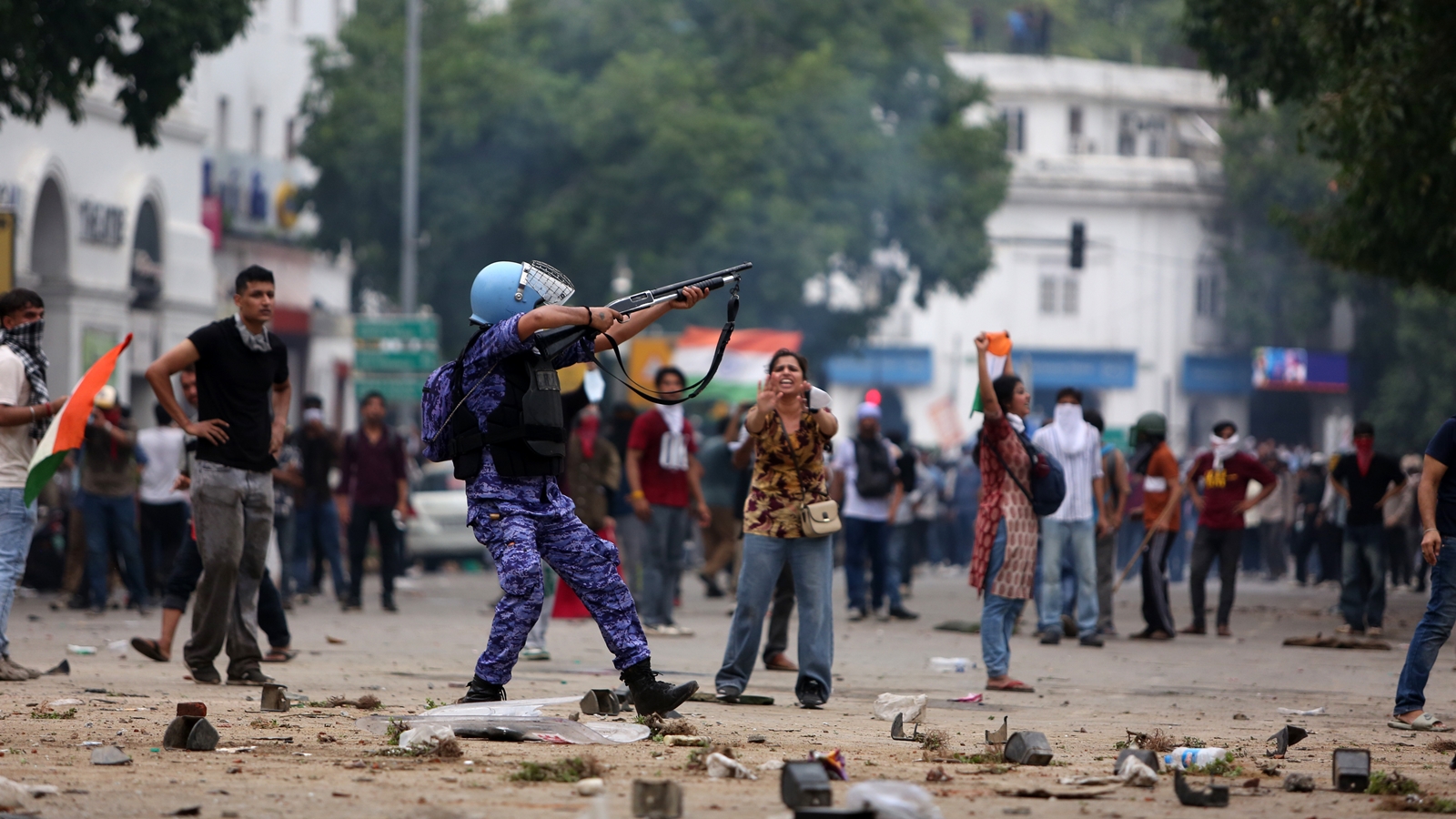
Adding to the tension, a probe has revealed that a Rapid Action Force (RAF) personnel fired seven pellet rounds during the CJP's march towards Parliament on July 25. The rounds struck five individuals, with at least three requiring hospital treatment. The finding has intensified the political debate over the policing of the protest, with opposition parties demanding accountability and questioning the use of force against peaceful demonstrators.
Meanwhile, the Union government has moved to introduce the Public Examinations Bill, 2026, in the ongoing Monsoon Session of Parliament. The bill aims to establish a legal framework to prevent leaks and malpractices in public examinations, including the NEET, which has been at the centre of the controversy. The Opposition, however, has filed adjournment notices over the NEET paper leak, setting the stage for a confrontation in Parliament where the government's legislative response will face scrutiny.
The situation remains fluid. The deployment of security forces around Jantar Mantar is a precautionary measure to prevent any gathering that could escalate. Officials say the area will remain under surveillance until further notice. The pellet rounds fired by the RAF have become a flashpoint, with civil liberties groups condemning the use of force against unarmed protesters.
The Public Examinations Bill is expected to propose stringent penalties for those involved in leaking question papers or tampering with examination processes. It also seeks to establish a centralised mechanism for conducting high-stakes exams, reducing the risk of breaches. The government has argued that such a law is essential to protect the integrity of examinations that determine the futures of millions of students.
In response, the Opposition has accused the government of acting too late and failing to prevent the NEET leak in the first place. They have called for a thorough investigation and compensation for affected students. The Parliament is likely to witness heated debates as both sides stake their positions.
The coming days will test whether the government's legislative move can quell the anger among students and opposition parties, or whether the protests will regain momentum. The security presence at Jantar Mantar serves as a reminder of the charged atmosphere surrounding the issue.