NEET computer-based test: Final call after Nilekani panel report, Centre tells SC
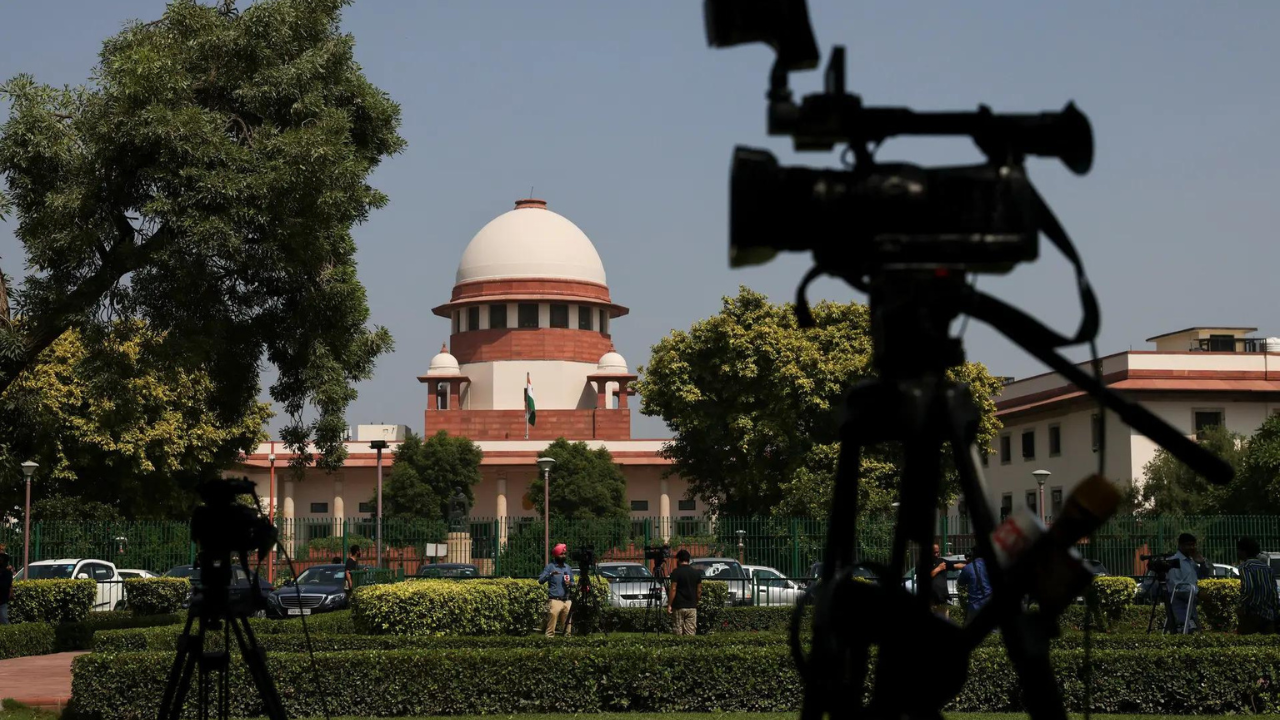
The Union government on Tuesday informed the Supreme Court that a decision on shifting the National Eligibility cum Entrance Test (NEET) from the pen-and-paper mode to a computer-based format will be taken only after receiving the recommendations of the Nandan Nilekani-led task force. The high-powered committee has been constituted to overhaul India's public examination systems.
In an affidavit filed before the court, the government outlined measures adopted to make the examination process foolproof, including stringent penal provisions against the use of unfair means. The submission came in response to a plea filed by the All India Medical Association, which sought a more secure examination process in the wake of this year's NEET paper leak.
The government stated that the migration from the current pen-and-paper mode to a computer-based mode — whether in a single stage or a two-stage examination on the pattern of the Joint Entrance Examination (JEE) — is presently under consideration by all stakeholders. It added that the final approach would be adopted after considering the task force's recommendations.
The affidavit further noted that the National Testing Agency (NTA) has already migrated seven of its eight major examinations to computer-based testing. NEET (UG) remains the only major examination still conducted in the traditional pen-and-paper format.
The Supreme Court is hearing petitions seeking a robust and transparent mechanism for NEET, one of the country's most competitive medical entrance examinations. The paper leak earlier this year had sparked widespread protests and raised serious questions about the integrity of the examination process.
The task force, headed by Nandan Nilekani, co-founder of Infosys and a prominent advocate of digital public infrastructure, is expected to suggest systemic reforms to prevent malpractices and improve the efficiency and security of examinations conducted by the NTA and other bodies.
Legal experts say that the court is likely to monitor the progress of the task force and may set a timeline for the government to implement reforms. However, no such direction has been issued as of now.
The government's affidavit also highlighted existing legal provisions that penalise individuals involved in paper leaks and other irregularities. These provisions, it said, act as a deterrent and are being strictly enforced.
Students and parents have expressed mixed reactions to the proposed shift. While some believe a computer-based test would reduce the risk of leaks and ensure faster results, others have raised concerns about digital access and infrastructure in rural areas. The task force is expected to examine these issues as part of its mandate.
The court has scheduled the next hearing for a later date, by which time the task force is expected to submit its report. Until then, the government maintains that the existing arrangements will continue with all necessary safeguards.