NCRTC Submits Plans for Four New Namo Bharat RRTS Corridors to Expand Delhi-NCR Connectivity
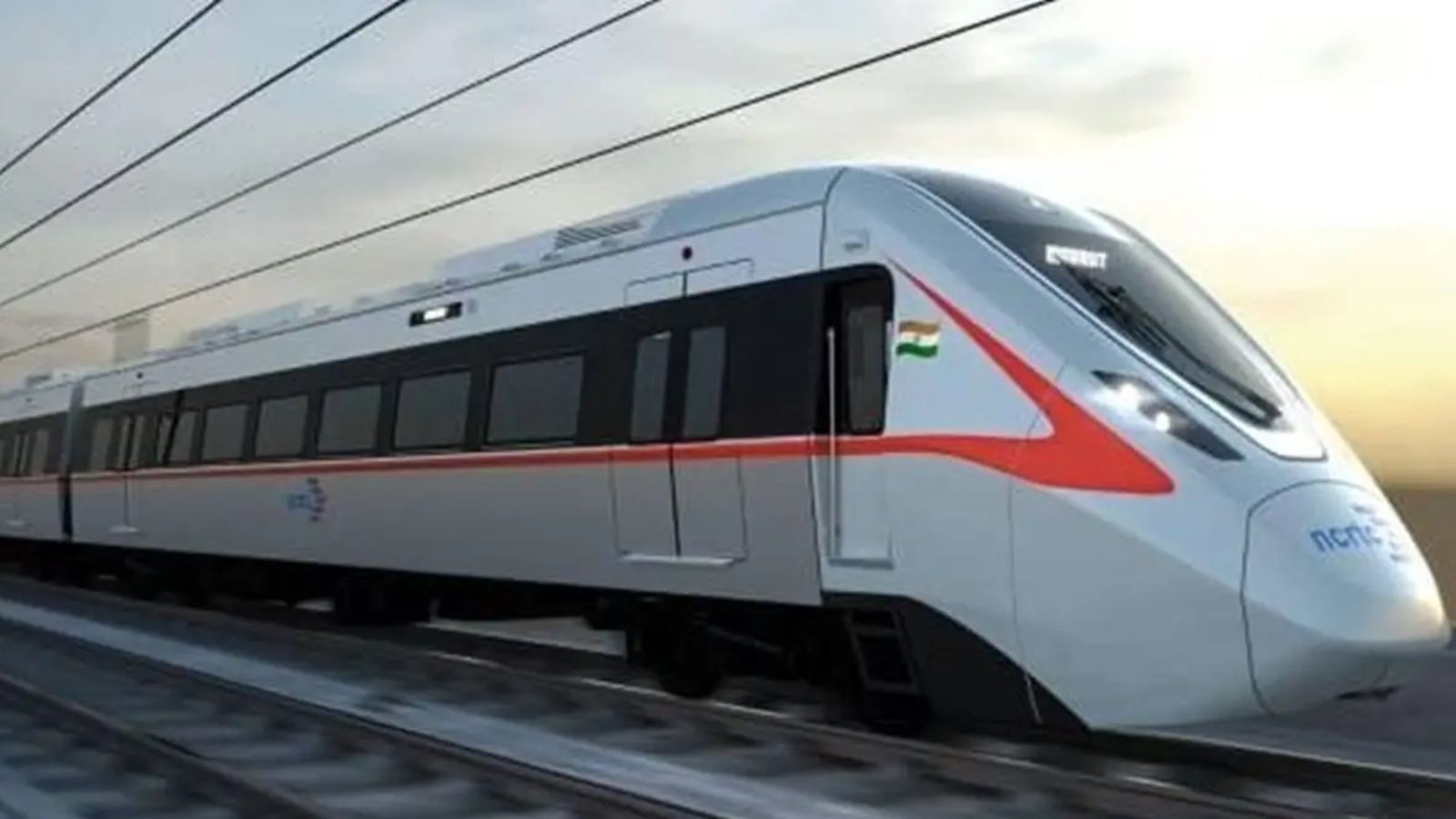
The National Capital Region Transport Corporation (NCRTC) has submitted Detailed Project Reports (DPRs) for four proposed Namo Bharat RRTS corridors, marking a significant step toward expanding high-speed regional transit in the Delhi-National Capital Region (NCR). The move aims to improve connectivity and reduce travel time across the region.
As of now, the only operational Namo Bharat RRTS corridor is the 82.15-km Delhi-Ghaziabad-Meerut route, which was sanctioned by the Central Government in March 2019. The new proposals represent an extension of this rapid rail system to other key destinations.
In a written statement in the Rajya Sabha on Monday, Union Minister of State for Housing and Urban Affairs Tokhan Sahu confirmed that the NCRTC has submitted DPRs for four corridors: Delhi-Karnal, Delhi-Bawal, Bawal-Behror, and Ghaziabad-Noida International Airport. These corridors are expected to enhance connectivity between Delhi and the rapidly developing urban centres in Haryana and Uttar Pradesh.
The Delhi-Karnal corridor will link the national capital with Karnal, a major city in Haryana. The Delhi-Bawal corridor aims to connect Delhi with Bawal, an industrial hub in Haryana. The Bawal-Behror corridor will further extend connectivity to Behror in Rajasthan, while the Ghaziabad-Noida International Airport corridor will provide a direct link between Ghaziabad and the upcoming Noida International Airport in Jewar.
The submission of DPRs is a crucial step in the project development process, as it includes detailed feasibility studies, cost estimates, and implementation timelines. Once approved, these corridors are expected to significantly reduce travel time, ease congestion on existing roads and railways, and boost economic activity in the region.
The NCRTC, a joint venture of the central government and states of Delhi, Haryana, Rajasthan, and Uttar Pradesh, is responsible for implementing the RRTS project. The system is designed to operate at speeds of up to 180 km/h, with trains running every 15-30 minutes during peak hours.