Musk Says Starlink Competition Will Benefit Indians, Dismisses Threat to Ambani's Jio
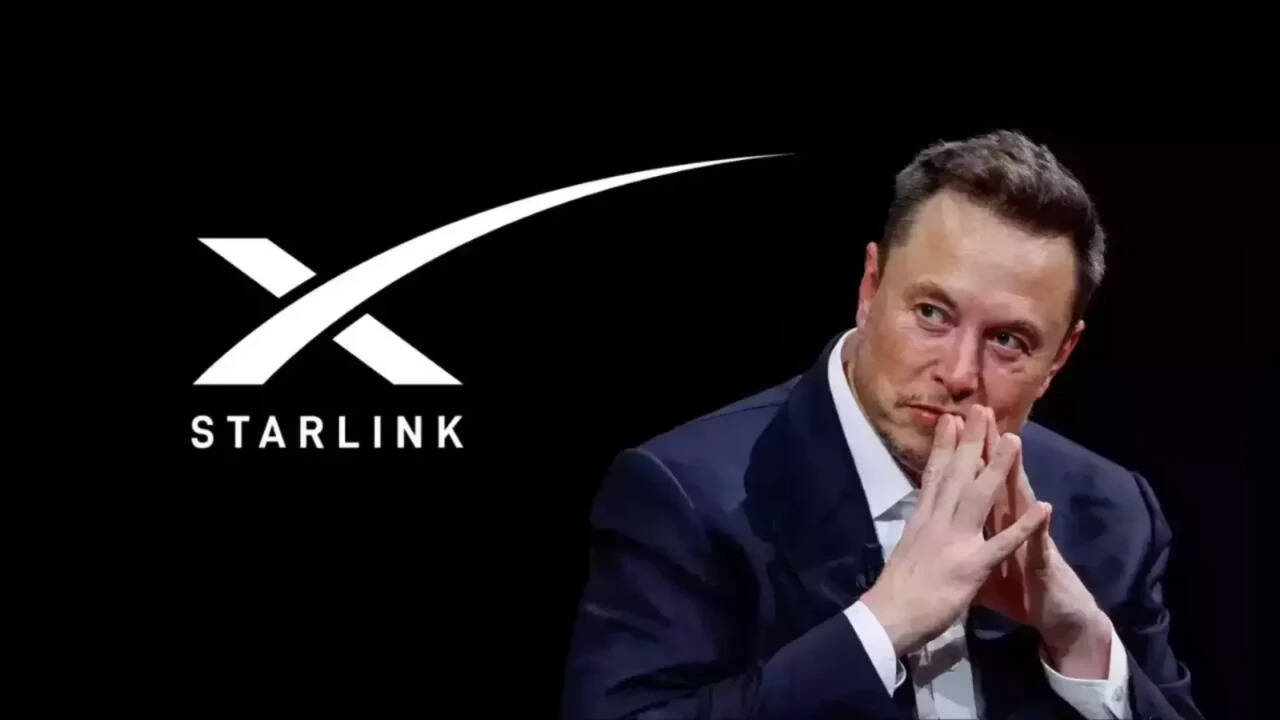
New Delhi: Elon Musk has said that competition from Starlink, his satellite internet service, would benefit people in India, and dismissed the suggestion that it would push Mukesh Ambani out of business.
The remarks were made in a post on X, the social media platform Mr Musk owns, in response to a user who argued that the entry of Starlink into India would hurt existing telecom operators, including Mr Ambani's Reliance Jio. Mr Musk said Mr Ambani would not "go out of business", and that greater competition would ultimately work in favour of Indian users.
Starlink, a unit of SpaceX, provides broadband through thousands of low-earth-orbit satellites. Unlike mobile or fixed-line internet, which depends on towers and cables, satellite internet can serve remote areas, hilly terrain and islands where laying fibre is costly or impractical.
India has been weighing how to open its satellite communications market for years. The Telecom Regulatory Authority of India (TRAI) recommended in 2024 that satellite spectrum be assigned administratively rather than through auctions, and the government accepted that position. Reliance Jio had argued for auctions, saying they would ensure transparency and a level playing field in a sector where airwaves are a scarce public resource. Satellite operators, including Starlink, said auctions would raise costs and delay services, since the same spectrum is shared among multiple operators rather than used exclusively by one.
Starlink has since received the approvals needed to offer satellite communications services in India, after a lengthy process that included security clearances. Indian rules require such providers to comply with conditions on lawful interception, data storage and verification of customers. The company has not announced a firm date for a commercial consumer launch.
The market it would enter is already competitive. Reliance Jio has tied up with SES for its JioSpaceFiber service, Bharti Airtel works with Eutelsat OneWeb, and Amazon's Project Kuiper has also been seeking approvals to operate in the country.
How much difference Starlink makes will depend largely on price. Satellite broadband plans globally are typically more expensive than mobile data in India, where tariffs are among the lowest in the world. Analysts say satellite services are likely to complement rather than replace mobile networks in the near term, serving users in areas where conventional connectivity is weak or unavailable.
Consumer groups have broadly welcomed the prospect of more choice, while telecom industry bodies have sought safeguards for existing investments. Questions of pricing, spectrum sharing, signal interference and taxation remain under discussion among regulators and operators.
Mr Musk's comment is the latest exchange in a long public debate over how India should regulate satellite internet — a debate that will shape how far the technology reaches beyond the country's well-connected cities.







