Monsoon Revives, Yet El Nino Casts Shadow Over India's Kharif Season
The monsoon, a lifeline for India's agriculture and economy, has shown signs of revival after a sluggish start. August brought heavy rains across many parts of the country, easing concerns of a prolonged dry spell. However, uneven distribution and a looming El Nino threat continue to cloud the outlook for the current Kharif cropping season.
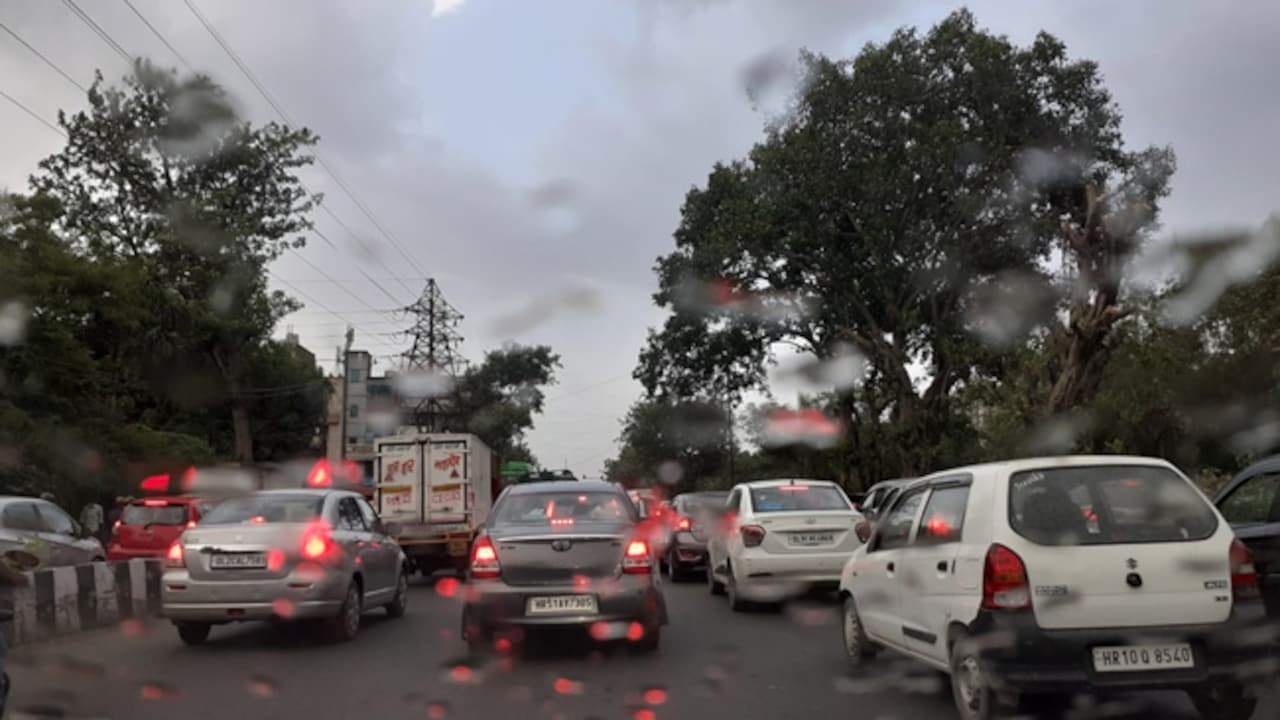
According to the India Meteorological Department (IMD), widespread monsoon activity has reduced the nation's cumulative rainfall deficit to 11 per cent. The onset of August saw particularly intense rainfall, with the national capital recording its wettest first week since 2011. The downpour caused waterlogging and traffic disruptions, but also helped replenish reservoirs and boost soil moisture.
The revival eased worries about agricultural output. Data from the Ministry of Agriculture show that the deficit in Kharif crop sowing narrowed to 17.96 lakh hectares as of August 7, compared to a shortfall of 38.82 lakh hectares recorded on July 24. Major pulse crops, in particular, recovered significantly, with the sowing gap shrinking from 6.90 lakh hectares to 1.95 lakh hectares.
Yet the recovery is not uniform. While central and northwestern India have received substantial rainfall, East, Northeast, and parts of Southern Peninsular India continue to face deficits. The cumulative rainfall shortfall in East and Northeast India stands at 25.5 per cent below normal, the highest in the country. This is concerning because these regions support rain-fed agriculture, and crops like rice depend heavily on adequate early-season water.
The uneven rainfall has also affected specific crops. Rice sowing remains 15.90 lakh hectares below last year, while oilseeds have seen a widening gap, from 3.45 lakh hectares in late July to 5.19 lakh hectares by August 7. Experts hope that upcoming low-pressure systems over the Bay of Bengal will bring rains to central, western, and eastern regions, helping bridge these shortfalls.
Beyond immediate concerns, a long-range forecast from the World Meteorological Organisation (WMO) points to emerging risks. The WMO's Global Seasonal Climate Update warns of drier-than-normal conditions during August to October, potentially linked to a developing El Nino. Such a pattern could reduce monsoon rainfall in the critical ripening phase of Kharif crops, impacting yields.
India has dealt with El Nino-linked droughts in the past, but improved forecasting and reservoir management can mitigate some impacts. Agricultural experts stress the need for contingency planning, including promoting drought-resistant crop varieties and efficient water use. The government has also expanded coverage of crop insurance schemes to help farmers weather potential losses.
The current monsoon season remains a story of contrasts: recovery in some regions, persistent deficits in others, and an uncertain outlook ahead. As the IMD monitors evolving weather systems, the focus will be on ensuring that the progress made so far is not undone by the climatic challenges that lie ahead.